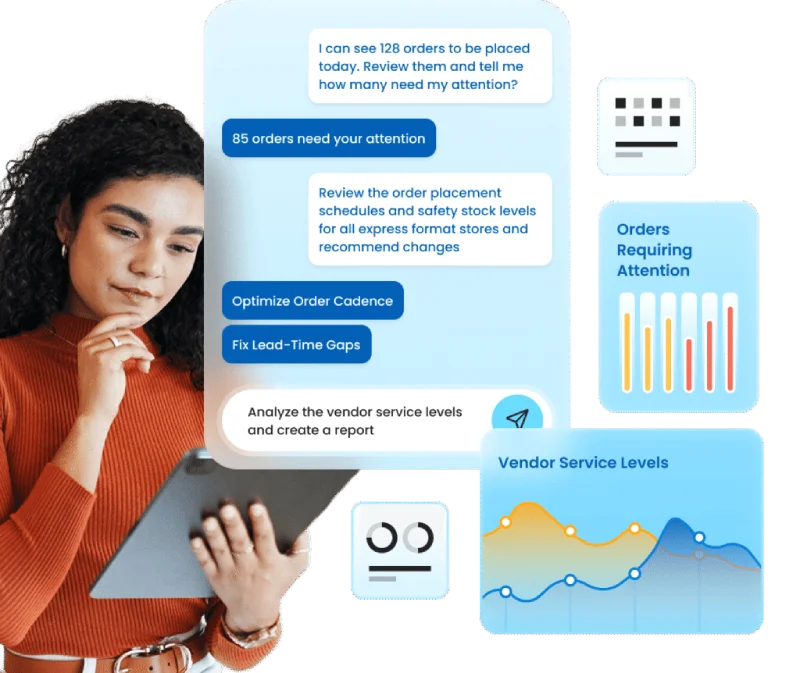
High-volume retail, which is in the range of thousands of products in many different locations. They are also under constant pressure from variable demand and seasonal changes. Also, they have an issue with fast-moving inventory, which adds to the overall operational stress. Manual tracking is not enough for this scale. We see that stock imbalances are a result of delayed decision-making. With the use of automation in replenishment, we see a structured approach to this complex issue. What we get is consistency in inventory control and also faster and more accurate restock decisions.
Accurate inventory levels improve customer satisfaction and revenue stability. We see empty shelves, which in turn reduce trust and delay purchase decisions. High inventory of products increases holding costs and ties up working capital. With automatic inventory refill, we see to it that we mitigate risks via timely restock. It also brings stock levels in line with what is really demanded. We see also improved communication between stores and distribution centers. Consistent restocking improves operational discipline across locations.
Understanding Automated Replenishment in Retail
Automated inventory control is a rule-based approach to runout prevention. It takes over from manual stock checks. We see in automatic inventory replenishment systems that they continuously look at sales info. They identify trends in demand by product category. Also, they pay attention to predetermined stock levels for each item. As inventory goes below what is set by us, they trigger the order process.
These systems link stores, warehouses, and suppliers in a shared data network. They provide full visibility into the end-to-end supply chain. Auto replenishment in these systems is based on real demand, which in turn reduces the need for manual approvals and reactive decisions. The system maintains a balance between what is supplied and what is demanded. Also, it supports stable performance even during demand spikes.
Core Strategies Supporting Automated Replenishment
Retail leaders require structured replenishment systems to protect margins and service levels. Inventory decisions directly affect cash flow and brand reliability. Strong frameworks make automated replenishment financially and operationally sustainable.
Real-Time Sales Visibility
Real-time sales info is the base of what we have in automatic restocking. We have systems that record each transaction at the point of sale. They in turn update the inventory as soon as the action happens, which is in real time across all channels. This, in turn, gives us immediate visibility into what is happening, which, in turn, we use to make better reorder decisions. Also, we are able to very quickly identify atypical demand trends.
High-volume retailers use this info to keep accuracy. Real-time insights, which in turn reduce manual stock audits. They also lower the risk of unexpected stockouts. Managers see that the system does a good job at what it does. Sales trends we see are of what the customers are really doing. The system responds as it goes without waiting for weekly reports. This response in turn improves automatic inventory restocking at all locations.
Demand Forecast Alignment
Demand forecasting is a tool for making structured restocking decisions. Retailers look at past data as well as seasonal trends. They also include promotional schedules in their projections. Accurate forecasts, which in turn guide what to reorder and when.
Forecasting is what we do to keep automated restocking steady through peak seasons. We use it to prepare stores for predictable large demands. Also, it is what grows out during slow times. Consistent forecasts, which in turn reduce inventory fluctuation. Also, it supports long-term planning across depts. Automatic inventory restock systems are what we use to change thresholds based on these forecasts, which in turn improves order accuracy.
Smart Safety Stock Controls
Safety stock protects operations from supply disruptions. However, excess buffers increase carrying costs. Retailers use calculated safety stock levels within automated replenishment systems. These levels reflect product variability and lead times.
Automated calculations adjust safety stock as demand changes. They consider supplier reliability and transit durations. This method prevents excessive inventory accumulation. It also reduces emergency reorders. Automatic inventory replenishment ensures that safety stock supports stability without waste. The balance improves service levels and protects working capital.
Multi-Store Inventory Balancing
Large retailers operate across diverse geographic regions. Demand differs between urban and rural stores. Some locations sell faster than others. Automated replenishment addresses these variations through centralized monitoring.
Inventory balancing systems identify surplus and shortage patterns. They enable stock transfers between stores. This approach reduces unnecessary supplier orders. It keeps products within the network. Automatic inventory replenishment coordinates distribution center allocations carefully. It prioritizes stores based on performance data. Balanced distribution protects margins and reduces markdowns.
Supplier Coordination Systems
Supplier collaboration strengthens replenishment accuracy. Clear communication reduces delays and order errors. Automated replenishment connects directly with supplier systems through structured data exchange.
Orders generate automatically when thresholds trigger. Suppliers receive accurate quantity and delivery information. This process reduces manual intervention. It shortens procurement cycles. Automatic inventory replenishment improves transparency in purchase planning. Suppliers can prepare production schedules accordingly. Retailers benefit from stable lead times. Strong coordination supports consistent shelf availability.
Exception Monitoring and Refinement
No system operates without variation. Demand spikes and supply delays still occur. Retailers implement monitoring tools within automated replenishment frameworks. These tools flag unusual patterns immediately.
Managers review exceptions instead of routine transactions. This focus improves productivity. It reduces oversight fatigue. Automatic inventory replenishment systems generate performance reports regularly. They highlight accuracy gaps and fulfillment delays. Continuous review strengthens decision rules. Retailers refine thresholds and forecasts over time. This process improves long-term stability and profitability.
Conclusion
High-volume retail requires disciplined inventory management. Large assortments increase operational complexity. Structured automated replenishment systems reduce that complexity. They create order within fast-moving environments. They connect data, processes, and partners into a coordinated flow.
Successful implementation depends on accurate data collection. It requires strong integration between retail systems. It demands regular performance monitoring and review. Organizations that maintain these foundations strengthen their automated replenishment capabilities. As retail operations continue to expand, structured replenishment will remain central to operational consistency and financial control.