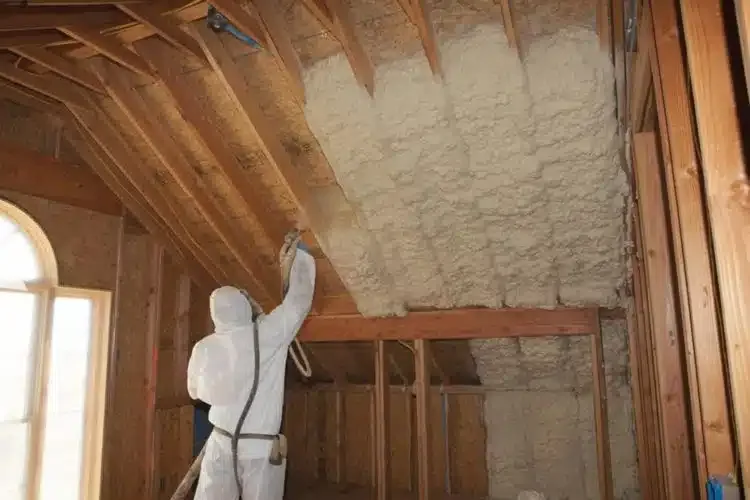
Attic insulation repair can save money when the existing insulation is mostly sound, and the problem is limited to small damaged areas, gaps, or reduced coverage. Full replacement can make more sense when insulation is wet, heavily damaged, contaminated, badly compressed, or no longer provides the needed coverage.
The right choice depends on the condition of the attic, the cause of the damage, moisture exposure, insulation type, access, and the property's energy goals. For Fresno homeowners, professional attic insulation services can help determine if attic insulation replacement is necessary or if targeted repairs are enough.
When Attic Insulation Repair Makes Sense
Small insulation problems do not always require removing everything. Repair can be practical when most of the attic insulation remains dry, clean, properly placed, and in usable condition.
A professional inspection should first identify why the insulation is performing poorly. Fixing the cause is as important as fixing the insulation itself.
Common Repair Situations
Attic insulation repair may be considered when:
- Small sections are compressed or displaced, while most insulation remains in good condition.
- Gaps exist around penetrations, framing, or other areas that reduce coverage.
- Limited sections have been disturbed during electrical, plumbing, or HVAC work.
- Air leakage is present, and targeted air sealing can address the affected areas.
- Additional insulation can be added without removing usable existing material.
The U.S. Department of Energy notes that attic insulation should not be installed over an active roof leak because moisture can reduce insulation performance. Roof problems should be addressed before insulation work begins.
When Full Replacement Is More Practical
Replacement becomes more relevant when the existing material has widespread damage or cannot reasonably be restored. Wet insulation, severe contamination, major compression, and extensive deterioration can make patching less useful.
A replacement project should also address the condition that caused the damage. Installing new insulation over an unresolved moisture problem can lead to the same issue again.
Signs Replacement May Be Needed
- Large areas of insulation are wet or visibly damaged.
- Insulation has been contaminated by a known moisture or pest problem.
- Much of the material is compressed and no longer provides the intended coverage.
- Existing insulation is uneven across large sections of the attic.
- Previous repairs have created multiple layers of inconsistent insulation.
- The attic needs a larger insulation upgrade as part of renovation work.
Repair vs. Replacement: Cost And Performance
The lower upfront cost is not always the same as the lower long-term cost. Repair may require less material and labor, but repeated repairs can become inefficient if the underlying insulation has widespread problems.
Replacement costs more initially, yet it may make sense when a large portion of the attic needs attention. The decision should consider the size of the affected area, removal requirements, access, moisture repairs, new insulation needs, and future maintenance.
FactorAttic Insulation RepairAttic Insulation ReplacementInitial workUsually smaller in scopeUsually larger in scopeBest forLocalized damage or gapsWidespread damage or poor conditionExisting insulationMuch of it can remain.Most or all affected material may be removed.LaborOften lower for limited areasUsually higher because of removal and installationLong-term valueUseful when existing material remains soundUseful when existing insulation cannot perform properlyMoisture problemsThe cause must be fixed firstThe cause must also be fixed before replacement
Actual insulation repair cost varies by attic size, material, damage, access, labor, and the work required before insulation can be installed.
Benefits Of Repairing Usable Insulation
Repair can be a practical approach when the existing material still has a useful service life. It avoids removing material that does not need to be replaced.
The work can also focus spending on the areas causing the biggest problems.
Potential Benefits
- Lower project scope: Only damaged or deficient areas may require work.
- Less material removal: Sound insulation can remain in place when appropriate.
- Targeted air sealing: Gaps and penetrations can receive focused attention.
- Faster work: Smaller projects may require less installation time than full removal and replacement.
The final result still depends on proper installation and the condition of the rest of the attic.
Problems That Can Make Repair A Poor Choice
Repair has limits. If insulation has widespread moisture damage or large areas have lost their intended coverage, adding small patches may not solve the larger problem.
A homeowner may also see high cooling costs, uneven room temperatures, or attic heat transfer even after a minor repair if other building-envelope issues remain.
For example, a Fresno home may have an attic with damaged insulation near one roof section but insufficient insulation across much of the remaining attic. Repairing one small area would not address the larger coverage problem.
The California Energy Commission's Central Valley attic research included homes in Fresno and Clovis and monitored attic moisture, temperature, condensation, and HVAC performance for more than a year. The study found moisture concerns in the test homes, showing why attic work needs to consider moisture as well as thermal performance.
How Fresno Weather Affects Attic Insulation
Fresno's hot summers place significant cooling demands on homes. Poor attic coverage, air leakage, and damaged insulation can allow more heat to move toward living spaces.
Local climate conditions also make the attic assembly important. California uses 16 climate zones for energy code requirements, and insulation and building-envelope requirements can vary by climate zone.
The 2025 California Energy Code applies to building permit applications submitted on or after January 1, 2026. Current compliance materials include requirements and verification documents for insulation installation and building air leakage.
For existing homes, insulation work should be planned around the actual attic assembly and applicable requirements rather than relying on a general insulation thickness.
Understanding R-Value Before Repair Or Replacement
R-value measures resistance to heat flow. A higher R-value generally means greater resistance to conductive heat transfer, but it does not describe every part of attic performance.
Air leakage, thermal bridging, moisture, installation quality, and the complete building assembly also affect results.
For that reason, a homeowner considering attic insulation services should look beyond the material's advertised R-value. The existing attic condition and the way the insulation will be installed are also important.
What Should Be Checked?
A professional assessment can review:
- Existing insulation depth and condition.
- Areas with missing or compressed material.
- Signs of moisture or roof leakage.
- Air leakage around penetrations.
- Available attic space.
- HVAC and duct locations.
- Ventilation and roof assembly conditions.
- Applicable California requirements.
Why Choose Supreme Spray Foam Fresno
Supreme Spray Foam Fresno serves residential and commercial properties and focuses on insulation work based on the condition of the building. The company information supplied for this article identifies Supreme Spray Foam Fresno, its phone number, and its business email.
The company can assess an attic before deciding between targeted repair and a larger insulation project. This approach helps identify the actual source of poor insulation performance instead of assuming that every attic needs complete removal.
For homeowners considering damaged attic insulation, an inspection can help determine the scope of work, possible moisture concerns, and the most suitable next step.
Conclusion
Attic insulation repair can be a sensible option when damage is limited and most existing insulation remains usable. Full replacement can be more appropriate when insulation is wet, heavily damaged, contaminated, compressed across large areas, or unable to provide adequate coverage.
The long-term cost depends on more than the amount paid for insulation. Moisture repairs, air sealing, material condition, attic access, installation quality, and the property's energy needs all affect the decision.
For Fresno homeowners, a professional attic assessment can clarify if targeted repairs are enough or if a larger replacement project is justified.
Schedule An Attic Insulation Assessment
Homeowners dealing with attic insulation replacement, rising energy use, uneven indoor temperatures, or damaged attic insulation can contact Supreme Spray Foam Fresno for an assessment.
Phone: (559) 545-0800
Email: [email protected]
The assessment can help determine the condition of the existing insulation and the work needed to improve attic performance.
Frequently Asked Questions
Is It Better To Repair Or Replace Attic Insulation?
Repair can make sense when damage is limited, and most insulation remains usable. Replacement may be needed when moisture, contamination, compression, or widespread deterioration affects a large part of the attic.
How Much Does Attic Insulation Repair Cost?
The insulation repair cost depends on the damaged area, insulation type, attic access, labor, moisture repairs, and the amount of material required. An inspection is needed for a project-specific estimate.
Can Wet Attic Insulation Be Repaired?
Wet insulation should not simply be covered with new material. The source of moisture should be identified and corrected first. Depending on the material and extent of damage, affected insulation may need to be removed.
When Should Attic Insulation Be Replaced?
Replacement may be appropriate when insulation has widespread damage, serious contamination, extensive compression, or inadequate coverage that cannot be addressed effectively through smaller repairs.
Does New Attic Insulation Improve Energy Efficiency?
Proper insulation can reduce heat transfer, but overall attic energy efficiency also depends on air leakage, ducts, ventilation, windows, HVAC performance, and other parts of the building envelope.
Is an Insulation Upgrade Worth It?
An insulation upgrade may be worth considering when existing insulation is inadequate or damaged. The value depends on the property's condition, project cost, energy needs, and the expected improvement from the work.
Author And Reviewer
Author: Marcus Bennett is the owner of Supreme Spray Foam-Fresno and has more than 10 years of experience in spray foam insulation. His work focuses on residential and commercial insulation solutions, technical installation requirements, workmanship, and customer needs.
Reviewer: Emma Robinson has 8 years of experience in the spray foam industry. Her review contributed practical industry knowledge related to insulation selection, installation considerations, and homeowner concerns.