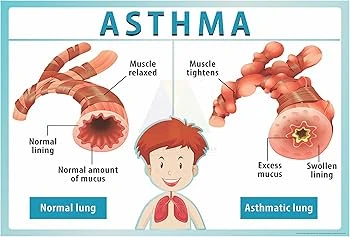
In the ancient city of Varanasi, where the sacred Ganges flows eternally and the air carries whispers of devotion, finding an asthma doctor in Varanasi like Dr. J.K. Samaria can mean the difference between struggling for breath amid the morning aartis and fully embracing the spiritual rhythm of life. As a renowned pulmonologist and Professor & Head of the Department of Chest Diseases at IMS BHU, Dr. Samaria has dedicated over three decades to unraveling the mysteries of respiratory ailments, particularly asthma, which affects millions in this pollution-choked yet spiritually vibrant metropolis. His clinic, the Samaria Multi-Speciality & Chest Centre in Durgakund, isn't just a medical outpost; it's a beacon of hope for patients who once feared that their condition would sideline them from the city's soul-stirring ghats and bustling lanes.
Varanasi's unique blend of holiness and haze makes it a paradoxical paradise for asthmatics. The city's air, laced with incense from countless temples and dust from thronging pilgrims, can trigger flare-ups that feel like the very weight of karma pressing on one's chest. Yet, it's here that Dr. Samaria, with his gentle demeanor and sharp intellect, has built a practice that feels less like a hospital and more like a sanctuary. Born and raised in the heart of Uttar Pradesh, Dr. Samaria's journey into pulmonology began during his medical training at Banaras Hindu University, where he witnessed firsthand how respiratory diseases disproportionately burden the underprivileged communities along the riverbanks. "Asthma isn't just a medical condition," he often says, "it's a thief that steals moments from life's grand tapestry." This philosophy drives his approach, blending cutting-edge diagnostics with empathetic listening, ensuring that every patient leaves with not just a prescription, but a personalized roadmap to wellness.
Consider the story of Rajesh, a 45-year-old boatman whose days were once dictated by the ebb and flow of his wheezing breaths. For years, Rajesh rowed pilgrims across the Ganges at dawn, but seasonal pollen and vehicle exhaust turned each outing into a gamble with his inhaler. "I'd cough through the chants, missing the peace I was ferrying others toward," he recalls. It was a chance encounter at a local health camp organized by IMS BHU that led him to Dr. Samaria. In their first consultation, Dr. Samaria didn't rush to steroids or nebulizers; instead, he delved into Rajesh's life—his diet of street-side chaat, his exposure to boat fumes, and even his stress from fluctuating tourist seasons. Using advanced spirometry tests at the clinic, he pinpointed allergic triggers exacerbated by Varanasi's microclimate. The treatment plan? A tailored regimen of low-dose inhaled corticosteroids, coupled with montelukast for inflammation control, and uniquely an introduction to pranayama breathing exercises adapted from ancient yogic texts, performed riverside to harness the Ganges' calming aura.
Rajesh's transformation was nothing short of miraculous. Within three months, his peak expiratory flow rates improved by 40%, allowing him to row without pauses. But Dr. Samaria's impact extended beyond the physical; he connected Rajesh with a support group of fellow asthmatics at the clinic, where they shared stories over herbal teas, fostering a community that combated the isolation often accompanying chronic illness. This holistic touch is a hallmark of Dr. Samaria's practice. As Treasurer of the SAARC Association of Chest Physicians, he's not confined to Varanasi's shores; his influence ripples across South Asia, advocating for accessible asthma education in regions where myths about "weak lungs" still prevail.
Delving deeper into Dr. Samaria's world, one can't ignore the innovative strides he's made in pediatric asthma a silent epidemic in Varanasi's crowded mohallas. Children like little Anjali, a 7-year-old whose school days were marred by playground-induced attacks, found solace in his care. Anjali's mother, a weaver in the silk saree markets of Thateri Bazar, had exhausted home remedies from neighborhood vaids before turning to modern medicine. Dr. Samaria's clinic, equipped with child-friendly nebulization chambers adorned with Ganesha murals to ease anxiety, became Anjali's second home. He prescribed a stepwise approach per GINA (Global Initiative for Asthma) guidelines: starting with short-acting beta-agonists for relief, escalating to daily controllers only as needed, all while educating the family on trigger avoidance like steering clear of Diwali smoke or monsoon mold.
What sets Dr. Samaria apart is his integration of local culture into therapy. Varanasi's festivals, from Dev Deepawali's floating lamps to the chaos of Holi, are joy incarnate but asthma nightmares. He hosts annual workshops at the clinic, teaching families how to "asthma-proof" celebrations: using HEPA filters during rangoli sessions or opting for e-aratis to reduce incense exposure. Anjali, now a sprightly Class 3 student, credits her "magic breaths" – Dr. Samaria's fun twist on pursed-lip breathing – for letting her dance through Garba nights without a hitch. Her peak flow diary, a tool Dr. Samaria insists on, charts not just numbers but doodles of happy ghats, turning monitoring into a child's adventure.
But Dr. Samaria's reach isn't limited to direct care; he's a mentor shaping the next generation of healers. At IMS BHU, his department buzzes with residents shadowing him on ward rounds, learning to differentiate eosinophilic from neutrophilic asthma through bronchoalveolar lavage insights. One such trainee, Dr. Priya Singh, shares how a late-night case of status asthmaticus under his guidance taught her the artistry of balancing ventilation support with minimal sedation. "He's not just teaching medicine," she says, "he's instilling compassion." This mentorship extends to community outreach, where mobile spirometry units traverse Varanasi's bylanes, screening sadhus and students alike. In 2024 alone, these camps diagnosed over 500 undiagnosed cases, many funneled into Dr. Samaria's clinic for follow-up.
Asthma in Varanasi isn't monolithic; it's shaped by socio-economic strata. For the affluent in Assi Ghat cafes, it's about biofeedback apps tracking pollen counts; for laborers in Lahartara slums, it's combating biomass fuel smoke from chulhas. Dr. Samaria navigates this divide with subsidized consultations at the Samaria Centre, where no patient is turned away for want of funds. Take Vikram, a rickshaw puller whose nocturnal symptoms mimicked heart disease until Dr. Samaria's ECG-asthma differential saved him from unnecessary angiography. Treated with theophylline spacers and lifestyle tweaks like switching to LPG stoves via government schemes Vikram now pedals with vigor, funding his daughter's education.
The clinic itself is a testament to Dr. Samaria's vision: a modern oasis amid Varanasi's antiquity. State-of-the-art PFT labs hum beside meditation nooks, where patients practice Buteyko techniques to reduce hyperventilation. Allergy testing rooms, stocked with regional panels for dust mites and ganga pollen, ensure precision. And for severe cases, his collaboration with Agrim Hospitals brings interventional pulmonology like endobronchial biopsies to the fore, unmasking comorbidities like silent reflux aggravating asthma.
As Varanasi hurtles toward 2030, with urban sprawl intensifying air quality woes, Dr. Samaria's proactive stance shines. He's spearheading a BHU-led study on climate change's asthma imprint, correlating Ganges pollution spikes with ER visits. Preliminary findings, presented at the Indian Chest Society conclave, urge policy shifts toward green corridors along the river. Patients like Meera, a yoga instructor whose adult-onset asthma threatened her livelihood, embody this forward-thinking care. Post-bronchial thermoplasty a procedure Dr. Samaria pioneered locally Meera now leads "Asthma-Free Asanas" sessions at the clinic, blending Hatha with high-dose fluticasone for empowered breathing.
In weaving these narratives, it's clear Dr. Samaria isn't merely treating symptoms; he's restoring lives. From boatmen's oars to children's laughter, his interventions echo Varanasi's eternal cycle of renewal. For anyone gasping in the city's embrace, seeking an asthma doctor in Varanasi starts and ends with him a healer whose compassion flows as ceaselessly as the Ganges.