In today's fast-paced business environment, managing and tracking physical assets is more important than ever. An Asset Tracking System plays a crucial role in ensuring assets are accounted for, well-maintained, and efficiently utilized. Whether you’re a small business or a large enterprise, having a reliable system in place to monitor your assets can significantly impact your bottom line.
What is an Asset Tracking System?
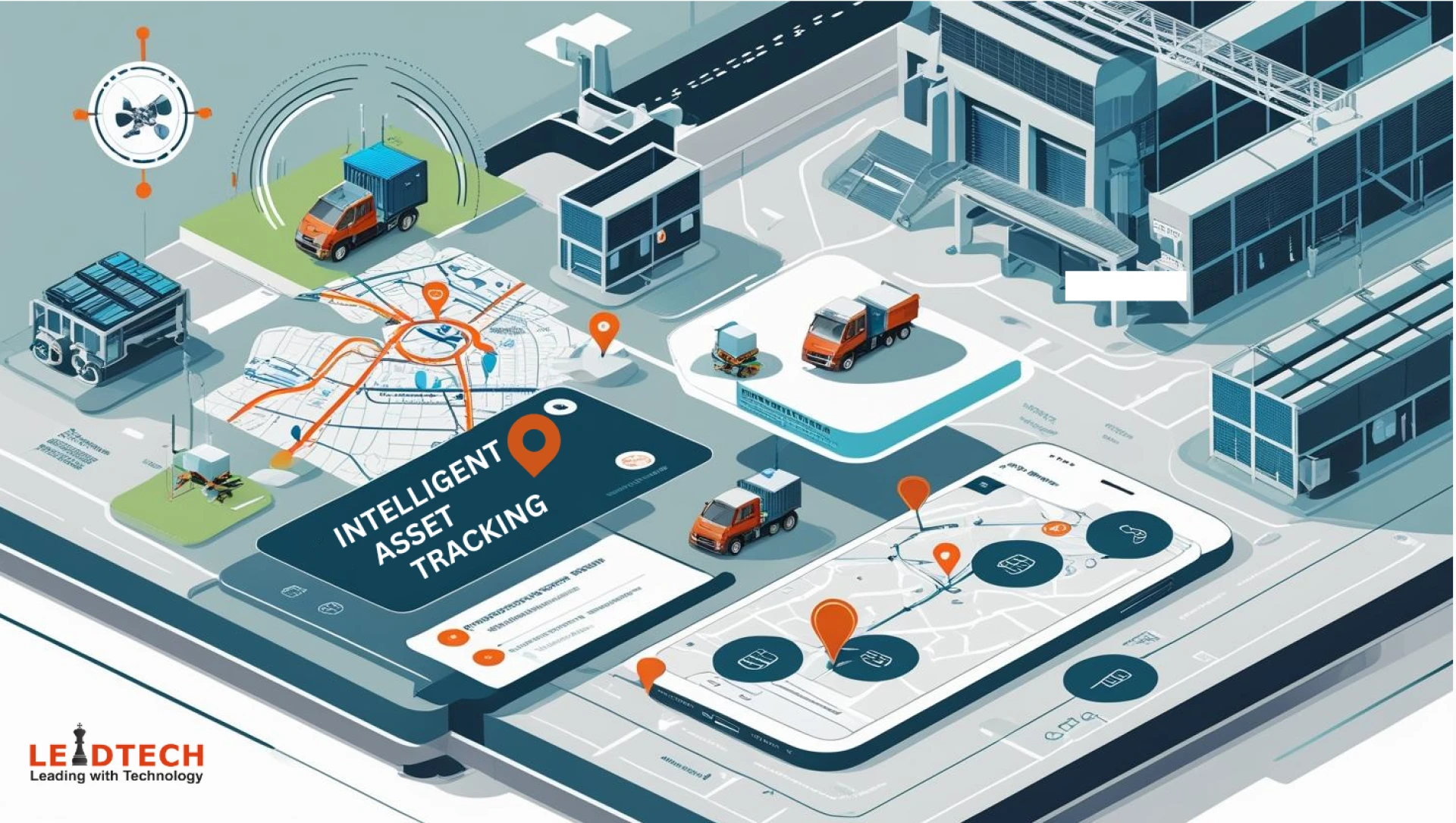
An Asset Tracking System is a digital solution that helps businesses monitor the location, status, and movement of physical assets in real time. This can include machinery, equipment, vehicles, tools, IT devices, and more. It commonly uses technologies such as barcodes, QR codes, GPS, and RFID to collect data automatically.
Key Benefits
1. Improved Asset Visibility
Know exactly where your assets are at all times. This minimizes loss and theft, and ensures critical equipment is where it’s needed.
2. Better Maintenance Management
Track the condition and service schedules of your assets. Preventive maintenance becomes easier, leading to less downtime and longer asset life.
3. Enhanced Productivity
Employees spend less time searching for tools and equipment, allowing them to focus on core tasks and increasing operational efficiency.
4. Cost Savings
By avoiding duplicate purchases and minimizing losses, businesses can save significantly over time.
5. Accurate Reporting and Compliance
An Asset Tracking System ensures you stay audit-ready with real-time data, making compliance with regulations smoother.
Who Should Use It?
From construction and healthcare to manufacturing and IT services, any industry that manages physical assets can benefit from implementing an Asset Tracking System.
Summary
Investing in an Asset Tracking System is not just a technological upgrade, it's a strategic move towards streamlined operations, better decision-making, and long-term cost efficiency. As assets continue to grow in number and value, tracking them efficiently becomes not just beneficial, but essential.