
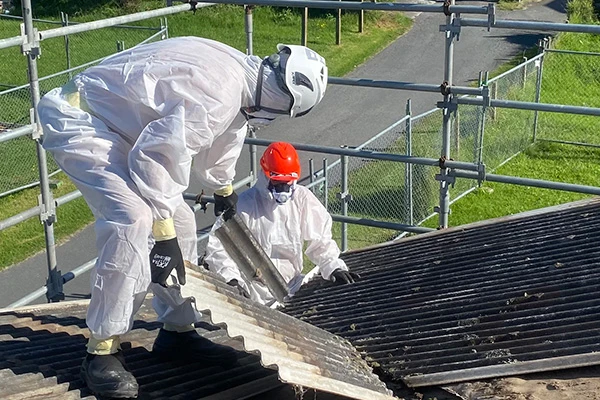
Asbestos removal is a critical process that protects people from the serious health risks linked to asbestos exposure. Once widely used in construction for its heat resistance and durability, asbestos is now recognized as a hazardous material. Its fibers, when disturbed and inhaled, can cause severe illnesses such as lung cancer, mesothelioma, and asbestosis. Because of these dangers, asbestos removal must be handled carefully and in compliance with strict safety regulations.
Understanding the Dangers of AsbestosFor decades, asbestos was used in insulation, roofing, floor tiles, and other building materials. The issue arises when these materials age, crack, or are disturbed during renovations. When asbestos fibers are released into the air, they become invisible health threats. Prolonged exposure has been linked to life-threatening respiratory diseases that may take decades to develop. This is why removing asbestos safely is essential for both homeowners and workers.
The Asbestos Removal ProcessProfessional asbestos removal begins with an inspection and risk assessment. Licensed specialists test materials suspected of containing asbestos to determine the best course of action. If asbestos is found, a detailed plan is developed to safely remove or contain it.
The removal process involves sealing off affected areas, wearing protective clothing and respirators, and using specialized equipment to prevent fiber release. Once the material is carefully removed, it is sealed in approved containers and disposed of at designated facilities. Afterward, the site is cleaned and air-tested to ensure it is safe for reoccupation.
Legal Requirements and ComplianceAsbestos removal is highly regulated across many countries. Laws require that only licensed professionals handle asbestos-containing materials. Property owners are responsible for ensuring compliance with regulations, and failure to do so can lead to fines, legal action, and serious health risks. Hiring certified contractors not only ensures safety but also provides peace of mind that the job has been done correctly.
Why Professional Removal is EssentialAttempting asbestos removal without proper training or equipment is extremely dangerous. DIY efforts can release hazardous fibers into the air, increasing exposure risks for occupants and neighbors. Professional removal teams have the expertise, tools, and safety protocols needed to handle asbestos safely. By relying on experts, homeowners and businesses can protect their health and ensure compliance with environmental regulations.
ConclusionAsbestos removal is not just about getting rid of an outdated material—it is about safeguarding health and ensuring safe living and working environments. With the risks of exposure being so severe, professional removal is the only responsible option. Whether you are renovating an older property or ensuring workplace safety, asbestos removal should always be approached with caution, expertise, and compliance with the law.