Serves as a Artificial turf is durable and low-maintenance alternative for property owners who want a green yard without the constant demands of natural grass. When high-quality materials and modern installation techniques are used, these synthetic systems provide a safe environment for families and pets. Safety in the local climate depends on choosing products that manage heat effectively and allow for high-speed drainage during frequent rainstorms.
Properly manufactured synthetic grass is now free from lead and other heavy metals that were concerns in earlier decades. Modern installers prioritize non-toxic infills and antimicrobial coatings to maintain a clean surface. By understanding the specific material specifications and local climate impacts, residents can make informed decisions that protect their households and the environment.
Industry data shows that the demand for synthetic surfaces in residential areas is growing at a rate of nearly five percent every year. This popularity stems from the ability of these products to provide a consistent aesthetic while reducing the need for chemical fertilizers and gas-powered equipment. Establishing a safe outdoor area requires a balance between product quality and professional installation standards.
Material Safety and Chemical Composition
Modern synthetic grass consists of polyethylene or polypropylene fibers that are designed to be soft yet resilient under heavy foot traffic. These materials undergo rigorous testing to ensure they do not contain harmful levels of chemicals or irritants. Manufacturers now use food-grade plastics to create blades that are safe for direct skin contact during play or relaxation.
Property owners should verify that their chosen product meets current environmental standards for indoor and outdoor air quality. Some lower-quality products may release odors when exposed to high temperatures, but premium versions are engineered to be odorless and stable. Checking for third-party safety certifications is an effective way to confirm the quality of the materials used in a project.
Non Toxic Infill Options
The infill serves as the stabilizer for the grass blades and provides the cushioning necessary for a safe walking surface. Traditional rubber crumb has largely been replaced by more advanced materials like coated silica sand or organic cork. These newer options are non-toxic and do not track into the house as easily as older materials did in the past.
Installers often recommend infills that have been treated to resist the growth of bacteria and mold. This is particularly important for households with pets, as it helps manage odors and keeps the surface sanitary. High-quality infill also helps the synthetic fibers stand upright, which maintains the natural look of the lawn over many years of use.
Antimicrobial Additives
Some synthetic grass products come with antimicrobial technology built directly into the backing and the blades. This feature helps prevent the spread of germs and reduces the risk of infections if someone has a scrape or cut while playing. It provides an extra layer of protection for children who spend a lot of time on the ground during outdoor activities.
Bonus Tip Testing for Lead ContentBefore finalizing a purchase, property owners can request a manufacturer's safety data sheet to confirm the product is lead-free. While major brands have eliminated lead from their production lines, verifying the documentation provides peace of mind. A reputable provider will always have this information available for their clients to review before the installation begins.
Ensuring Long Term StabilityThe backing of the turf must be strong enough to hold the fibers in place while remaining flexible enough to handle soil movement. A high-quality backing prevents the grass from wrinkling or pulling apart, which could create tripping hazards. Professional Artificial turf installer ensure that the seams are bonded securely with non-toxic adhesives for maximum safety and durability.
Temperature Management in a Subtropical Climate
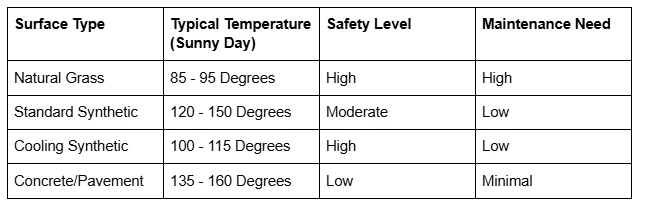
Baton Rouge summers are known for intense heat and high humidity, which can affect the surface temperature of synthetic materials. Standard artificial grass can become significantly warmer than natural turf when exposed to direct sunlight for long periods. However, cooling technologies such as specialized blade shapes and evaporative cooling infills help lower these temperatures.
Property owners can manage heat by choosing lighter colors or installing the turf in areas that receive afternoon shade. Regular maintenance, such as a quick rinse with a garden hose, can also provide immediate cooling for the surface before kids or pets go outside. Understanding these thermal properties ensures the outdoor space remains comfortable even during the hottest months of the year.
Drainage and Sanitation for Pet Owners
Effective drainage is a critical safety factor in Baton Rouge because the area receives over 60 inches of rainfall annually on average. A poorly drained system can lead to standing water, which becomes a breeding ground for mosquitoes and bacteria. Professional installers use a permeable base of crushed stone to ensure that water moves away from the surface at a rapid rate.
For pet owners, drainage is also essential for maintaining a sanitary environment and managing ammonia odors. Synthetic grass designed for pets usually features a fully porous backing that allows liquid waste to pass through immediately. This prevents the buildup of waste on the surface and makes the yard much easier to keep clean and safe for the entire family.
Managing High Rainfall Volumes
The base layer beneath the turf acts as a reservoir that holds water during heavy downpours before it slowly soaks into the ground. Installers calculate the necessary depth of this stone base to prevent runoff and localized flooding. A well-designed system can handle several inches of rain per hour without allowing the surface to become muddy or unstable.
Permeability Rates
High-quality synthetic grass can drain water at a rate of more than 30 inches per hour per square yard. This speed is much higher than what natural soil can typically handle, especially in areas with heavy clay content. Fast drainage ensures that the lawn is dry and ready for use shortly after a storm has passed through the region.
Bonus Tip Scheduled RinsingPet owners should rinse their synthetic lawns once a week with water to move any remaining liquid waste through the drainage system. This simple task helps keep the surface fresh and prevents the accumulation of dust or pollen. Using a pet-safe enzyme cleaner once a month can further sanitize the area and eliminate any lingering odors.
Things to Consider Before Making a Decision
- Evaluate the UV stability of the product to ensure it can withstand intense Louisiana sunlight without degrading.
- Check the fire rating of the materials to confirm they are flame-retardant and safe for residential use.
- Inquire about the installer's experience with the local soil conditions and drainage requirements.
- Review the warranty terms to see what is covered regarding fading, shedding, or drainage failure.
- Consider the height of the grass blades, as shorter piles are often easier to clean and stay cooler.
Common Questions About Synthetic Surfaces
Many people wonder if artificial turf is more abrasive than natural grass for children playing sports. Modern fibers are designed to be much smoother than older versions, which significantly reduces the risk of skin abrasions. Proper infill levels also provide a shock-absorbent layer that helps prevent injuries from falls during active play.
Another frequent concern involves the lifespan of the system and how safety changes over time. A well-maintained synthetic lawn can last for 15 to 20 years before it needs to be replaced. As long as the infill is replenished occasionally and the fibers are brushed, the safety features of the lawn will remain effective throughout its life.
Understanding Local Safety Concerns
Is artificial turf a fire hazard?
Synthetic grass is manufactured with flame-retardant materials that do not easily ignite. If exposed to a direct flame or a hot ember, the fibers will typically melt rather than catch fire. This self-extinguishing property makes it a safe option for use near homes and other residential structures.
How does the turf affect local allergies?
One of the primary safety benefits of synthetic grass is the significant reduction in pollen and other allergens. Because it does not produce seeds or harbor weeds, many people find their allergy symptoms improve after switching from natural grass. It also removes the need for pesticides and fertilizers that can trigger sensitivities.
Can pets dig through the synthetic backing?
High-quality turf systems feature a multi-layer backing that is extremely difficult for even the most determined pets to dig through. This durability prevents holes and uneven surfaces that could lead to trips or falls. It also stops pets from getting mud on their paws and bringing it into the living space.
Does the surface get slippery when wet?
The textured nature of synthetic fibers and the presence of infill provide good traction even when the surface is damp. Because the water drains through the backing rather than sitting on top, the risk of slipping is much lower than on hard surfaces like wet concrete. This makes it a safer choice for areas around swimming pools or splash pads.
Closing Thoughts on Synthetic Turf Safety
Choosing artificial turf is a practical way to maintain a beautiful yard while ensuring a safe environment for everyone in the household. By selecting lead-free materials, utilizing cooling technologies, and ensuring professional drainage, property owners can enjoy the benefits of a green lawn year-round. These systems solve many of the common problems associated with natural grass, such as mud, pests, and chemical use.
Individuals should prioritize quality and professional expertise when planning their installation to get the most safety value. A well-constructed synthetic lawn provides a stable, sanitary, and attractive surface that withstands the unique climate of Baton Rouge. Evaluating these safety factors early in the process leads to a more successful and long-lasting outdoor improvement.
Professional Guidance for Your Installation
For those looking to transition to a more manageable outdoor space, consulting with an expert is the most effective way to ensure a safe result. Professional teams provide the technical knowledge needed to handle the complex drainage and heat management requirements of the local area. All Seasons Landscaping & Lawn Care offers high-quality synthetic grass solutions that focus on safety and long-term durability for residential properties. Their staff can help select the right materials and infills to match the specific needs of any family or pet owner. To learn more about their services or to request a consultation, they can be reached at (225) 276-8658. Contacting their experts is a reliable first step toward a beautiful and secure outdoor environment.
Reviewer: Sophie Williams looked over this post and brought 7 years of field experience to her suggestions, helping ensure the content stays relevant to business owners and practical for everyday use.