When we talk about breast surgeries—whether for medical, cosmetic, or gender-affirming reasons—the focus often centers on the procedure itself. But for many people, the journey doesn’t feel complete until one final detail is restored: the areola. That’s where areola restoration comes in, offering not just a cosmetic finish, but a deeply emotional sense of closure, healing, and empowerment.
Areola restoration is more than just a medical tattoo. It’s a powerful blend of art, compassion, and confidence. For breast cancer survivors, individuals undergoing gender-affirming surgeries, or anyone who has experienced trauma or surgical scarring, this procedure can restore not just physical appearance—but a sense of wholeness.
Let’s dive into what areola restoration is, who it’s for, and why it’s such an important part of many people’s personal journeys.
What Is Areola Restoration?
Areola restoration is a specialized form of medical tattooing designed to recreate the natural appearance of the areola and nipple using pigments and advanced shading techniques. It is most often used after mastectomy, breast reconstruction, or gender-affirming top surgery to give the chest a more complete, natural, and symmetrical appearance.
In some cases, the procedure enhances or recolors a naturally existing areola (which may have been faded, scarred, or misshapen due to surgery). In others, especially after mastectomies, the areola and nipple are fully reconstructed using only tattoo pigments—often with stunningly realistic 3D effects.
Who Benefits from Areola Restoration?
Areola restoration is incredibly impactful for a wide range of individuals:
- Breast cancer survivors who’ve undergone mastectomy and breast reconstruction
- Transgender individuals after top surgery or chest masculinization
- People with scars or disfigurement from breast surgery, trauma, or burns
- Anyone with naturally faded, uneven, or asymmetrical areolas
- Patients with congenital conditions that affect nipple/areola formation
This procedure isn't just about appearance. It's about reclaiming one's body after a long road of physical and emotional recovery.
The Emotional Power of Restoration
To many people, the areola may seem like a small detail. But to someone who has lost it during surgery or trauma, it can represent something far greater. For breast cancer survivors, having their areolas restored is often the moment they feel "whole" again—when the scars of battle begin to fade, and a new chapter of life can truly begin.
Transgender clients often describe areola restoration as the final step in affirming their true selves. It helps align their external body with how they feel inside and boosts confidence when looking in the mirror or stepping into intimate situations.
One of the most moving aspects of areola restoration is its emotional impact. Clients often describe the moment they see their new areolas as emotional, affirming, and even healing.
What Does the Procedure Involve?
Here’s what you can expect during an areola restoration procedure:
1. Consultation
It all begins with a conversation. A certified medical tattoo artist or paramedical professional will meet with you to understand your story, goals, and desired look. You’ll discuss color options, placement, size, and shading styles.
2. Color Matching & Design
Every areola restoration is customized to match your skin tone, the natural appearance of the other breast (if applicable), and your personal preference. Some artists use digital tools to help create symmetry and realism.
3. Tattooing the Areola
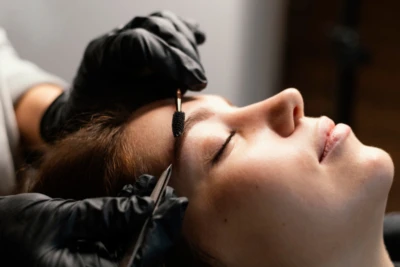
Using a specialized tattoo machine and medical-grade pigments, the artist carefully implants pigment into the skin. Advanced shading techniques can create a 3D effect, giving the illusion of texture even when the nipple has not been surgically reconstructed.
The process typically takes about 1 to 2 hours per session, and most people require 1 to 2 sessions for optimal results.
4. Healing Process
After the procedure, you may experience some mild swelling or redness, similar to a minor tattoo or sunburn. Healing generally takes about 7 to 14 days, and full pigment settling can take a few weeks. A touch-up session may be scheduled to perfect the results.
Realism Through Art
One of the most impressive aspects of modern areola restoration is the artistry involved. Skilled technicians use light and shadow to create the illusion of depth, contour, and even a protruding nipple when none is physically present.
High-quality work is so realistic that even in close-up photographs, it can be hard to tell the difference between a natural areola and one that’s been tattooed. It’s this level of detail that makes the procedure both artistic and medical—a combination that requires experience, empathy, and expertise.
Is It Safe?
Yes—when performed by a trained and certified technician, areola restoration is a safe, low-risk procedure. Professionals follow strict hygiene and safety protocols, use sterile equipment, and apply high-quality pigments designed for medical and cosmetic use.
Before committing, make sure your artist:
- Has experience with medical or paramedical tattooing
- Offers a clean, licensed environment
- Can show you a portfolio of real, healed results
- Has positive client testimonials or reviews
Is Areola Restoration Covered by Insurance?
In some cases, yes. For individuals who’ve undergone mastectomy due to breast cancer, areola tattooing may be covered by insurance as part of breast reconstruction. It's worth contacting your insurance provider and surgeon to find out if this applies to your case.
Even when it's not covered, many artists and clinics offer payment plans or reduced rates for breast cancer survivors.
Final Thoughts
Areola restoration is about much more than aesthetics. It’s about healing, closure, and self-love. Whether you’ve been through a mastectomy, gender-affirming surgery, or simply want to correct or enhance the appearance of your areolas, this procedure offers a way to reconnect with your body in a deeply personal and powerful way.
The blend of medical precision and artistic mastery makes areola restoration one of the most transformative forms of cosmetic tattooing. And for the people who choose it, the results go far beyond the surface.
Because sometimes, it’s the smallest details that help us feel whole again.