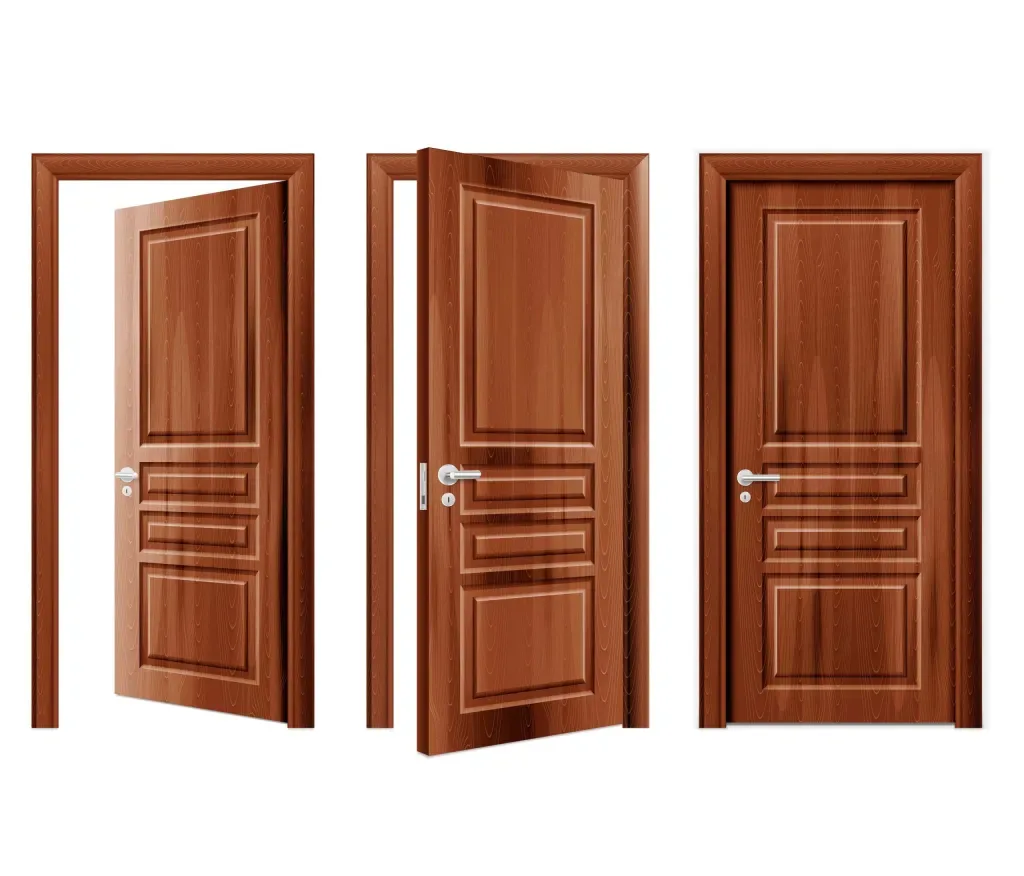
Choosing the right door for your home is not easy. There are so many materials to pick from. Wood, PVC, metal, and now WPC. If you have talked to a WPC doors manufacturer directly, you already know these doors are becoming popular.
Builders highly recommend them and interiors designers suggest them. But are they actually worth your money? Let’s break it down in simple terms, without any sales talk.
What Are WPC Doors?
WPC stands for Wood Plastic Composite. These doors are made by mixing wood fiber with plastic polymers. The result is a door that looks like wood but behaves very differently. It does not rot, swell, or warp the way natural wood does.
Manufacturing usually involves heat and pressure. This bonds the wood particles and plastic into a dense core. A finishing layer is then added for looks. The final product feels solid, almost like real timber, but with added toughness.
The Pros of WPC Doors
There are real benefits to choosing WPC over traditional wood or plain PVC. Here are some of the pros of WPC doors:
- Moisture resistance: These doors hold up well in bathrooms, kitchens, and humid areas.
- Termite proof: No wood means no termite problems.
- Low maintenance: No polishing or repainting every year.
- Lightweight yet strong: Easier to install and handle than solid wood.
- Eco-friendly: Made using recycled wood waste and plastic, which reduces tree cutting.
- Good insulation: Keeps rooms slightly cooler and blocks some outside noise.
- Fire resistance: Many WPC doors handle heat better than plain wood, adding an extra layer of safety.
Because of these points, many homeowners now prefer them over regular doors, especially in coastal or humid regions. Even commercial spaces like hotels and offices are switching to WPC for their washrooms and back-of-house areas.
The Cons You Should Know
No product is perfect. Here are a few downsides to considerations about WPC doors:
- Not as strong as solid hardwood in extreme impact situations.
- Limited design options compared to natural wood grains.
- Slightly higher upfront cost than basic PVC doors.
- Quality can vary a lot depending on the manufacturer.
This last point matters most. A poorly made WPC door can crack or discolor over time. Cheap composites sometimes use low grade plastic, which turns brittle under strong sunlight. That is why picking a trusted supplier is so important. Ask for samples before placing a bulk order.
How Much Do WPC Doors Cost?
Prices depend on size, design, and finish. Generally, WPC doors cost more than plain PVC doors but less than solid teak or hardwood doors. Think of them as a middle-ground option. You get better durability than PVC at a fraction of the price of premium wood.
Installation costs are usually lower too. These doors are lighter, so labor charges often come down as well.
Price also depends on the width and height of the door frame, plus any custom carving or design work. Standard sizes cost less than custom orders. It helps to get a written quote before committing to a bulk purchase, especially for large projects like apartments or villas.
Long-Term Value: Is It Worth It?
That’s when WPC doors truly make their presence felt. In the next five to ten years, you get savings from:
- Costs of repainting and polishing
- Swelling and cracking-related repairs
- Pest removal expenses
- Early replacement costs
In most cases, the initially higher cost usually ends up evening itself out in reduced maintenance costs. This is why WPC doors work out well for bathrooms, kitchens, and places with humid climate.
The resale value of your home also plays a part here. Well-maintained homes with modern fittings tend to sell much more quickly.
Final Thoughts
So, are WPC doors worth it? For most homeowners, yes. They offer a smart balance of cost, durability, and low upkeep. They are not flawless, but their strengths outweigh the drawbacks for everyday use.
If you are planning to buy one, work with a manufacturer who understands quality control. JKD Plastics has built a reputation around this exact need, offering waterproof WPC doors that are built to last in tough Indian weather conditions.
Choosing a reliable brand makes all the difference between a door that lasts decades and one that needs replacing in a few years.