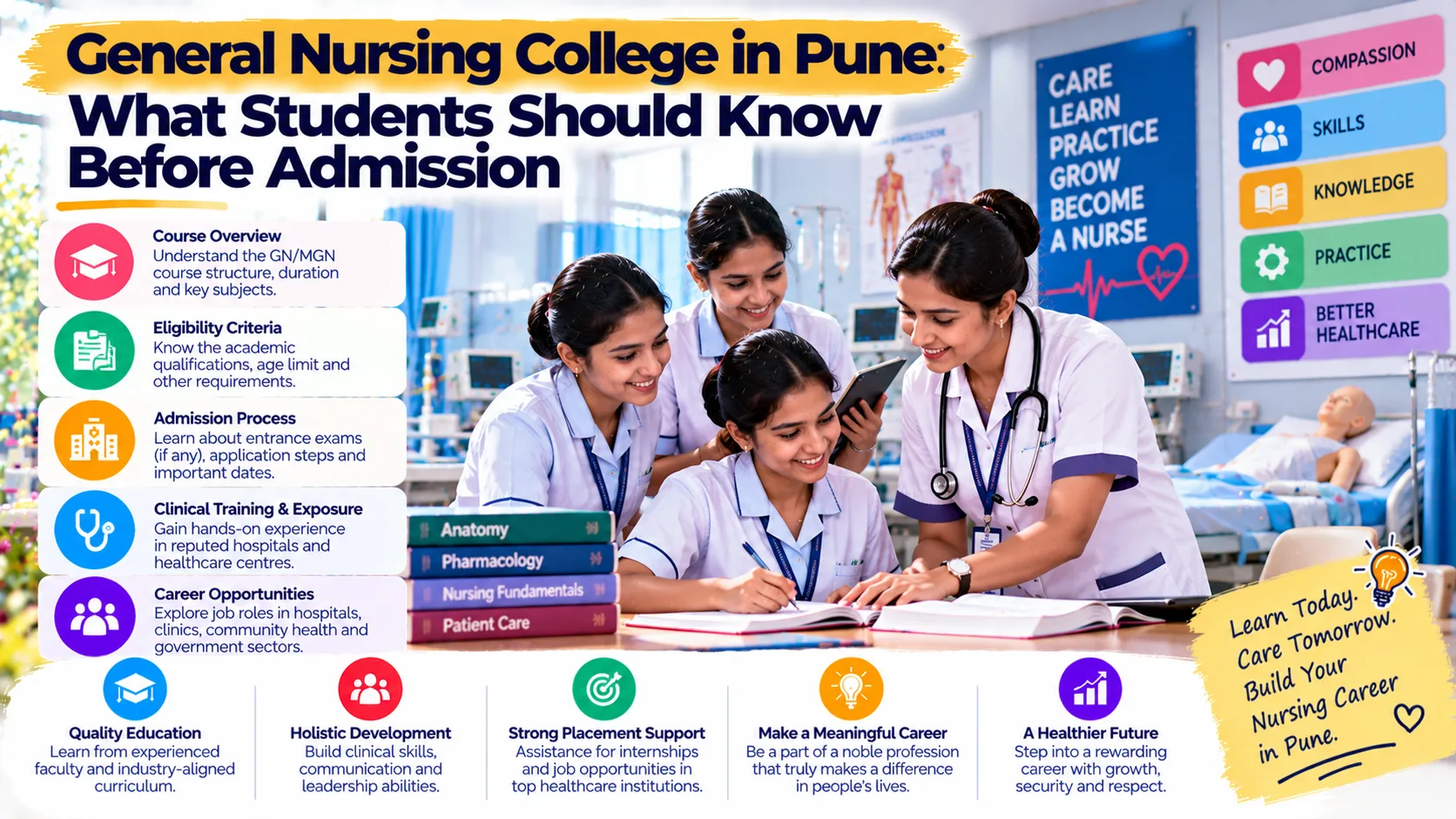

Nursing is one of those professions where theory alone isn’t enough. Sure, you can read all the textbooks, memorize every guideline, and pass your exams with flying colours, but when it comes to patient care, nothing compares to real-life experience. And that’s where clinical placements come in. But here’s the question many nursing students are grappling with: Are they getting enough of that essential clinical experience? Are the pressures of the system making it harder for students to get the hands-on learning they need?

As someone who works closely with nursing students and follows the pulse of nursing education, I can tell you this is a complex issue. Nursing placements are critical, but there’s a lot of pressure on the system. Between healthcare staffing shortages, increased patient demand, and the ever-growing needs of the NHS, it’s becoming more challenging for students to secure quality placements. So, let’s dive into the heart of the matter.
What Are Clinical Placements, and Why Are They So Important?
Clinical placements are the part of nursing education where students get to practice their skills in real healthcare settings, under the supervision of experienced professionals. It’s where they move from theoretical knowledge into actual patient care, learning how to make decisions, interact with patients, and respond to emergency situations.
Without enough hands-on experience, nursing students risk entering the workforce unprepared for the unpredictable nature of clinical practice. Imagine you’re trained in taking vitals but have never had to do it under pressure, or you understand the steps to administer medication but have never had to manage multiple patients at once. You may know what to do, but you won’t be as confident how to do it when it matters most.
The Increasing Pressures on Clinical Placements
The reality of the healthcare system today is that placements are under increasing pressure. With the NHS facing workforce shortages, student placements can become harder to come by. Hospitals and clinics may be stretched thin with existing staff, leaving little room for additional students. This means fewer opportunities for nursing students to get hands-on experience, and when they do get placements, they may find themselves doing fewer procedures or spending more time observing than actively engaging in care.
Take Sarah, for example, a third-year nursing student in Liverpool. She’s been struggling to get as much practical experience as she’d like during her placements. “I had one placement where I was in a busy ward, but because the staff were so overwhelmed, I didn’t get to do much hands-on work,” Sarah explains. “I spent a lot of time observing, but I didn’t feel like I was really part of the team.”
Sarah’s story is not uncommon. Many students report that they’re either not given enough responsibility or the chance to perform certain nursing tasks because the clinical staff is too busy to supervise. For many students, the frustration comes from knowing they’re not getting the hands-on experience that’s necessary for their development.
Are Students Getting Enough Varied Placements?
Another challenge nursing students face is a lack of variety in their placements. Ideally, a nursing student will get exposure to different departments: general medicine, surgery, mental health, community care, and so on. This variety helps them gain a broad understanding of nursing and patient care across different settings. However, many students are finding themselves stuck in a specific area for too long.
This lack of diversity in placements can be limiting, especially for those who want to explore specific areas of nursing. Let’s say you're interested in mental health nursing, but all of your placements have been in general practice. You may feel you’re not getting a true sense of what the field is really like, which could lead to uncertainty when it comes to choosing your specialty.
James, a nursing student from London, shared his concern with me: “I really want to go into pediatric nursing, but I’ve mostly been placed in adult care settings. I haven’t had the chance to work with children yet, and I feel like that’s holding me back from making an informed decision about my career path.”
Students like James are often stuck with limited choices when it comes to clinical placements. Without exposure to different specialities, they may struggle to develop a full range of nursing skills or find it hard to make a decision about their future career.
How Does This Impact Students?
The lack of adequate clinical placements doesn’t just impact students’ education—it can affect their mental and emotional well-being. When students feel like they’re not getting the necessary practical experience, it can lead to frustration, anxiety, and burnout. After all, the pressure to graduate, get a job, and make a difference in healthcare is enough on its own. But if you’re not getting the training you need to feel ready for the job, it can be overwhelming.
Additionally, some students worry about the long-term impact of limited placements on their employability. If they don’t get enough experience in certain areas, will they be able to compete with other graduates when applying for jobs? Or worse, will they be expected to take on responsibilities in areas they haven’t been properly trained for?
Let’s be real: entering a nursing career is a massive commitment, and students want to feel confident and prepared. They don’t want to enter their first job with the lingering fear that they missed out on crucial clinical experience.
What Are Universities Doing to Address These Issues?
To counter these challenges, many universities are working hard to make placements as beneficial and varied as possible. Some institutions are partnering with a range of healthcare providers to ensure students have access to diverse clinical settings, while others are increasing the use of simulation-based learning to supplement real-world experience.
Simulations, where students practice scenarios in a controlled environment, can help bridge the gap when placements are limited. This provides students with an opportunity to practice emergency situations, communication skills, and clinical tasks in a risk-free setting. While simulations can't replace real-life experience, they are a valuable addition to the educational process.
In addition, there’s a growing emphasis on mentorship programs. Pairing students with experienced mentors during clinical placements gives students the support they need to thrive and learn from real-time feedback. This guidance can help students feel more confident and gain insights that they might not have been able to experience otherwise.
However, even with these efforts, the demand for placements is still greater than the supply. Universities, healthcare providers, and policy-makers will need to continue working together to ensure that every nursing student has access to the clinical experience they need.
What Can Students Do?
For students feeling overwhelmed by the placement pressures, it’s important to remember that you're not alone. If you’re struggling to get the experience you need, don’t hesitate to reach out to your tutors, mentors, or placement coordinators. They may be able to offer additional support or help you access alternative learning opportunities. Additionally, if you’re feeling the academic pressure of the course itself, resources like nursing assignment help UK can assist you with managing your assignments and studies effectively, leaving more room for focusing on your clinical learning.
Conclusion
Nursing students in the UK face significant pressures when it comes to securing quality clinical placements. With limited spots available and a healthcare system stretched thin, the challenges are real. However, the importance of clinical experience cannot be overstated, and universities, healthcare providers, and students must continue to push for a system that ensures every nursing student gets the hands-on learning they need to succeed.
With collaboration, innovation, and a commitment to high-quality training, we can make sure that the next generation of nurses are well-prepared to meet the ever-evolving needs of healthcare.
Also Read: The Skills Gap: Are UK Schools Teaching What Employers Need?
Author Bio:
Zara is an academic writer based in London, passionate about supporting nursing students and advocating for better educational experiences. She actively participates in student welfare programs and loves offering practical advice for managing the challenges of nursing education. Outside of writing, Zara enjoys exploring London’s parks, volunteering, and working with local student communities.