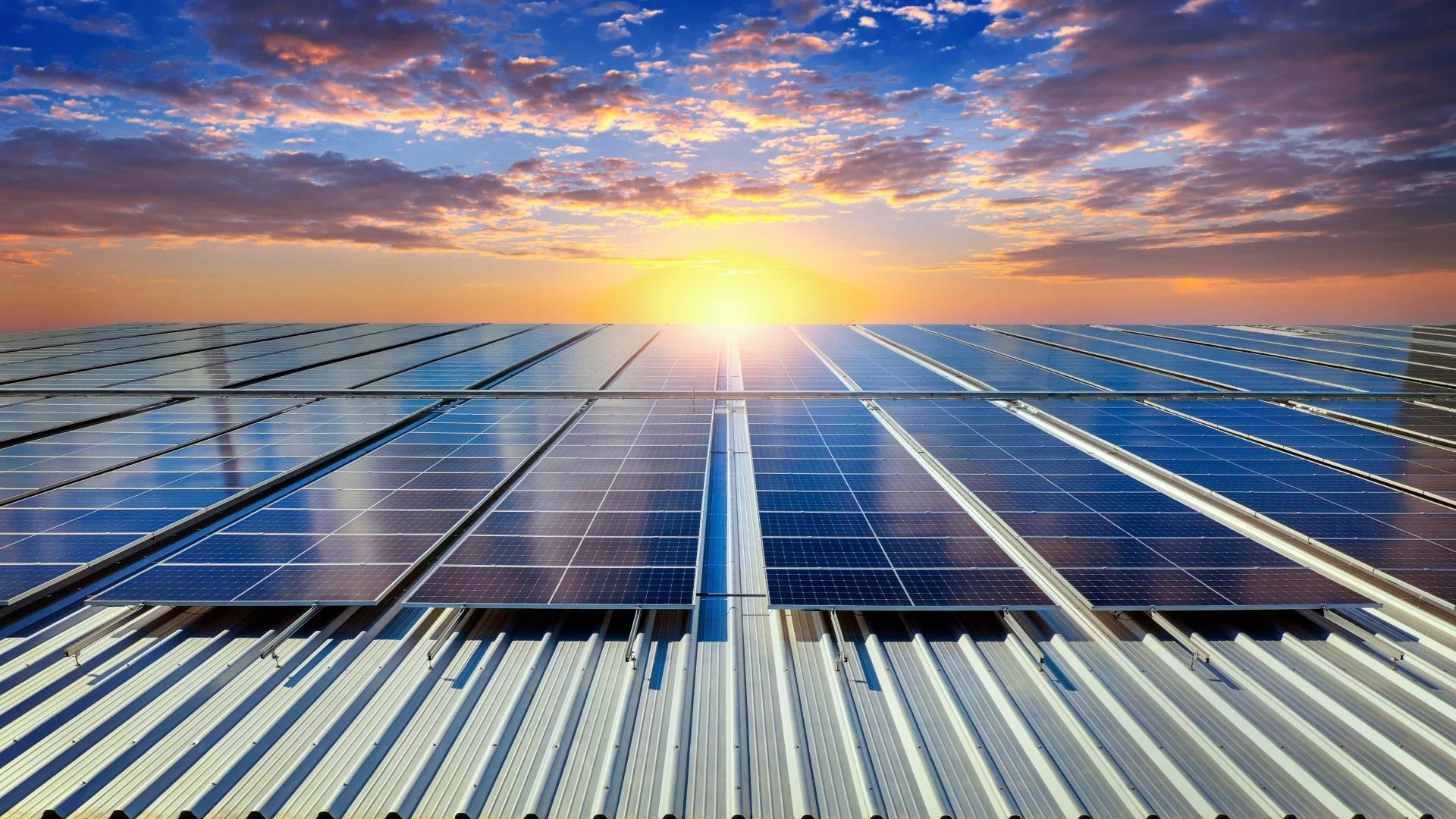
Solar energy is, by far, the most naturally obvious energy accepted worldwide as clean and renewable, regardless of all these misinterpretations on reliability, affordability, or environmental impact. Here are some common myths about solar panels to dispel.
Myth: It is Unreliable to Be Dependent on Solar Energy
The major misconception about solar energy is that it is highly dependent on sunlight making solar energy generation, not at all good in delivering power at night. This is partly true, but energy storage technology has taken its way, making solar energy the viable solution to a 24/7 power supply.
Modern battery systems such as lithium-ion and flow batteries are homes for this excess energy generated during the predictable hours of the day. Furthermore, grid-tied solar energy systems use the public electric power grid as an active 24/7 electricity supply for backup to remain operational without interruption.
Myth: Solar Energy System Does Not Live Long
This is another myth that solar panels have a short life span and, therefore not a wise investment in consistency. This further confirms that solar panels are expected to last between 25 and 30 years, with the effective use of most of these panels, with a warranty period. With regular maintenance and technology, the life span is expanding, making solar cost-effective and long-lasting energy.
Myth: Solar Panels Are Toxic
If solar panels are toxic, the claims are oftentimes based on wrong information related to their composition. Between now and then, silicon, glass, and aluminum are materials used to produce solar panels, and none is assumed to be toxic. A few older model panels were thought to have small amounts of elements such as cadmium and lead. Strict regulations ensure that the manufacturing standards are followed. More importantly, many projects are working toward developing solar technologies that are even more friendly to the environment.
Myth: Solar Is Unaffordable
Contributing to the drop in solar installation costs with technological improvements, the last decade has witnessed increased competition in the solar energy market. Governments and organizations are helping with incentives, rebates, and financing so that solar energy can be widely adopted. Hence, solar panel companies in India have cut one's electricity bills and have great potential for long-term savings.
Conclusion
The myths concerning solar panel companies are mostly grounded in misinterpretation or outdated knowledge. Solar is a reliable, sustainable, and environmentally friendly solution that grows evermore affordable and available. As technology advances, solar power will have an increasingly greater role in the energy transition. By dispelling these myths, we can facilitate wider use of solar power and contribute to a cleaner world.