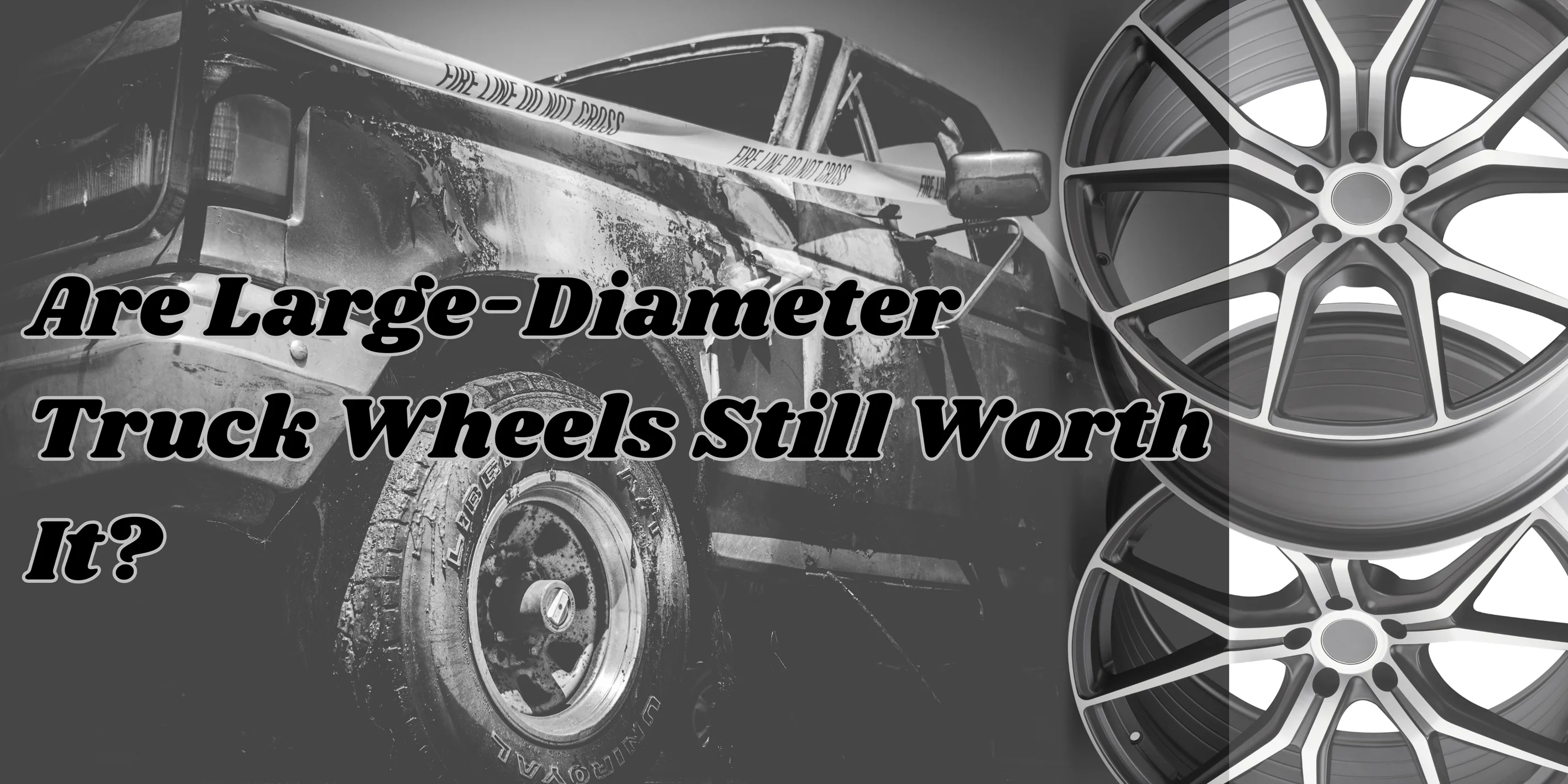
Large-diameter truck wheels have long been a popular upgrade for drivers seeking a bolder look and enhanced road presence. However, today's truck owners are placing greater emphasis on comfort, capability, and overall value. While bigger wheels still offer distinct advantages, they also come with trade-offs. Understanding both sides of the equation can help determine whether large-diameter wheels are still worth it for your truck.
Rise of Large-Diameter Wheels
Large-diameter wheels gained popularity as truck customization evolved beyond basic lift kits and appearance upgrades. As manufacturers began offering larger factory wheel options, aftermarket enthusiasts followed suit, pushing wheel diameters even further. What was once considered oversized gradually became mainstream.
The availability of larger truck wheels also expanded significantly. Manufacturers introduced a wide variety of styles, finishes, and fitments designed to accommodate lifted trucks and custom builds. Bigger wheels became associated with premium styling, helping you create a more personalized appearance while complementing modern truck designs.
Today, wheel sizes that were once considered extreme are relatively common. However, changing priorities among truck owners have led many to reevaluate whether bigger is always better.
Benefits of Large-Diameter Truck Wheels
One of the biggest reasons truck owners choose larger wheels is appearance. Larger wheels reduce the amount of visible tire sidewall and create a more substantial visual presence. For many enthusiasts, this cleaner and more modern look remains a primary selling point.
Large-diameter wheels can also improve handling characteristics on paved roads. Because they typically use lower-profile tires, there is less sidewall flex during cornering. This can result in more responsive steering and a firmer connection between the driver and the road. For trucks that spend most of their time on highways and city streets, these characteristics can contribute to a more confident driving experience.
The wheel market has also evolved, offering numerous design choices. You can choose from sleek, street-oriented styles or more aggressive designs, with choices available in numerous sizes. Popular aftermarket options, including those found in the Motiv Wheels lineup, demonstrate how wheel manufacturers continue to cater to truck owners who value both aesthetics and performance.
Drawbacks That Truck Owners Should Consider
While larger wheels offer several benefits, they also come with compromises that should not be overlooked.
Cost is often the first consideration. Larger wheels generally require larger tires, and replacement tires for oversized wheel packages can be significantly more expensive than those designed for smaller wheel diameters. Over time, these costs can add up, especially for truck owners who drive frequently or put substantial mileage on their vehicles.
Ride comfort is another common concern. Larger wheels often mean shorter tire sidewalls, which provide less cushioning between the truck and the road surface. As a result, bumps, potholes, and rough pavement may become more noticeable inside the cabin. Drivers accustomed to a smooth ride may find this trade-off less appealing than expected.
Wheel damage can also become a concern. With less sidewall available to absorb impacts, larger wheels may be more vulnerable to damage from road hazards. While modern wheel manufacturing has improved durability, the risk remains higher than in setups with taller tire sidewalls.
Weight is another factor. Depending on the wheel design and construction, larger wheels may increase unsprung weight. Additional weight can influence acceleration, braking performance, fuel economy, and suspension wear over time.
Are Bigger Wheels Better for Off-Road Driving?
The answer depends largely on the type of off-road driving involved. Many experienced off-road enthusiasts actually prefer smaller wheel diameters paired with larger tire sidewalls. The additional sidewall provides several advantages when navigating challenging terrain. It helps absorb impacts from rocks and obstacles while allowing the tire to flex more effectively over uneven surfaces.
A taller sidewall also improves performance when tires are aired down. Lower tire pressure increases the tire's contact patch and traction, making it easier to maintain control on sand, mud, and rocky trails. This is one reason many dedicated off-road builds continue to use moderate wheel diameters rather than the largest options available.
That does not mean large-diameter wheels have no place off-road. Trucks that encounter dirt roads, gravel surfaces, and mild trails can still perform well with larger wheels. Many owners simply prefer the appearance and are willing to accept some limitations in exchange for the look they want.
The key is understanding that wheel diameter alone does not determine off-road capability. Tire selection, suspension setup, ground clearance, and driving conditions often have a greater impact on overall performance.
Modern Truck Trends and Changing Priorities
Truck customization trends have shifted noticeably in recent years. While oversized wheel builds remain popular in certain segments, many truck owners are now seeking a balance between appearance, capability, and comfort.
This change reflects the way modern trucks are used. A single truck may serve as a daily commuter during the week, tow equipment on weekends, and occasionally venture off-road. Truck owners increasingly want upgrades that support multiple uses rather than excelling in only one area.
Advancements in wheel technology have also influenced purchasing decisions. Improved manufacturing processes allow modern wheels to offer better strength-to-weight ratios than many older designs. As a result, you can focus more on selecting the appropriate size for your needs rather than simply pursuing the largest option available.
Practicality has become a major consideration. Instead of asking how large they can go, many truck owners now ask what size provides the best balance of style, durability, ride quality, and performance.
When Large-Diameter Wheels Are Worth It
Large-diameter wheels can absolutely be worth it under the right circumstances. Those who primarily drive on paved roads often benefit the most from larger wheel packages. The improved steering response, modern appearance, and compatibility with performance-oriented setups align well with street-focused driving. Trucks built for shows, events, or custom styling projects may also warrant larger wheels, as appearance is a primary objective.
For towing and hauling applications, larger wheels can be beneficial when paired with appropriate tires and brake upgrades. However, the wheel size itself is not necessarily the deciding factor. The overall setup must support the truck's intended workload.
On the other hand, drivers who frequently encounter rough roads or demanding off-road conditions may find greater value in smaller wheel diameters and taller-sidewall tires. The improved ride quality, enhanced protection, and greater off-road flexibility often outweigh the styling benefits of larger wheels.
Budget-conscious truck owners should also carefully evaluate long-term costs. The visual appeal of larger wheels may be undeniable, but the expense of tire replacements and potential maintenance considerations should be part of the decision-making process.
Questions to Ask Before Upsizing
Before choosing a larger wheel package, it helps to consider a few practical questions.
How is the truck used most often? A daily-driven truck has different requirements than a dedicated show truck or weekend trail rig.
What road conditions does the truck encounter regularly? Drivers who face potholes, rough pavement, or unpaved roads may value additional tire sidewall more than sharper handling.
What is the long-term budget for maintenance and tire replacement? Initial purchase costs are only part of the overall investment.
Finally, are the expected benefits aligned with actual needs? If appearance is the primary goal, larger wheels may provide exactly the desired result. If comfort, versatility, or off-road capability is a higher priority, a more moderate wheel size may prove more practical.
So, Are Larger Wheels Worth It?
Large-diameter truck wheels remain a worthwhile option for many truck owners, especially those who prioritize appearance and on-road performance. However, they are not the best fit for every application. Factors such as ride comfort, off-road capability, long-term costs, and intended vehicle use all play important roles in the decision. Rather than chasing the biggest wheel possible, the smartest approach is to choose a size that strikes the right balance of style, performance, and practicality for your needs.