
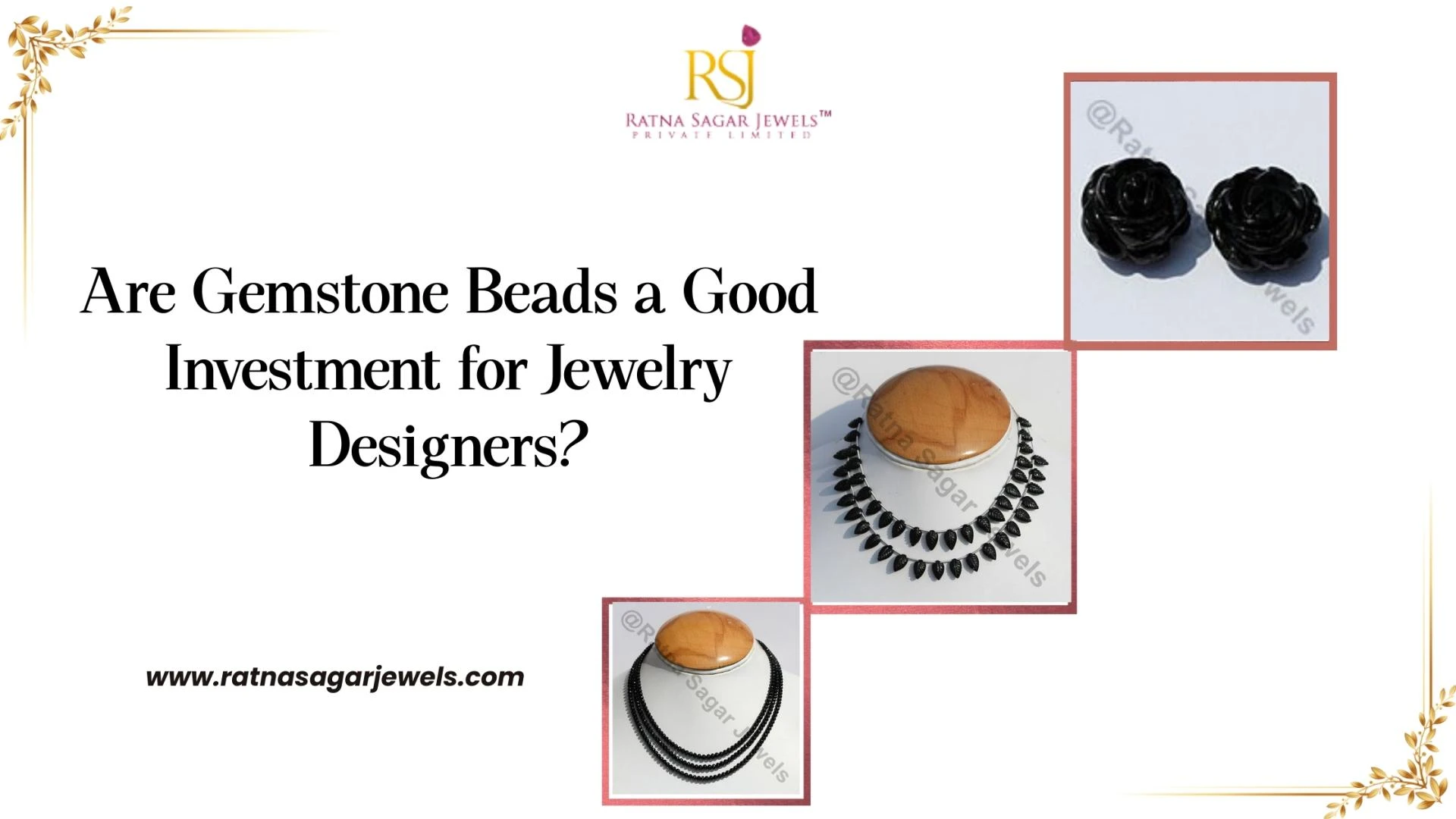
Introduction: Investment Meets Design Opportunity
The demand for handcrafted jewelry has grown steadily over the past decade. Customers today are looking for unique, meaningful pieces instead of mass-produced accessories. They value originality, natural materials, and personal expression.
At the same time, interest in natural stones and custom jewelry designs continues to rise. Buyers are more aware of materials and often prefer jewelry made with real stones rather than synthetic alternatives.
This shift has made Gemstone Beads increasingly popular among jewelry designers. But beyond their beauty, many creators ask an important question: Are Gemstone Beads a smart financial investment as well?
The answer depends on sourcing, quality, and strategy. When chosen carefully, Gemstone Beads can be both a creative asset and a profitable material investment.
What Are Gemstone Beads?
Gemstone Beads are small pieces of natural or treated stones that are cut, shaped, drilled, and polished for jewelry making. They are used in necklaces, bracelets, earrings, and even statement pieces.
These beads come in two main categories:
- Precious stones such as ruby, sapphire, and emerald
- Semi-precious stone beads like amethyst, citrine, garnet, and turquoise
Both categories are widely used in modern jewelry design.
Common Shapes and Finishes
Designers can choose from many styles, including:
- Round beads
- Oval and cushion shapes
- Chips and nuggets
- Drops and teardrops
- Faceted gemstone beads for extra sparkle
- Smooth polished beads for a natural look
Some are sold individually, while others are sold as gemstone bead strands, making them easier to use for larger projects.
Understanding these options helps designers select materials that align with their creative goals and target market.
Why Jewelry Designers Invest in Gemstone Beads
Many designers view Gemstone Beads as more than decorative materials. They see them as long-term business tools.
1. Unique Aesthetic Appeal
No two natural gemstone beads are exactly alike. Their variations in color, pattern, and texture create one-of-a-kind jewelry pieces. This uniqueness allows designers to stand out in a competitive market.
Customers are often willing to pay more for jewelry that feels special and authentic.
2. Customization Flexibility
Gemstone Beads allow designers to:
- Create birthstone collections using birthstone beads
- Match seasonal color trends
- Design luxury pieces using precious gemstone beads
- Offer budget-friendly lines using semi-precious options
This flexibility supports both premium and mid-range pricing strategies.
3. Higher Perceived Value
Jewelry made with real stones naturally feels more valuable than pieces made from glass or plastic. Even simple designs can command better pricing when made with natural gemstone beads.
4. Long-Term Usability
Unlike perishable materials, high-quality gemstone beads can be stored for years if maintained properly. Designers can stock inventory without worrying about quick expiration.
For businesses focused on handmade jewelry supplies, this makes Gemstone Beads a stable component in their material strategy.
Financial Perspective: Are They Profitable?
From a business standpoint, profitability depends on purchasing strategy, design skill, and target market.
Wholesale vs Retail Purchasing
Buying from retail suppliers increases costs and reduces margins. Many designers improve profits by purchasing wholesale gemstone beads, especially when buying in bulk.
Wholesale buying offers:
- Lower cost per bead
- Better pricing on gemstone bead strands
- Greater room for markup
Margin Potential in Handmade Jewelry
Handmade jewelry typically allows healthy margins. For example:
- A bracelet made from semi-precious stone beads may cost modestly in materials.
- The final product can often sell at 2–4 times the material cost, depending on branding and design.
Luxury pieces made from rare or AAA quality gemstone beads can achieve even higher margins, provided the craftsmanship matches the material quality.
Impact of Quality and Rarity
Gemstone bead pricing is influenced by:
- Stone rarity
- Origin
- Treatment status
- Market demand
High-quality emerald or ruby beads will cost more upfront but may justify higher retail pricing.
Market Demand Trends
Minimalist and nature-inspired jewelry styles continue to trend globally. As consumers prioritize sustainability and authenticity, real gemstone materials remain attractive.
However, trends change. Designers should track demand rather than rely on assumptions.
Quality Factors That Influence Investment Value
Not all Gemstone Beads are equal. Investment value depends heavily on quality.
1. Color and Clarity
Vibrant color and good clarity usually increase value. Dull or cloudy stones often sell at lower prices.
2. Origin
Certain origins are known for superior stones. For example:
- Burmese rubies
- Colombian emeralds
- Sri Lankan sapphires
Origin can significantly influence resale value.
3. Cut and Polish
Well-cut and evenly polished beads enhance both beauty and durability. Poor drilling or uneven cuts reduce usability and market appeal.
4. Size Consistency
Consistent sizing across a strand improves professional appearance. Designers prefer uniform gemstone bead strands for clean designs.
5. Certification
When dealing with higher-value stones, certified gemstone beads provide credibility. Certification verifies authenticity and sometimes origin.
Understanding these gemstone bead quality factors protects designers from overpaying.
Risks to Consider Before Investing
Like any material investment, Gemstone Beads carry certain risks.
Fake or Dyed Stones
Some suppliers sell glass, synthetic stones, or heavily dyed materials as natural. This affects resale value and damages brand trust.
Market Fluctuations
Gemstone prices can rise or fall based on:
- Mining supply
- Trade regulations
- Fashion trends
Designers should avoid over-investing in one type of stone.
Storage and Maintenance
Although durable, gemstones require proper storage:
- Keep away from moisture
- Avoid direct sunlight
- Store separately to prevent scratching
Poor storage reduces long-term value.
Unreliable Suppliers
Low prices may signal low quality. Sourcing from unverified sellers increases the risk of inconsistent sizing or treated stones sold as untreated.
A careful sourcing process reduces these risks.
How to Make a Smart Investment in Gemstone Beads
Designers who approach purchasing strategically are more likely to see positive returns.
✔ Buy from Trusted Suppliers
Work with established vendors specializing in jewelry making materials. Request transparency about treatments and sourcing.
✔ Request Certification When Needed
For expensive stones, certification increases trust and protects your business reputation.
✔ Compare Wholesale Pricing
Before purchasing bulk quantities of wholesale gemstone beads:
- Compare multiple suppliers
- Check return policies
- Order sample strands first
✔ Start with High-Demand Stones
If you are building inventory, consider stones that consistently perform well in the market, such as:
- Amethyst
- Emerald
- Ruby
- Sapphire
- Garnet
- Moonstone
These stones are popular in both modern and traditional designs.
✔ Balance Quality and Budget
Not every piece requires the highest grade. Use:
- AAA quality gemstone beads for premium collections
- Mid-grade stones for everyday lines
This tiered strategy improves overall profitability.
Conclusion: A Balanced and Practical Answer
So, are Gemstone Beads a good investment for jewelry designers?
In most cases, yes—when sourced wisely and used strategically.
Gemstone Beads offer:
- Creative flexibility
- Strong perceived value
- Potential for healthy profit margins
- Long-term usability
However, success depends on understanding quality, market demand, and supplier reliability. They are not a guaranteed financial return on their own. Profit comes from combining smart purchasing with thoughtful design and strong branding.
For designers who approach the market with research and planning, Gemstone Beads can serve as both a creative foundation and a reliable material investment.
When chosen carefully, they are more than decorative elements—they are assets that support craftsmanship, reputation, and sustainable business growth.