When a guest walks into a chic hotel or a bustling restaurant, the first thing they notice isn’t the food or the décor alone. It’s the subtle, often tiny cues that stitch together the whole experience. Think of the crisp white shirts of the front‑desk staff, the colourful aprons of the kitchen crew, or the distinctive badge that identifies a concierge. These details, though small, communicate professionalism, unity and brand personality at once.
In an industry where first impressions matter, custom patches have become indispensable. From the early days of simple embroidered insignia to today’s versatile “sew on” and “iron on” solutions, they enable hospitality businesses to add an extra layer of identity without cost‑heavy uniforms or elaborate branding campaigns.
Let’s explore how custom patches work their magic across the hospitality sector, why they’re such a smart investment, and how you can use them to strengthen your brand’s presence.
Why Patches Matter in Hospitality
Brand cohesion is essential for any service‑industry player, yet the demands of hospitality—shift changes, high‑traffic environments, and frequent wear—make conventional branding tools difficult to maintain. Patches offer several advantages:
- Durability – They’re designed to withstand repeated washing, scrubbing and exposure to kitchen steam or outdoor weather, unlike printed logos that fade quickly.
- Flexibility – Different garment types can be customised without changing the entire uniform line.
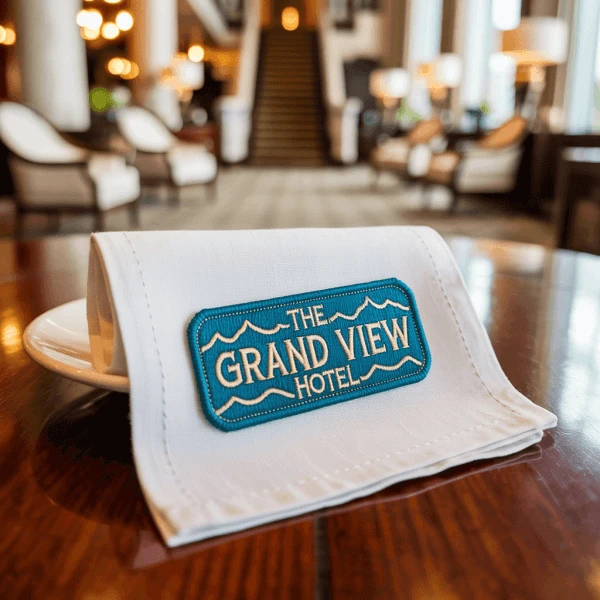
- Affordability – A single patch design can be applied to multiple items: shirts, jackets, hats, bags, and even towels.
- Speed – Patches can usually be produced and delivered in weeks, allowing brands to roll out new campaigns or seasonal promotions swiftly.
Moreover, patches create a shared identity among staff, boosting morale and encouraging a sense of belonging. A well‑designed patch that looks as polished on a head‑to‑toe jacket as on a coffee‑mug sleeve instantly tells customers that the brand cares about its detail and consistency.
Types of Patches and Their Hospitality Uses
1. Embroidered Patches
These are the stalwarts of the patch world. The thread‑based design offers a premium feel and is highly resistant to washing.
- Best for: Front‑desk and concierge uniforms, executive jackets, and high‑visibility safety vests.
- Why: The raised texture gives a three‑dimensional look that attracts attention even from a distance.
2. Badge Patches (Sewn‑On)
Also known as sew‑on patches, badge patches are attached with a durable thread stitch.
- Best for: Kitchen aprons, bar staff jackets, housekeeping shirts, and delivery vests.
- Why: They’re sturdy enough for kitchens where staff might use hot surfaces or cleaning chemicals.
3. Iron‑On Patches
These patches come with a heat‑activated adhesive, allowing them to be pressed onto fabric without sewing.
- Best for: Temporary or seasonal branding, promotional giveaways (e.g., tote bags for guests), and events.
- Why: Quick to apply, perfect for on‑the‑fly changes or limited‑edition items.
4. Personalised Embroidery Patches
Adding names or individual titles on a patch turns a generic logo into a bespoke identity.
- Best for: Front‑desk staff, hotel lobbies, and banquet rooms where individual recognition matters.
- Why: Personal touches foster a sense of personal responsibility and pride among employees.
Real‑World Hospitality Applications
Below are some concrete examples that illustrate the versatility of custom patches.
A. Hotel Uniforms
- Executive Suites – A luxury hotel might use embroidered patches featuring a sleek monogram on chest pockets of executive jackets.
- Housekeeping Staff – Badge patches with a discreet “cleaning” symbol on shirts, ensuring the brand is visible yet understated.
- Concierge Gear – Personalised patches that display each concierge’s name and role, promoting a welcoming atmosphere for guests.
B. Restaurants and Bars
- Chef’s Aprons – Heavy‑duty embroidered patches with the restaurant’s crest protect against splashes and grease.
- Bartender Jackets – Iron‑on patches featuring cocktail symbols allow quick seasonal changes for themed nights.
- Delivery Bags – Sturdy sew‑on patches on tote bags reinforce the brand’s commitment to quality service.
C. Event Management & Catering
- Staff Badges – For large events, custom logo patches on polo shirts give staff an instant, professional look.
- Promotional Giveaways – Iron‑on patches on reusable water bottles or tote bags help spread brand awareness beyond the event.
Choosing the Right Patch for Your Hospitality Brand
1. Material and Durability
- Cotton & Polyester – Ideal for most uniforms; they handle frequent washing.
- Nylon or Polyurethane – Best for heavy‑use items like aprons or outdoor jackets.
2. Colour Matching
- Brand Palette – Ensure your patch colours align with your overall visual identity.
- Contrast – High‑contrast designs increase readability—especially important for evening service or dimly lit spaces.
3. Sizing
- Standard – 3–5 cm for smaller items like hats or wristbands.
- Large – 10–15 cm for jackets or big tote bags.
4. Placement
- Front Chest – Most common for uniform jackets, providing instant recognition.
- Back or Sleeve – Great for larger logos, especially on shirts or aprons.
5. Minimum Order Quantity (MOQ)
If you’re working with a custom patches service in UK that offers a minimum order quantity of 50 pieces, you’ll want to plan accordingly. However, many suppliers provide flexible MOQs for small businesses or single‑item purchases, especially if you’re experimenting with a new design.
How to Work With a Custom Patches Service in the UK
- Design Consultation
- A professional team will help refine your logo, select suitable materials and suggest the best placement for maximum impact.
- Proofing
- You’ll receive a digital mock‑up to approve—no hidden surprises once the final patches are produced.
- Production
- Once approved, the patches are stitched or printed. Quality control ensures consistency across every piece.
- Delivery
- Most UK suppliers offer fast shipping, so you can get your custom patches in time for a new opening or event.
Frequently Asked Questions
Q1: What’s the difference between embroidered patches and iron‑on patches?
A1: Embroidered patches are sewn onto fabric, giving a raised, durable finish that’s ideal for uniforms that undergo heavy washing. Iron‑on patches use heat‑activated adhesive; they’re easier to apply and perfect for temporary branding or promotional items.
Q2: How many pieces can I order if I have a small boutique restaurant?
A2: Many UK suppliers offer a minimum order quantity of 25–50 pieces for standard sizes, but some will accommodate smaller orders for prototypes or limited‑edition items.
Q3: Can I add staff names to the patches?
A3: Yes, personalised embroidery patches for staff are a common feature. This is especially useful for front‑desk or concierge staff, where guests appreciate a personal touch.
Q4: Are custom patches suitable for wet conditions, like kitchen aprons?
A4: Absolutely. Heavy‑duty embroidered patches, especially those made from polyester or nylon, can withstand splashes, steam and frequent washing.
Q5: How long does it take to receive my custom patches?
A5: Typically, production takes 2–4 weeks from design approval, depending on the complexity and order size. Shipping across the UK generally takes 3–5 working days.
Bringing It All Together
Custom patches not only enhance the visual consistency of your hospitality brand; they also add functional value to everyday workwear. Whether you’re a hotel chain aiming for a cohesive look across multiple properties or a local café wanting to stand out with a fresh, seasonal motif, patches provide a cost‑effective, durable, and scalable solution.
If you’re ready to give your team that extra touch of professionalism, consider exploring a custom patches service in UK that can match your brand’s unique style. Whether you need embroidered patches for executive jackets or iron‑on patches for a limited‑run giveaway, the right patch can make all the difference.
Take the first step—reach out to a trusted supplier and turn your brand’s vision into a tangible, embroidered reality that your staff and guests will notice and appreciate.