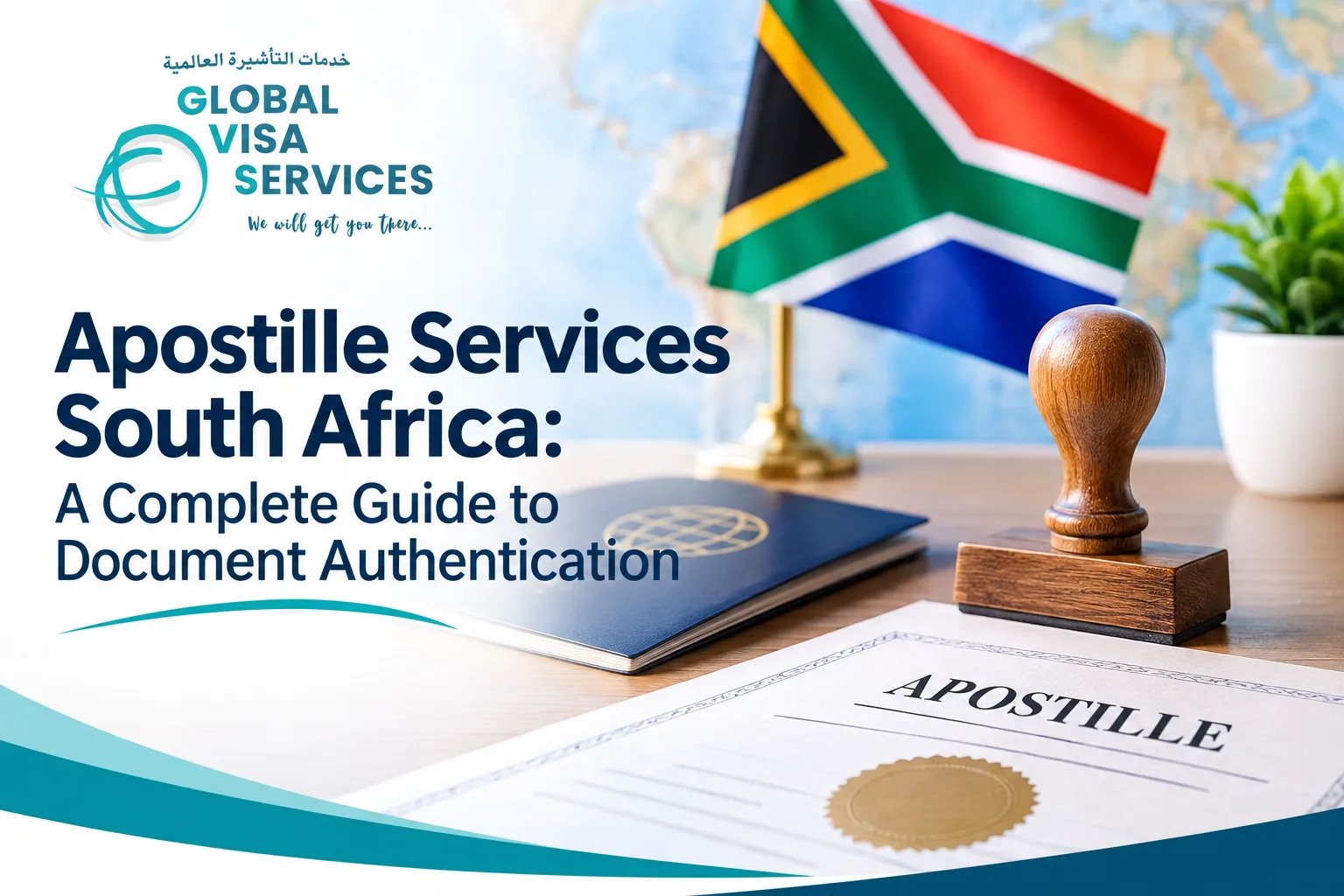
When planning to work, study or conduct business overseas, South African documents may need official authentication. Apostille Services South Africa help individuals understand the document authentication process and prepare eligible paperwork for international use. Apostille certification helps establish the authenticity of official documents before they are presented to foreign authorities.
What Is an Apostille Certificate?
An apostille is an official certificate that verifies the authenticity of a signature, the capacity in which the person signing a document acted, and the identity of the seal or stamp on it. It allows eligible public documents to be recognised in countries belonging to the Hague Apostille Convention of 1961.
For documents covered by the Convention, an apostille replaces the traditional chain of diplomatic legalisation with certification by a designated authority in the country where the document originated. It verifies the signature, seal or stamp, not the truth of the document's contents.
When Do You Need an Apostille in South Africa?
An apostille may be needed when a South African document must be submitted to an authority in another country. Requirements vary according to the destination and the reason for presenting the document.
You may need one for:
- Employment abroad: Employers or immigration authorities may request authenticated qualifications, police clearance certificates or other official records.
- Studying overseas: Universities may ask for verified academic certificates, transcripts or supporting documents.
- Marriage abroad: A foreign authority may request an authenticated birth certificate or marital status document.
- Immigration: Applicants moving to another country may need authenticated civil records.
- International business: Companies may need apostilled powers of attorney, company records or other legal documents.
Confirm the receiving organisation's requirements before arranging certification.
How Does the Apostille Process Work in South Africa?
The procedure depends on the document, and some records require preliminary verification.
1. Identify the documents. Check whether originals, certified copies or supporting records are required.
2. Check preliminary requirements. Certain documents must first be signed, stamped or verified by the relevant department, institution, registrar or authorised official. Private documents, affidavits and powers of attorney may need notarisation.
3. Find the correct authority. South Africa has more than one route for document authentication. Certain documents can be apostilled by the Registrar of the High Court, while other official public documents are handled by the Department of International Relations and Cooperation (DIRCO). The correct authority depends on the document category and applicable procedure.
4. Submit the paperwork. Follow the authority's instructions and check that all signatures, stamps and supporting documents are complete.
5. Review the certification. Check that it is attached to or properly associated with the document, and keep the paperwork secure.
Apostille vs Document Legalisation: What Is the Difference?
Both procedures establish document authenticity for overseas use. The route depends on whether the destination country belongs to the Hague Apostille Convention.
For a country covered by the Convention, an apostille is generally used for eligible documents. It removes the need for the traditional chain of diplomatic legalisation.
If the destination country is not covered by the Convention, an apostille may not be accepted. The document may instead need a Certificate of Authentication and further verification through diplomatic or consular channels.
Check the destination country's requirements and confirm which procedure applies to your document. Using the wrong route can lead to delays or rejection.
Common Mistakes to Avoid
Avoid these common mistakes:
- Submitting the wrong document: Follow the receiving authority's instructions rather than relying on a general checklist.
- Assuming every copy is acceptable: Some procedures require an original, while others accept properly certified copies.
- Skipping preliminary verification: Certain records must be notarised or verified before apostille certification.
- Choosing the wrong route: An apostille and a Certificate of Authentication are not interchangeable in every situation.
- Applying too late: Allow enough time for verification, submission and any additional legalisation steps.
How Professional Assistance Can Help
Document authentication can involve different authorities and procedures. Professional guidance can clarify requirements, organise supporting documents and identify the appropriate next step.
This is useful when preparing several documents for employment, education, immigration or business. Always confirm final requirements with the receiving authority.
For people planning international travel, arranging document preparation alongside reliable travel visa services can make the wider process easier to manage. Although separate processes, both may be part of preparing to travel, work or relocate abroad.
Global Visa Services assists clients with visa-related requirements and travel documentation, helping applicants understand the paperwork involved in their international plans.
Final Thoughts
An apostille can help South African documents gain recognition in another country when the destination and document are covered by the relevant rules. Check requirements in advance and follow the correct submission route to help prevent delays.
Whether you are preparing to work overseas, continue your education, relocate or handle international business, make document authentication part of your planning. With accurate information and suitable guidance, the process can be more straightforward.