
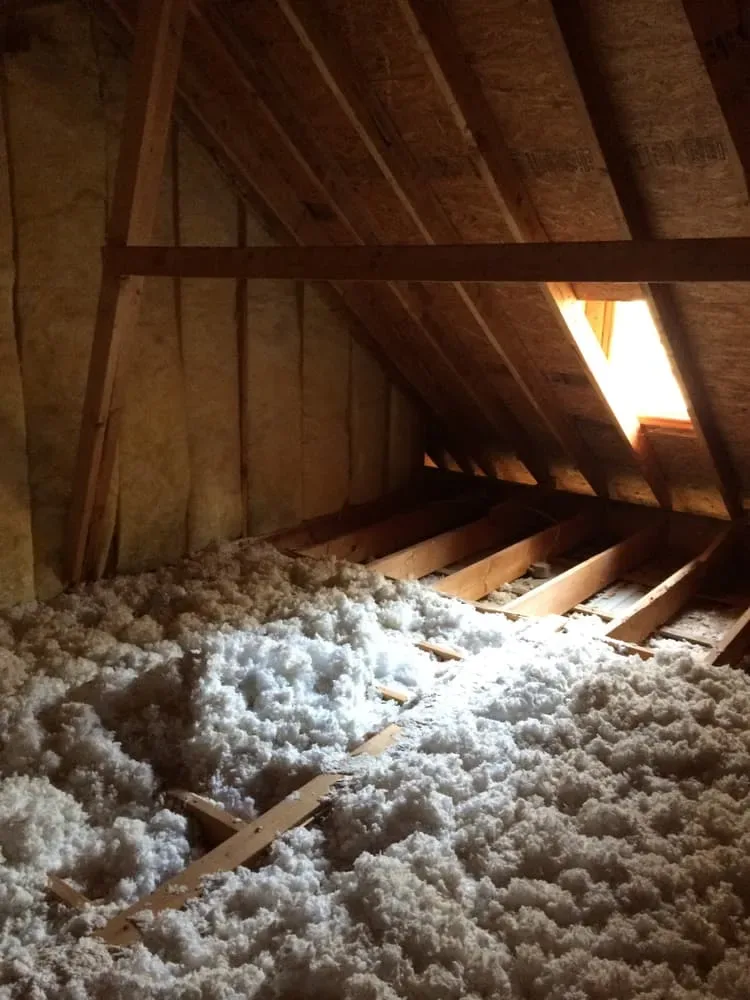
Vermiculite insulation was commonly used in homes and buildings because of its lightweight structure and insulating properties. It often appears as small, pebble-like granules and may be found in attics, wall cavities, and around pipes. However, older vermiculite insulation can contain asbestos, making careful handling essential. Understanding the risks and knowing when to seek professional help can protect occupants and prevent unnecessary exposure.
When vermiculite insulation is discovered during a renovation, property owners should avoid disturbing it until its condition has been assessed. Professional vermiculite asbestos removal helps manage potentially contaminated material through controlled procedures, proper containment, and responsible disposal. A qualified abatement team can assess the affected area and determine the safest approach for the property.
🏠 Where Is Vermiculite Insulation Commonly Found?
Vermiculite insulation is often identified by its loose, granular appearance. It may have a grayish-brown, gold, or silvery color. Older properties are more likely to contain this type of insulation, particularly in areas that have not been renovated.
Common locations include:
- Attics: Loose vermiculite may cover attic floors or sit between ceiling joists.
- Wall cavities: Some older buildings contain vermiculite behind interior walls.
- Around pipes: Insulation materials may be present near plumbing and heating systems.
- Ceiling spaces: Vermiculite may be found above finished ceilings or in concealed building areas.
Appearance alone cannot confirm whether vermiculite contains asbestos. Professional inspection and appropriate laboratory testing are necessary to determine the material's composition.
⚠️ Why Can Vermiculite Insulation Contain Asbestos?
Not all vermiculite contains asbestos. However, some older insulation products were made using vermiculite from a mine in Libby, Montana, where the material was contaminated with asbestos. This history makes certain older installations a potential concern.
Asbestos fibers are too small to identify by sight. When asbestos-containing insulation is disturbed, fibers can become airborne and may be inhaled. Exposure to asbestos is associated with serious illnesses, including asbestosis, lung cancer, and mesothelioma.
Activities such as drilling, removing ceiling materials, moving insulation, or renovating an attic can disturb contaminated vermiculite. Property owners should avoid sweeping, vacuuming, or handling suspected material themselves.
🔍 Signs That a Property May Have Vermiculite Insulation
Some older properties may contain vermiculite without visible warning signs. However, certain observations can indicate the need for a professional assessment.
Look for:
- Loose, pebble-like insulation in the attic.
- Granular material around pipes or within wall cavities.
- Older insulation that has not been professionally identified.
- Vermiculite uncovered during renovation or repair work.
These observations do not confirm asbestos contamination. Testing by qualified professionals is the appropriate way to establish whether asbestos is present.
🛠️ How Does Professional Vermiculite Asbestos Removal Work?
Safe removal requires planning, specialized equipment, and controlled work practices. A professional abatement team follows a structured process to limit the possibility of fiber release.
1. Inspection and Material Testing
The process begins with an assessment of the affected area. When appropriate, samples are collected and sent to a qualified laboratory for analysis. Testing helps determine whether asbestos is present and supports the development of a suitable removal plan.
2. Setting Up Containment
If asbestos contamination is confirmed and removal is required, the work area is isolated. Professionals may use protective barriers and negative air pressure systems to help prevent fibers from spreading into surrounding spaces.
3. Controlled Insulation Removal
Trained technicians use appropriate protective equipment and specialized procedures to remove contaminated insulation. The work is performed carefully to minimize disturbance and reduce the risk of airborne fiber release.
4. Cleaning and Decontamination
After removal, the affected area receives a thorough cleanup. HEPA-filtered equipment and suitable cleaning methods help capture fine dust and remaining debris. The work area is also handled according to applicable safety requirements.
5. Packaging and Proper Disposal
Removed insulation and contaminated debris must be securely packaged, transported, and disposed of through authorized waste-handling channels. Ordinary household waste disposal is not appropriate for asbestos-containing materials.
6. Final Assessment and Clearance
Depending on project requirements, post-removal inspection and air monitoring may be conducted to assess the work area. Clearance procedures help determine whether the space meets the applicable requirements for re-occupancy.
🏢 Why Hire Experienced Asbestos Abatement Professionals?
Vermiculite removal involves more than taking insulation out of an attic. Improper handling can spread contamination to other parts of a building. Experienced professionals understand containment procedures, protective equipment, removal methods, and hazardous waste requirements.
A-Best Abatement provides vermiculite asbestos removal services for residential and commercial properties. With more than three decades of hands-on experience, the company offers inspection, containment, removal, cleanup, and disposal support. Each project is approached according to the property's conditions and the scope of work.
🌿 Protect Your Property by Taking the Right Steps
Discovering vermiculite insulation does not automatically mean a property is unsafe. The important step is to avoid disturbing the material and arrange a professional assessment. Testing can help establish whether asbestos is present and whether removal or another management approach is appropriate.
A-Best Abatement helps property owners address suspected asbestos-containing vermiculite through planned abatement procedures and careful cleanup. Contact the team to discuss the condition of the insulation, understand the available options, and request an estimate for the required work.