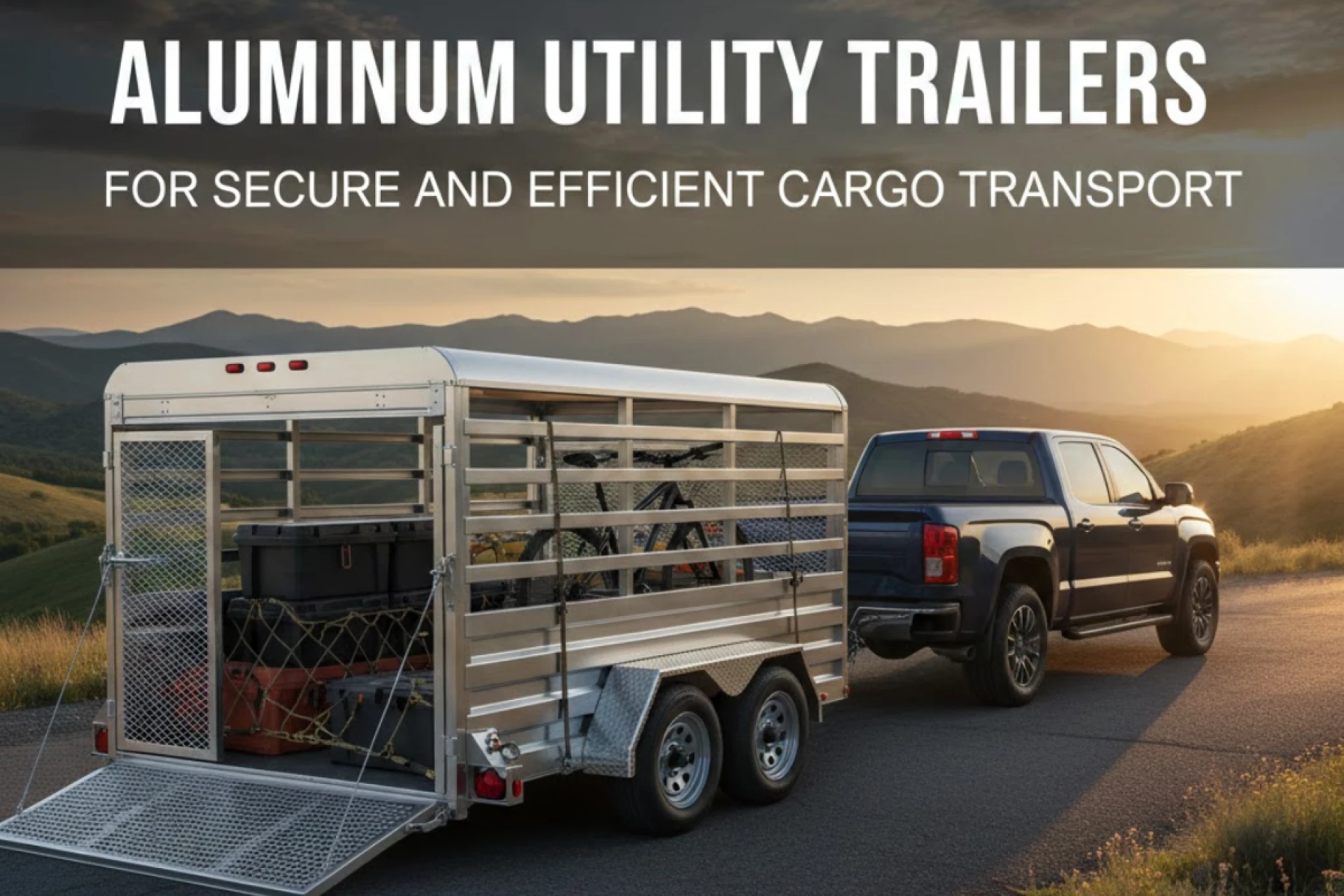
Some tools quietly make life easier without asking for praise. Aluminum utility trailers fall into that category. They show up early, take the load, handle rough roads, and don’t complain when the job runs late. You might not think much about them at first. Then one day, after wrestling with rusted bolts or a trailer that feels heavier than it should, the difference clicks.
Midway through many buying decisions, people start searching for the best aluminum utility trailers. Not because they want something flashy. They want something that works. Repeatedly. Without surprises.
Why Aluminum Keeps Winning People Over
Steel had its long run. Still does, in some cases. Aluminum changed expectations.
The first thing most people notice is weight. Or lack of it. Lighter trailers tow easier. Acceleration feels smoother. Braking feels more controlled. Even backing up seems less tense, somehow.
Then there’s corrosion. Aluminum doesn’t rust the same way steel does. Rain, snow, road salt. All the stuff trailers sit in for years. Aluminum shrugs most of it off.
For anyone who stores a trailer outside, that alone feels like a quiet relief.
Real Work, Real Loads, Real Days
Utility trailers live in the middle of real jobs. Landscaping crews hauling equipment. Contractors moving materials site to site. Homeowners clearing yards or transporting ATVs for the weekend.
Aluminum utility trailers handle all of it with less strain on the tow vehicle. Fuel consumption stays a little lower. Suspension feels less stressed.
That difference adds up over long days.
The Security Side of Cargo Transport
Cargo security doesn’t always mean locks and chains. Sometimes it means stability.
Aluminum frames distribute weight evenly. Loads sit flatter. Tie-down points stay solid.
A stable trailer keeps cargo from shifting. Shifting cargo causes damage. Damage costs time.
People learn this lesson the hard way. Once.
Open Deck Designs That Make Sense
Most aluminum utility trailers come with open decks. That openness helps.
Loading equipment feels faster. Visibility improves. You see exactly where weight sits.
Side rails add containment without boxing things in. Mesh gates fold down. Ramps slide out smoothly.
Simple design often works better than complicated setups.
Flooring Choices That Matter
Aluminum trailers usually pair aluminum frames with wood or aluminum decking.
Wood offers grip. Easier on equipment tires. Needs occasional replacement.
Aluminum decking lasts longer. Less maintenance. More upfront cost.
Some owners swear by wood. Others prefer metal. Both camps have reasons.
There’s no perfect answer here. Just preference.
Long Days on the Road Feel Different
Towing fatigue is real. Long drives. Traffic. Weather shifts.
Lighter trailers reduce strain on drivers. Steering corrections feel smaller. Wind gusts feel less dramatic.
After a full day, that matters.
People don’t always notice until they switch back to heavier trailers. Then they do.
Aluminum Utility Trailers for Small Businesses
Small businesses watch expenses closely. Fuel costs. Maintenance costs. Downtime.
Aluminum trailers help keep those costs predictable. Less rust repair. Less frame fatigue.
Resale value stays higher too. Aluminum ages better visually.
For growing operations, that stability helps planning.
Axle Configurations and Load Ratings
Single axle trailers suit lighter loads. Lawn equipment. Furniture. Smaller materials.
Tandem axle setups handle heavier cargo. Better balance. Smoother towing.
Choosing the right axle setup avoids overloading issues later.
Manufacturers publish ratings for a reason. Ignoring them causes trouble.
Why Payload Capacity Isn’t Just a Number
Payload capacity looks simple on paper. Real-world loads vary.
Wet mulch weighs more. Gravel surprises people. Tools add up.
Aluminum trailers help because the trailer itself weighs less. More of the rating goes to cargo.
That flexibility matters during unpredictable jobs.
Maintenance Habits That Keep Trailers Going
Aluminum reduces maintenance. Doesn’t eliminate it.
Wheel bearings need grease. Tires need air. Lights need checks.
Fasteners stay cleaner. Frames stay straight.
Owners who keep up with basics get years of reliable service.
Weather Exposure and Long-Term Use
Trailers sit outside. That’s reality.
Aluminum handles rain and snow without flaking paint or rust bubbles.
Sun exposure affects wood decking more than frames.
Covers help. Storage helps. Still, aluminum forgives neglect better than steel.
That forgiveness earns loyalty.
Towing Compatibility With Modern Vehicles
Modern trucks and SUVs tow aluminum trailers comfortably.
Lower tongue weight improves handling. Suspension systems stay happier.
Even midsize vehicles handle lighter aluminum utility trailers with confidence.
This expands options for owners who don’t want heavy-duty trucks.
Versatility Across Seasons
Spring brings landscaping. Summer brings construction. Fall brings cleanup. Winter brings snow equipment.
Aluminum utility trailers adapt across seasons easily.
Tie-down systems change. Cargo changes. Trailer stays the same.
That versatility keeps them useful year-round.
Cost Considerations Without Sugarcoating
Aluminum trailers cost more upfront. That’s true.
Long-term costs balance out. Less rust repair. Higher resale.
Fuel savings appear slowly. Over years, not weeks.
People who plan long-term see the value clearly.
Real-World Stories From Owners
A landscaper upgraded from steel. Fuel bills dropped slightly. Maintenance time dropped noticeably.
A homeowner stored an aluminum trailer outdoors for years. Frame stayed clean.
A contractor sold an aluminum trailer after heavy use. Resale value surprised them.
Stories repeat often.
Why Aluminum Utility Trailers Feel Easier to Own
Ownership experience matters.
Trailers that demand constant attention drain patience.
Aluminum trailers fade into the background. They just show up and work.
That quiet reliability builds trust.
Safety Considerations on the Road
Lighter trailers reduce stopping distances.
Balanced loads reduce sway.
Proper hitching matters regardless of material.
Aluminum supports safer towing when paired with good habits.
Ramp Systems and Loading Ease
Fold-down ramps help with equipment loading.
Slide-in ramps save space.
Ramp strength matters. Aluminum ramps handle weight well when built properly.
Loading should feel controlled, not rushed.
Custom Options People Actually Use
Extra tie-down points. Spare tire mounts. Side extensions.
People rarely regret adding tie-downs.
Fancy add-ons matter less than practical ones.
Simple improvements make daily work smoother.
Comparing Aluminum to Steel Without Bias
Steel remains strong. Affordable. Widely available.
Aluminum brings lighter weight and corrosion resistance.
Neither material wins every situation.
Usage patterns decide the winner.
Why People Rarely Switch Back
Once owners adjust to aluminum, switching back feels heavy. Literally.
Towing feels different. Maintenance feels heavier.
That comparison sticks.
Storage, Parking, and Everyday Handling
Moving aluminum trailers by hand feels easier.
Parking adjustments take less effort.
Backing into tight spots feels more controlled.
Small things improve daily use.
A Natural Ending, No Pitch
Aluminum utility trailers don’t promise perfection. They promise consistency.
They haul. They hold up. They stay lighter longer.
For people moving cargo often, that reliability matters.
Some tools earn trust quietly. Aluminum utility trailers do exactly that.