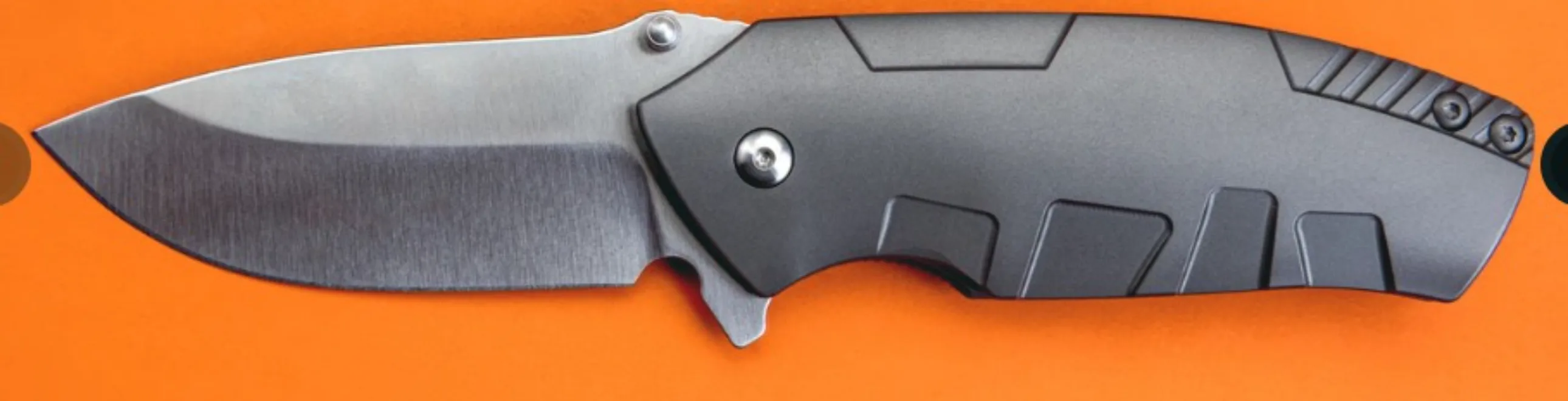
Folding knives are valued for their compact structure, convenient storage, and practical design. Unlike fixed blade knives, they feature a pivoting blade that folds into the handle when not in use. Their overall quality depends on material selection, construction, handle comfort, and the reliability of the folding mechanism.
The Alpha 6 Folder can be explored through these design characteristics, including its folding structure, blade materials, handle construction, and maintenance requirements. Understanding these features helps readers evaluate folding knife designs without making assumptions about specifications that have not been verified.
Understanding Folding Knife Construction
A folding knife consists of several components, including a blade, handle, pivot, and opening mechanism. Depending on the model, it may also include a locking system designed to help keep the blade in its intended position during use.
Manufacturing quality plays an important role in overall performance. Proper alignment, secure assembly, and consistent finishing can contribute to dependable operation. However, specific construction details vary between models, so the manufacturer's specifications should always be checked.
Blade Materials and Finish
Blade material affects corrosion resistance, edge retention, durability, and ease of maintenance. Stainless steel is commonly used because it generally offers good resistance to moisture and corrosion. Other steel types may provide different combinations of hardness and toughness.
The surface finish can also influence appearance and routine care. Some finishes are designed to reduce visible wear, while others emphasize a polished or decorative look. Regardless of finish, regular cleaning and appropriate storage help maintain the blade's condition.
What Defines the Alpha 6 Folder?
The Alpha 6 Folder belongs to the category of folding knife designs, where compact storage and a pivoting blade are central features. When evaluating a specific model, important considerations include its verified blade steel, handle material, overall dimensions, weight, and mechanism.
A product name alone does not confirm its exact specifications or construction. Reviewing reliable manufacturer information helps users understand what materials and features are actually included. It is also important to inspect any folding knife for visible damage, loose components, or mechanical problems before handling it.
Handle Design and Ergonomics
The handle influences comfort, grip, and overall usability. Common handle materials include aluminum, stainless steel, wood, and durable synthetic compounds. Each has different characteristics related to weight, texture, moisture resistance, and appearance.
A well-finished handle should feel comfortable and should not have obvious cracks, sharp edges, or loose components. Surface texture and shape can affect how securely a person holds the knife, so these features deserve attention when assessing construction quality.
Folding Mechanism and Safe Storage
The pivot allows the blade to move between its open and closed positions. Some folders use a locking mechanism, while others rely on different designs to manage blade movement. The exact system should be confirmed through the product documentation.
Keep the pivot clean and follow the manufacturer's maintenance guidance. If the blade moves unexpectedly, the mechanism feels damaged, or components become loose, stop using the knife until it has been inspected by a qualified professional.
When closed, the knife should be stored securely to prevent accidental opening or unwanted access. Follow applicable laws regarding possession and transportation, especially when traveling between locations with different regulations.
Maintenance and Long-Term Care
Routine maintenance helps preserve a folding knife's appearance and mechanical condition. Wipe away dirt and moisture after use, paying attention to areas where debris may collect. Use only cleaning products and lubricants suitable for the materials and mechanism.
Inspect the handle, pivot, and locking components periodically. Avoid exposing the knife to prolonged moisture, and store it in a dry place. Proper care can help reduce corrosion and unnecessary wear while making potential problems easier to identify.
Evaluating Modern Folding Knife Designs
When comparing folding knives, consider construction quality, materials, comfort, maintenance needs, and verified product details. The range of designs associated with uwharrieoutdoor can be considered within the broader context of contemporary folding and outdoor knife styles. Always check the relevant product page for accurate information about a particular model.
It is also worth considering the actual purpose for which a tool is intended. Selecting a design that suits lawful, practical needs can help avoid paying for features that are unnecessary. Responsible storage and safe handling remain essential regardless of the knife's style or materials.
Final Thoughts
Folding knives combine a pivoting blade with a compact structure that allows convenient storage. Their quality depends on material selection, careful assembly, comfortable handle design, and proper maintenance.
The Alpha 6 Folder can be evaluated using these general criteria, with attention to verified specifications rather than assumptions based on its name. By checking construction details, maintaining the mechanism, and following local regulations, users can develop a clearer understanding of folding knife design and responsible ownership.