Rajasthan is a land where spirituality meets architectural brilliance, and nowhere is this more evident than in the twin cities of Ajmer and Pushkar. Often visited together due to their close proximity, these destinations offer a profound contrast between Islamic heritage and Hindu traditions. Planning a trip to this region requires a blend of cultural sensitivity and a well-structured itinerary. To ensure a seamless journey, many travelers prefer to coordinate with a reliable travel agency in rajasthan that understands the nuances of local customs and peak travel seasons. This guide explores the essential experiences that make Ajmer and Pushkar a cornerstone of any Rajasthani pilgrimage or holiday.
The Spiritual Significance of Ajmer Sharif Dargah
Ajmer is anchored by the presence of the Dargah Sharif, the tomb of the Sufi saint Khwaja Moinuddin Chishti. This site is a beacon of peace, attracting millions of devotees from various faiths across the globe. When visiting, it is essential to dress modestly and carry a head covering as a mark of respect. The atmosphere inside the complex is electric, especially during the Qawwali sessions held after evening prayers. The intricate Mughal architecture, featuring marble courtyards and silver doors, reflects the deep-rooted history of the Chishtia order. Navigating the narrow, bustling alleys leading to the Dargah is an experience in itself, filled with the aroma of rose petals and incense.
Pushkar: The Sacred Lakeside Town
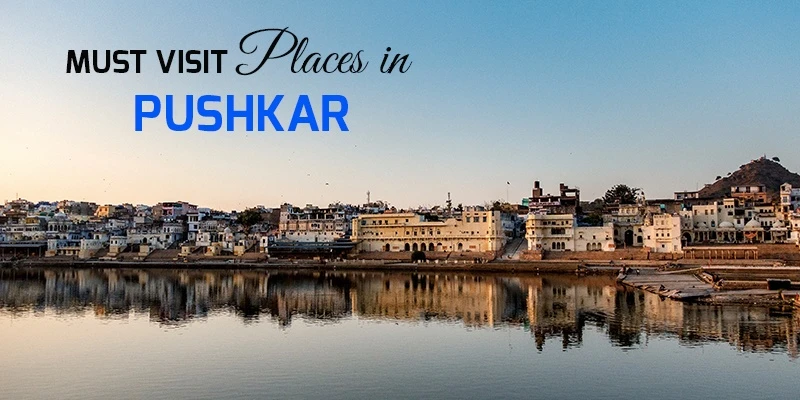
Just a short drive across the Nag Pahar (Snake Mountain) lies Pushkar, one of the oldest existing cities in India. Known primarily for the Brahma Temple—one of the very few in the world dedicated to the creator god—Pushkar serves as a vital stop for those on a Rajasthan Temples Tour. The city is built around the sacred Pushkar Lake, which features 52 ghats where pilgrims take ritual dips. Unlike the bustling energy of Ajmer, Pushkar has a bohemian, laid-back vibe. It is important to note that Pushkar is a strictly vegetarian and dry city; consumption of meat and alcohol is prohibited to maintain the sanctity of the grounds.
Architectural Marvels and Hidden Gems
Beyond the primary religious sites, both cities house architectural wonders that often go unnoticed. In Ajmer, the Adhai Din Ka Jhonpra is a masterpiece of early Indo-Islamic architecture. Originally a Sanskrit college, it was converted into a mosque, showcasing a stunning screen of seven arches adorned with intricate Arabic calligraphy. For a panoramic view of the city, a trek up to the Taragarh Fort is highly recommended. In Pushkar, the Varaha Temple and the Savitri Temple—accessible via a cable car—offer a deeper look into the region's diverse temple architecture and breathtaking sunset views over the desert landscape.
Seasonal Highlights: The Pushkar Camel Fair
If your visit coincides with the Hindu lunar month of Kartika (usually October or November), you will witness the world-famous Pushkar Camel Fair. This event transforms the quiet town into a vibrant spectacle of color, livestock trading, and folk performances. It is an incredible opportunity to witness the rural heart of Rajasthan. Because of the massive influx of international tourists during this time, demand for high-end accommodation spikes. Travelers looking for premium tents or heritage stays often opt for Rajasthan luxury tour packages to secure the best vantage points and comfortable amenities amidst the desert festivities.
Logistics and Local Flavors
Getting to Ajmer is convenient as it is well-connected by rail to major Indian cities like Delhi, Jaipur, and Mumbai. The nearest airport is in Kishangarh, which is about 30 kilometers away. Once you arrive, local rickshaws and walking are the best ways to explore the inner circles of both towns. Food enthusiasts should not miss the famous Ajmeri Kalakand (a milk-based sweet) and the Malpua in Pushkar. The street food culture here is vibrant, offering everything from spicy kachoris to international fusion cuisine in the many rooftop cafes overlooking the lake.
Practical Tips for Travelers
To respect the local culture, always ask for permission before taking photographs of people or religious ceremonies. Keep your footwear in designated areas outside temples and the Dargah. It is also wise to be wary of over-persistent "priests" at the Pushkar ghats who may push for expensive puja ceremonies; it is perfectly acceptable to politely decline. By balancing your itinerary between the meditative silence of the ghats and the vibrant chaos of the markets, you will find that Ajmer and Pushkar provide a soul-stirring experience that remains etched in your memory long after the journey ends.