
Managing airflow in commercial spaces can be a persistent challenge. Uneven temperature distribution, uncomfortable drafts, and hot and cold spots often lead to inefficient HVAC performance and discomfort for occupants. Employees and customers may experience frustration due to uncontrolled airflow, impacting satisfaction and productivity.
While modifying an HVAC system might seem like the best option, it can be expensive and disruptive. A more practical solution lies in air vent deflectors. These small but effective devices help redirect airflow, improving comfort while contributing to energy efficiency. But how do they work, and are they worth considering for your space?
What Are Air Vent Deflectors?
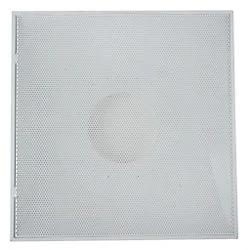
Air vent deflectors, also known as air diverters, are attachments placed over vents to help control
airflow direction. Without them, air typically blows straight down or in one fixed path, sometimes causing uneven temperature distribution. This can result in certain areas receiving too much heating or cooling while others remain underserved. Installing air deflectors for vents allows for better airflow management, ensuring a more even distribution throughout the space.
Deflectors can be installed on ceiling, wall, or floor vents, depending on the specific airflow issue. Some models direct air away from workspaces to prevent drafts, while others help distribute air more effectively across a room. The right deflector depends on the specific challenges within a space. In commercial environments, where maintaining a consistent indoor temperature is essential for comfort, air vent deflectors offer an effective way to optimize air circulation.
Common HVAC Airflow Problems
Maintaining airflow balance in a building can be complex, and several issues can arise that
impact comfort and efficiency. Have you ever noticed one side of a room feeling colder than the other, even when the thermostat is set correctly? This is a common sign of airflow imbalance. Some of the most common HVAC problems that air vent deflectors help resolve include:
Uneven Temperature Distribution
In offices, retail stores, and other commercial spaces, some areas may feel too warm while others remain too cold. This is often caused by improper vent placement, room design, or an HVAC system struggling to circulate air evenly. When airflow is not directed correctly, certain areas may receive excess cooling or heating, while others experience inadequate temperature control.
Hot and Cold Spots
Obstructions such as furniture, partitions, or architectural elements can block airflow, leading to areas that are either too warm or too cool. Have you ever adjusted the thermostat multiple times, only to find that some places still feel uncomfortable? These temperature imbalances make it difficult to maintain a comfortable indoor climate. Employees and visitors may frequently adjust thermostats in an attempt to compensate, which can increase energy use and create further inconsistencies.
Excessive Airflow in Certain Areas
In some commercial settings, vents are positioned directly above desks, seating areas, or workstations, creating strong airflow that makes occupants uncomfortable. Whether it’s excessive cooling from an air conditioning vent or a direct blast of heat in winter, such conditions can be distracting and disruptive. Without a way to redirect airflow, employees may resort to temporary solutions such as using space heaters or blocking vents, which can create additional HVAC inefficiencies.
How Air Vent Deflectors Solve These Problems
Air vent deflectors are designed to manage airflow effectively, addressing common HVAC issues by directing air to where it is needed most.
Enhancing Temperature Distribution
One of the primary benefits of air vent deflectors is their ability to guide air to different parts of a room, helping to balance temperature levels. Instead of allowing conditioned air to pool in one spot, deflectors distribute it more evenly. Have you ever wondered why some rooms feel more comfortable than others, even when they share the same HVAC system? The proper airflow control can make all the difference.
Eliminating Hot and Cold Spots
By controlling airflow direction, air vent deflectors help ensure that every section of a room receives adequate ventilation. Redirecting air away from obstacles such as walls or furniture allows previously underserved areas to benefit from heating and cooling. As a result, hot and cold spots are significantly reduced, creating a more predictable indoor climate.
Reducing Excessive Airflow in Specific Areas
For spaces where vents push too much air in a single direction, air vent deflectors provide relief by diffusing and redirecting airflow. Instead of cold or warm air blowing directly onto desks or seating areas, deflectors help moderate the airflow, reducing discomfort without compromising efficiency. This creates a more balanced and pleasant environment for employees and visitors alike.
Conclusion
Air vent deflectors offer a practical and cost-effective solution to common HVAC issues. By improving airflow management, they help eliminate temperature inconsistencies, reduce excessive drafts, and enhance overall comfort.
In addition to creating a more pleasant indoor environment, air vent deflectors contribute to energy efficiency and can extend the lifespan of HVAC systems. For businesses seeking an effective way to optimize their indoor climate, air vent deflectors provide a straightforward and beneficial option.