
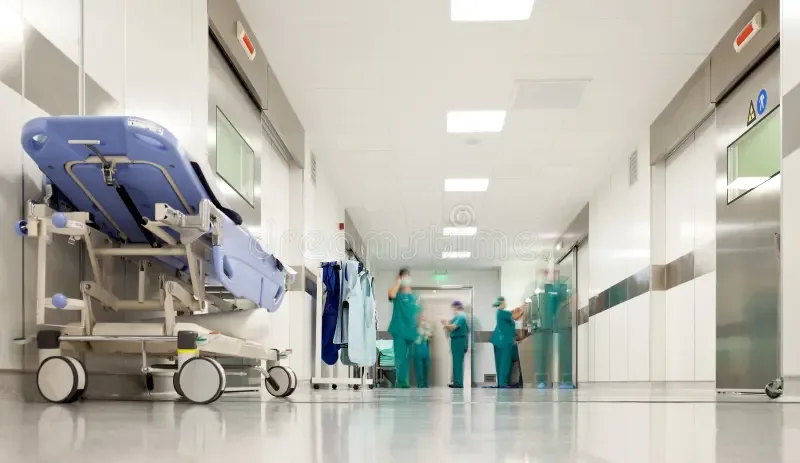
Air quality plays a crucial role in healthcare settings. Hospitals and clinics are places where patients seek treatment, recover from illness, and undergo medical procedures. Unfortunately, these environments can also expose people to airborne contaminants, including bacteria, viruses, dust, mould spores, volatile organic compounds (VOCs), and fine particulate matter. Without effective air purification, these pollutants can increase the risk of healthcare-associated infections (HAIs), worsen respiratory conditions, and affect the wellbeing of patients, visitors, and healthcare professionals.
Modern healthcare facilities must look beyond basic ventilation. While heating, ventilation, and air conditioning (HVAC) systems help regulate temperature and airflow, they do not always remove harmful airborne contaminants effectively. This is where dedicated air purification systems become an essential part of infection prevention and environmental safety.
In this guide, we explore why air purification is vital in hospitals and clinics, the common airborne risks found in healthcare environments, and how advanced air purification solutions help create safer spaces for everyone.
Why Indoor Air Quality Matters in Healthcare
Healthcare environments differ significantly from offices, schools, and commercial buildings. Every day, hospitals and clinics welcome patients with infectious diseases, weakened immune systems, chronic respiratory conditions, and various medical needs. The constant movement of patients, visitors, and staff also increases the possibility of airborne contaminants circulating throughout the building.
Poor indoor air quality can contribute to:
- Increased spread of airborne diseases
- Greater risk of healthcare-associated infections
- Respiratory irritation among patients and staff
- Longer patient recovery times
- Reduced comfort for visitors
- Higher maintenance costs due to dust accumulation
Maintaining clean indoor air is therefore not simply about comfort — it is an important component of patient safety and healthcare quality.
Common Airborne Contaminants Found in Hospitals
Healthcare facilities contain a wide variety of airborne pollutants. Understanding these contaminants highlights why effective air purification is necessary.
Bacteria
Bacteria can become airborne through coughing, sneezing, talking, and certain medical procedures. While many bacteria settle on surfaces, others remain suspended in the air long enough to spread between rooms or individuals.
Examples include:
- Staphylococcus species
- Streptococcus bacteria
- Tuberculosis bacteria under certain conditions
Viruses
Respiratory viruses spread through droplets and microscopic aerosols generated when infected individuals breathe, speak, cough, or sneeze.
Common examples include:
- Influenza
- Respiratory syncytial virus (RSV)
- COVID-19
- Rhinoviruses
Air purification systems can help reduce airborne viral particles alongside proper ventilation and infection control measures.
Fine Particulate Matter
Tiny particles known as PM2.5 and PM10 enter healthcare buildings from outdoor pollution, nearby traffic, construction activities, or indoor sources.
These particles may aggravate:
- Asthma
- Chronic obstructive pulmonary disease (COPD)
- Cardiovascular disease
- Allergies
Dust
Dust accumulates quickly in healthcare settings due to continuous foot traffic and constant equipment movement. Dust particles may carry bacteria, allergens, fibres, and chemical residues.
Even though routine cleaning removes surface dust, airborne dust continues circulating unless properly filtered.
Mould Spores
Moisture problems or hidden leaks can encourage mould growth within hospitals. Mould spores become airborne and may pose significant risks to patients with weakened immune systems.
Volatile Organic Compounds (VOCs)
Many healthcare products release chemical gases into the air.
Sources include:
- Cleaning chemicals
- Disinfectants
- Paints
- Adhesives
- Medical sterilisation products
- Furniture
- Flooring materials
High VOC concentrations may cause headaches, eye irritation, dizziness, and respiratory discomfort.
Anaesthetic and Medical Gases
Certain treatment areas may also contain trace amounts of medical gases. While these are managed through specialised systems, maintaining overall air quality remains important.
Healthcare-Associated Infections and Airborne Transmission
Healthcare-associated infections (HAIs) remain one of the most significant challenges facing medical facilities worldwide. Although many infections spread through direct contact, airborne transmission also plays an important role.
Airborne pathogens may travel through ventilation systems or remain suspended in indoor air for extended periods before reaching another patient or healthcare worker.
High-risk areas include:
- Emergency departments
- Waiting rooms
- Intensive care units
- Isolation rooms
- Surgical suites
- Recovery wards
- Oncology departments
Improving air purification in hospitals helps reduce the concentration of airborne contaminants, lowering the likelihood of exposure when combined with established infection prevention measures.
Why Traditional HVAC Systems Are Not Enough
Many people assume their building’s HVAC system provides complete air cleaning. While HVAC systems are essential for ventilation and temperature control, they often have limitations.
Standard HVAC systems primarily:
- Regulate heating and cooling
- Circulate indoor air
- Introduce outdoor air
- Capture larger particles through basic filters
However, they may not effectively remove:
- Ultrafine particles
- Airborne microorganisms
- Chemical pollutants
- VOCs
- Odours
Healthcare environments require additional layers of protection through specialised air purification technologies.
How Air Purification Systems Improve Healthcare Environments
Modern air purification systems use multiple technologies to improve indoor air quality.
High-Efficiency Particle Filtration
High-efficiency filters capture extremely small airborne particles, including:
- Dust
- Pollen
- Smoke
- Fine particulate matter
- Many bacteria
- Some virus-containing particles
These filters significantly reduce airborne particle concentrations throughout occupied spaces.
Activated Carbon Filtration
Activated carbon removes gases and odours rather than particles.
This technology helps reduce:
- Chemical fumes
- VOCs
- Cleaning product odours
- Medical treatment smells
- General indoor odours
Ultraviolet Germicidal Irradiation (UVGI)
Some healthcare facilities incorporate UV-C technology within HVAC systems or dedicated air purification units.
UVGI helps inactivate microorganisms by damaging their genetic material, reducing their ability to reproduce. It is typically used as part of a broader infection control strategy and is not a substitute for proper ventilation, filtration, cleaning, or personal protective measures.
Airflow Management
Industrial air purification also supports healthier airflow by reducing airborne particle loads before air is recirculated through occupied areas.
Proper airflow design helps minimise stagnant zones where contaminants can accumulate.
Areas Within Hospitals That Benefit Most
Although clean air is important throughout every healthcare facility, some areas require particularly high air quality standards.
Operating Theatres
Surgical procedures require highly controlled environments.
Clean air reduces the number of airborne particles that may enter surgical wounds and contributes to maintaining sterile conditions.
Intensive Care Units (ICUs)
Patients in intensive care often have weakened immune systems and require additional protection from airborne pathogens.
Continuous air purification supports a safer recovery environment.
Isolation Rooms
Isolation rooms are specifically designed to reduce the spread of infectious diseases.
Air purification works alongside pressure-controlled ventilation systems to minimise airborne contamination.
Waiting Rooms
Waiting areas frequently contain individuals with respiratory illnesses alongside vulnerable patients.
Effective air purification helps reduce airborne contaminants where many people share the same space.
Outpatient Clinics
General clinics experience continuous patient turnover throughout the day.
Air purification helps maintain cleaner indoor air despite constant occupancy.
Laboratories
Laboratories handling biological samples benefit from additional air quality control that supports staff safety and contamination prevention.
Benefits for Patients
Patients are the primary beneficiaries of cleaner indoor air.
Air purification may help provide:
Reduced Exposure to Airborne Pollutants
Cleaner air means fewer particles, allergens, bacteria, and airborne contaminants reaching patients.
Greater Comfort
Patients recovering from surgery or illness often experience increased sensitivity to environmental conditions.
Improved air quality contributes to a more comfortable healing environment.
Support for Respiratory Health
Individuals with asthma, COPD, pneumonia, allergies, or other respiratory illnesses particularly benefit from reduced airborne irritants.
Protection for Immunocompromised Patients
Patients receiving chemotherapy, organ transplants, or other immune-suppressing treatments require environments with lower microbial contamination.
Benefits for Healthcare Workers
Healthcare professionals spend long shifts inside hospitals every day.
Improved air quality can support staff by:
- Reducing exposure to airborne contaminants
- Improving workplace comfort
- Minimising unpleasant odours
- Supporting respiratory wellbeing
- Creating healthier working conditions
Cleaner air contributes to a more pleasant environment for everyone in the facility.
Protecting Visitors
Family members and visitors may unknowingly bring infectious illnesses into hospitals or become exposed while visiting.
Air purification helps reduce airborne contaminant levels in shared spaces, providing additional protection alongside good hygiene practices.
Managing Seasonal Illnesses
Healthcare facilities often experience increased patient numbers during influenza season and outbreaks of respiratory illnesses.
Higher occupancy increases the number of airborne contaminants entering indoor spaces.
Air purification provides year-round support by helping maintain cleaner indoor air during periods of increased demand.
Air Purification Supports Infection Control Strategies
Air purification should not replace existing infection prevention measures. Instead, it complements a comprehensive infection control program that may include:
- Hand hygiene
- Surface disinfection
- PPE where appropriate
- Isolation procedures
- Ventilation
- Routine cleaning
- Vaccination policies
- Staff education
When combined, these measures create multiple layers of protection against the spread of infectious diseases.
Improving Patient Confidence
Patients increasingly expect healthcare providers to maintain clean, healthy indoor environments.
Visible investment in indoor air quality demonstrates a commitment to patient wellbeing and safety.
Clean air also contributes to:
- Better patient experience
- Greater visitor confidence
- Enhanced reputation
- Improved overall comfort
Energy Efficiency and Modern Air Purification
Today’s air purification technologies are designed with energy efficiency in mind.
Many systems include features such as:
- Smart sensors
- Variable fan speeds
- Automated monitoring
- Filter replacement indicators
- Integration with building management systems
These capabilities help maintain air quality while optimising energy use and reducing unnecessary operating costs.
Choosing the Right Air Purification Solution
Every healthcare facility has different requirements depending on:
- Building size
- Patient population
- Medical specialties
- Existing HVAC infrastructure
- Local regulations
- Air quality goals
Factors to consider when selecting an air purification system include:
Filtration Efficiency
Look for systems capable of capturing fine airborne particles while maintaining adequate airflow.
Coverage Area
Ensure the system is appropriately sized for each room or department.
Maintenance Requirements
Regular filter replacement and system servicing are essential for maintaining optimal performance.
Noise Levels
Quiet operation is especially important in patient rooms, recovery wards, and consultation areas.
Airflow Compatibility
Air purification should integrate effectively with existing ventilation systems without disrupting designed airflow patterns.
Monitoring Features
Modern systems often provide real-time monitoring of air quality, filter status, and system performance.
The Future of Air Quality in Healthcare
Healthcare facilities continue to invest in smarter approaches to infection prevention and environmental management.
Emerging technologies include:
- Real-time air quality monitoring
- Intelligent building automation
- AI-assisted environmental controls
- Advanced filtration materials
- Improved energy-efficient purification systems
As awareness of airborne transmission grows, indoor air quality will remain a central focus of healthcare facility design and operation.
Conclusion
Hospitals and clinics are environments where clean air can have a meaningful impact on patient care, staff wellbeing, and overall safety. Airborne contaminants such as bacteria, viruses, dust, mould spores, fine particles, and chemical pollutants can affect everyone inside a healthcare facility, making effective air purification an important part of maintaining a healthy indoor environment.
While standard HVAC systems provide ventilation and temperature control, dedicated air purification technologies add another layer of protection by helping remove airborne particles and improving overall indoor air quality. Combined with good ventilation, routine cleaning, hand hygiene, and established infection control practices, air purification supports safer healthcare environments for patients, visitors, and staff alike.
As healthcare facilities continue to prioritise infection prevention and environmental quality, investing in effective air purification systems is becoming an increasingly valuable step toward delivering safer, healthier, and more comfortable spaces where healing can take place.