Every time your heating or cooling system turns on, air travels through a hidden maze of ducts before reaching your rooms. Those ducts are a bit like the hallways inside your walls. Over the years, dust, pet hair, pollen, and other debris can quietly settle there. You don’t see it happening, but you might feel the effects—stuffy air, more dust on furniture, or allergies acting up.
That’s where air duct cleaning tools come in. These tools are designed to help clear out the buildup so air can flow more freely and cleanly. This article explains what these tools are, how they work, and why they matter—all in everyday language. No technical talk, no confusion. Just a clear look at how cleaning tools help keep the air in your home fresher.
What Are Air Ducts and Why Do They Get Dirty?
Air ducts are long channels that move warm or cool air from your heating and cooling system into each room. If you imagine your home as a body, air ducts are like blood vessels carrying air instead of blood.
As air moves through these passages, it carries tiny particles with it. Dust from furniture, lint from clothes, pollen from outside, and even bits of skin from people and pets can settle along the duct walls. Over time, this layer thickens, much like dust building up on a shelf you forgot to wipe.
Even though filters catch a lot, they don’t catch everything. The rest sticks around, slowly piling up where you can’t see it.
Why Cleaning Air Ducts Matters
Dirty ducts don’t just look bad—though most people never see them anyway. The bigger concern is how they affect your home and health.
When ducts are clogged with debris, air has to work harder to move through. That can lead to:
- More dust landing on surfaces shortly after cleaning
- Air that feels stale or heavy
- Allergy symptoms flaring up indoors
- Heating and cooling systems running longer than necessary
Cleaning ducts is like clearing leaves from a storm drain. Once the path is open, everything flows better.
What Are Air Duct Cleaning Tools?
Air duct cleaning tools are designed to reach deep into ductwork and remove built-up debris. Since ducts twist and turn behind walls, regular household tools won’t do the job. These specialized tools are made to be long, flexible, and gentle enough not to damage the ducts.
Think of them as extra-long cleaning brushes and helpers that work together to loosen dirt and pull it out, instead of pushing it deeper.
Common Types of Air Duct Cleaning Tools
Different tools play different roles in the cleaning process. Here are the most common ones explained simply.
Brushes and Agitators
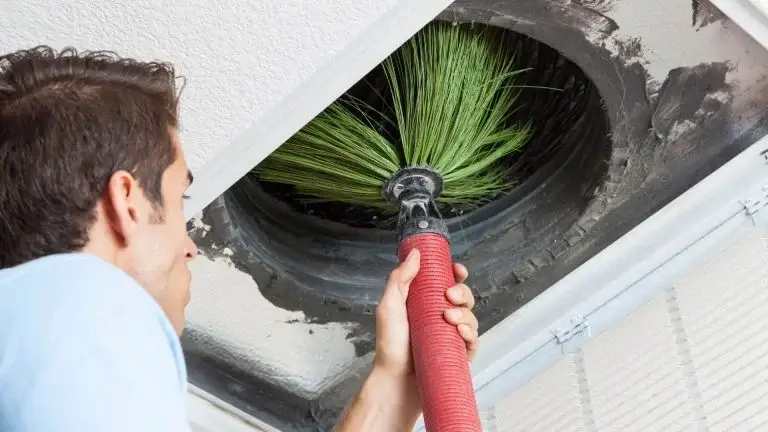
These are long tools with bristles or soft whipping ends. They scrub the inside walls of ducts to loosen stuck-on dust. Picture a bottle brush cleaning the inside of a narrow vase—that’s the same idea, just on a larger scale.
Some brushes spin, while others move back and forth. Both are designed to knock debris loose without tearing the duct material.
Flexible Rods
Flexible rods connect to brushes and extend their reach. You can add sections one by one, like snapping together pieces of a toy. This allows the brush to travel far into the duct system, even around corners.
Air Blowers
Air blowers use bursts of air to push debris toward an opening where it can be collected. Think of blowing crumbs off a table, only more controlled and powerful.
Collection Devices
Once dirt is loosened, it needs somewhere to go. This is where collection tools come in, including the air duct cleaning vacuum, which pulls debris out instead of letting it float around the house.
How These Tools Work Together
Cleaning ducts isn’t about one magic tool. It’s about teamwork.
First, brushes or agitators loosen the dirt stuck to the duct walls. Next, air pressure or suction pulls that debris toward a central collection point. Finally, it’s removed from the system altogether.
It’s similar to sweeping a floor and then vacuuming. Sweeping loosens and gathers the dirt, and vacuuming removes it completely.
Manual Tools vs. Powered Tools
Air duct cleaning tools generally fall into two categories: manual and powered.
Manual Tools
Manual tools rely on arm movement. You push, pull, and twist them by hand. They’re simpler and usually cheaper, making them popular for light cleaning or small systems.
The downside is that they require more effort and may not reach as deeply or clean as thoroughly.
Powered Tools
Powered tools use motors or air pressure to do the hard work. Brushes spin automatically, and suction is stronger. These are often used by professionals but are also available for homeowners who want a deeper clean.
They’re faster and more effective, but they also cost more and require careful handling.
Are These Tools Safe for All Duct Types?
Most modern tools are designed to be gentle, but not all ducts are the same.
- Metal ducts are sturdy and handle most tools well.
- Flexible ducts are softer and need gentler brushes.
- Older ducts may be fragile and require extra care.
Using the wrong tool is like using a wire brush on a soft sponge—it can do more harm than good. Matching the tool to the duct type is essential.
Signs Your Air Ducts Might Need Cleaning
You don’t need special equipment to notice the clues. Common signs include:
- Dust blowing out of vents when the system starts
- A musty smell that doesn’t go away
- Allergy symptoms improving when you’re outside but worsening indoors
- Uneven airflow between rooms
These signs don’t always mean ducts are dirty, but they’re worth paying attention to.
DIY Cleaning vs. Professional Cleaning
Many people wonder whether they should clean ducts themselves or hire a professional.
DIY Cleaning
DIY tools can handle light maintenance, especially near vent openings. They’re good for homeowners who like hands-on projects and want to reduce surface-level dust.
However, most home tools can’t reach every part of a full duct system.
Professional Cleaning
Professionals use stronger equipment and have experience navigating complex duct layouts. They’re better suited for deep cleaning, especially in larger homes or systems that haven’t been cleaned in years.
A good comparison is washing your car at home versus taking it to a detailing shop. Both help, but one goes much deeper.
How Often Should Air Ducts Be Cleaned?
There’s no need to clean ducts every year in most homes. A general guideline is every few years, unless there are special circumstances like:
- Recent renovations
- Pets that shed heavily
- Residents with allergies or asthma
- Water damage or mold concerns
Over-cleaning isn’t helpful, but ignoring ducts forever isn’t wise either.
Common Myths About Air Duct Cleaning Tools
Let’s clear up a few misunderstandings.
- Myth: Cleaning ducts always improves health.
- Reality: It can help reduce irritants, but it’s not a cure-all.
- Myth: All dust comes from dirty ducts.
- Reality: Dust also comes from daily living—clothes, furniture, and people.
- Myth: Any vacuum can clean ducts.
- Reality: Regular vacuums lack the power and attachments needed for deep duct cleaning.
What to Look for When Choosing Tools
If you’re considering buying tools, keep these points in mind:
- Length and flexibility to reach far into ducts
- Soft bristles for delicate duct materials
- Strong suction capability
- Clear instructions and safety guidelines
Buying the cheapest option isn’t always the best move. Quality tools last longer and work better.
The Bigger Picture: Clean Ducts and Home Comfort
Clean ducts won’t magically solve every air quality issue, but they play a supporting role. When air moves freely, heating and cooling systems work more efficiently. Rooms feel more comfortable. Dust settles more slowly.
Think of it like cleaning your glasses. The world doesn’t change, but everything looks clearer.
Conclusion
Air duct cleaning tools exist for a simple reason: to help remove what doesn’t belong inside your home’s air pathways. Dust and debris build up slowly, out of sight, and can affect comfort over time.
By understanding what these tools do and how they work, homeowners can make smarter choices. Whether you handle light cleaning yourself or call in professionals with powerful equipment, the goal is the same—cleaner air moving through your home.
When ducts are clear, your system breathes easier, and so do you.
Frequently Asked Questions (FAQ)
1. Do air duct cleaning tools really make a difference?
They can help remove built-up dust and debris, which may improve airflow and reduce indoor dust.
2. Can I clean my air ducts myself?
You can handle light cleaning near vents, but deep cleaning usually requires professional-grade tools.
3. How long does air duct cleaning take?
For professionals, it often takes a few hours, depending on home size and duct layout.
4. Is air duct cleaning messy?
When done properly with the right tools, debris is contained and doesn’t spread through the house.
5. Will clean ducts lower my energy bills?
They can help your system run more smoothly, which may reduce unnecessary energy use over time.