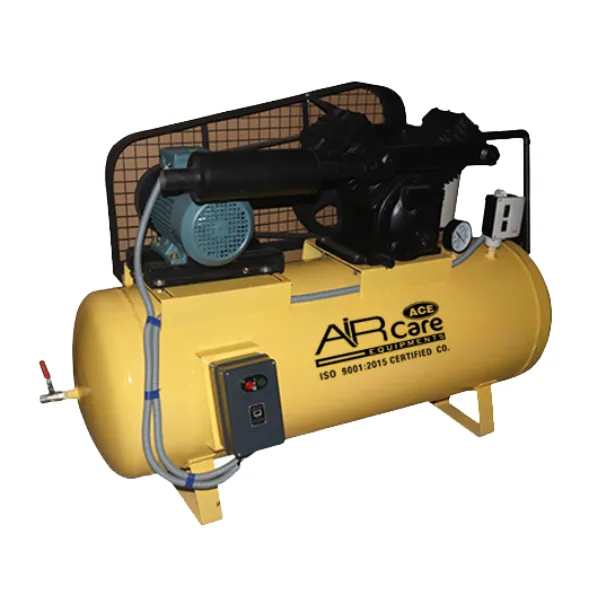
Air Compressor Manufacturers: Types, Spare Parts and Industrial Solutions
Choosing the right compressed air equipment is important for maintaining productivity, improving efficiency, and reducing unexpected downtime. Industries such as automotive, pharmaceuticals, food processing, packaging, and manufacturing depend on compressed air for daily operations. Selecting reliable air compressor manufacturers helps businesses find equipment that matches their pressure, airflow, and operating requirements.
Before purchasing a compressor, it is important to understand the available compressor technologies, essential spare parts, and supporting equipment. Air Care Equipment provides compressed air solutions for a range of industrial and commercial applications.
What Do Air Compressor Manufacturers Provide?
Air compressor manufacturers design and supply machines that convert power into compressed air. Depending on the application, their product range may include reciprocating compressors, rotary screw compressors, oil-free compressors, and high-pressure compressors.
Many industrial suppliers also offer supporting equipment, including air receiver tanks, compressed air dryers, filters, and pressure regulators.
When comparing manufacturers, businesses should consider more than the purchase price. Important factors include product quality, energy efficiency, technical specifications, maintenance requirements, spare parts availability, and after-sales support.
A reliable supplier can help you identify equipment that meets your production needs and supports long-term operation.
Types of Air Compressors Used in Industries
Understanding the different types of air compressors helps buyers select suitable equipment for their applications. Each compressor design has specific advantages.
1. Reciprocating Air Compressor
A reciprocating compressor uses a piston moving inside a cylinder to compress air. It is commonly used in workshops, garages, small factories, and applications that require intermittent air supply.
These compressors are available in different horsepower ratings and pressure ranges. They can be suitable for businesses that need compressed air for tools, maintenance work, and selected production activities.
2. Rotary Screw Air Compressor
A rotary screw compressor uses rotating screw elements to compress air continuously. It is widely used in manufacturing plants and industrial facilities that require a steady supply of compressed air.
These compressors can support applications such as packaging, automotive production, engineering, and textile manufacturing. Selecting the correct capacity is important for maintaining efficiency and avoiding unnecessary energy consumption.
3. Oil-Free Air Compressor
Oil-free compressors are designed for applications where oil contamination must be controlled. They can be useful in pharmaceutical production, food processing, laboratories, and other industries with specific air purity requirements.
Buyers should verify the required air quality and relevant standards before choosing an oil-free model.
4. High-Pressure Air Compressor
High-pressure compressors supply air at pressures required for specialised industrial processes. Common applications include PET bottle blowing, pressure testing, and certain pneumatic operations.
The compressor must be selected according to the required working pressure, airflow, and operating conditions.
Why Air Compressor Spare Parts Matter
Regular servicing and timely replacement of worn components help keep a compressed air system operating efficiently. Understanding an air compressor spare parts list makes it easier to plan maintenance, identify replacement requirements, and reduce unexpected downtime.
Common compressor spare parts include:
- Air filters: Help prevent dust and other particles from entering the compressor.
- Oil filters: Used in oil-lubricated compressors to remove contaminants from the lubricating oil.
- Air-oil separators: Separate oil from compressed air in compatible oil-injected screw compressors.
- Piston rings: Help maintain sealing and compression in reciprocating compressors.
- Valves: Control air intake and discharge in applicable compressor designs.
- Belts and pulleys: Transfer mechanical power in belt-driven models.
- Bearings: Support rotating components and help reduce friction.
- Gaskets and seals: Help prevent leakage at joints and connections.
- Pressure switches and sensors: Monitor pressure and support system control.
- Cooling components: Help manage operating temperatures.
The exact parts required depend on the compressor type, model, and manufacturer. Always check the equipment manual and use compatible replacement components.
How to Maintain an Air Compressor
Preventive maintenance helps protect equipment, maintain performance, and extend its service life.
Inspect Filters Regularly
Dirty or blocked filters can restrict airflow and affect compressor performance. Inspect and replace them according to the manufacturer's recommended schedule.
Check for Air Leaks
Leaks in pipes, hoses, fittings, and connections waste compressed air and increase operating costs. Routine leak checks can help improve system efficiency.
Monitor Operating Temperature
Excessive heat can indicate ventilation problems, cooling issues, or insufficient maintenance. Keep the compressor room properly ventilated and follow the manufacturer's operating instructions.
Replace Worn Components
Use the correct spare parts for the specific compressor model. Replacing worn components at the recommended intervals can help prevent breakdowns.
Maintain Supporting Equipment
Dryers, filters, receiver tanks, and condensate drains also need regular inspection. A compressor system performs best when all its components are maintained properly.
The Role of Water Chillers in Industrial Applications
Water chillers are used to remove heat from industrial equipment and processes. They circulate chilled water or another suitable fluid to help maintain the required operating temperature.
Industries may use chillers for plastic processing, manufacturing machinery, laser equipment, and other temperature-sensitive applications. In compressed air installations, a chiller may also be required for a particular cooling process, depending on the system design.
Businesses comparing water chiller manufacturers should evaluate cooling capacity, operating temperature range, energy efficiency, water flow requirements, maintenance needs, and technical support.
Choosing the right chiller helps maintain stable process temperatures and can protect equipment from overheating. The required capacity should be calculated according to the actual heat load rather than selected by guesswork.
How to Choose the Right Industrial Equipment Supplier
Before selecting an air compressor manufacturer or industrial equipment supplier, consider the following factors.
Application requirements: Identify the equipment that will use compressed air and determine its airflow and pressure needs.
Product range: Check whether the supplier offers a suitable compressor and compatible supporting equipment.
Technical assistance: Choose a supplier that can explain equipment specifications, installation needs, and maintenance requirements.
Spare parts availability: Access to compatible replacement parts can reduce downtime during servicing.
Energy efficiency: Compare expected power consumption and operating costs over the equipment's service life.
After-sales support: Consider service availability, maintenance guidance, and technical assistance.
These checks help businesses make informed purchasing decisions and select equipment that fits their operating requirements.
Why Choose Air Care Equipment?
Air Care Equipment offers compressed air solutions for industrial and commercial applications. Businesses can evaluate their requirements based on airflow, pressure, air quality, operating hours, and installation conditions before selecting suitable equipment.
From understanding compressor types to planning maintenance and identifying supporting equipment, making the right choices can help improve system reliability and operational efficiency.
Conclusion
Choosing suitable air compressor manufacturers is an important step in building a reliable compressed air system. Understanding the types of air compressors, maintaining a proper air compressor spare parts list, and selecting suitable supporting equipment can help businesses improve performance and control maintenance costs.
Water chillers may also be important for industrial processes that require controlled cooling. By comparing technical specifications, energy efficiency, spare parts availability, and service support, businesses can select equipment that meets their needs.
Contact Air Care Equipment to discuss your compressed air requirements and find a suitable solution for your application.