Current AI Landscape
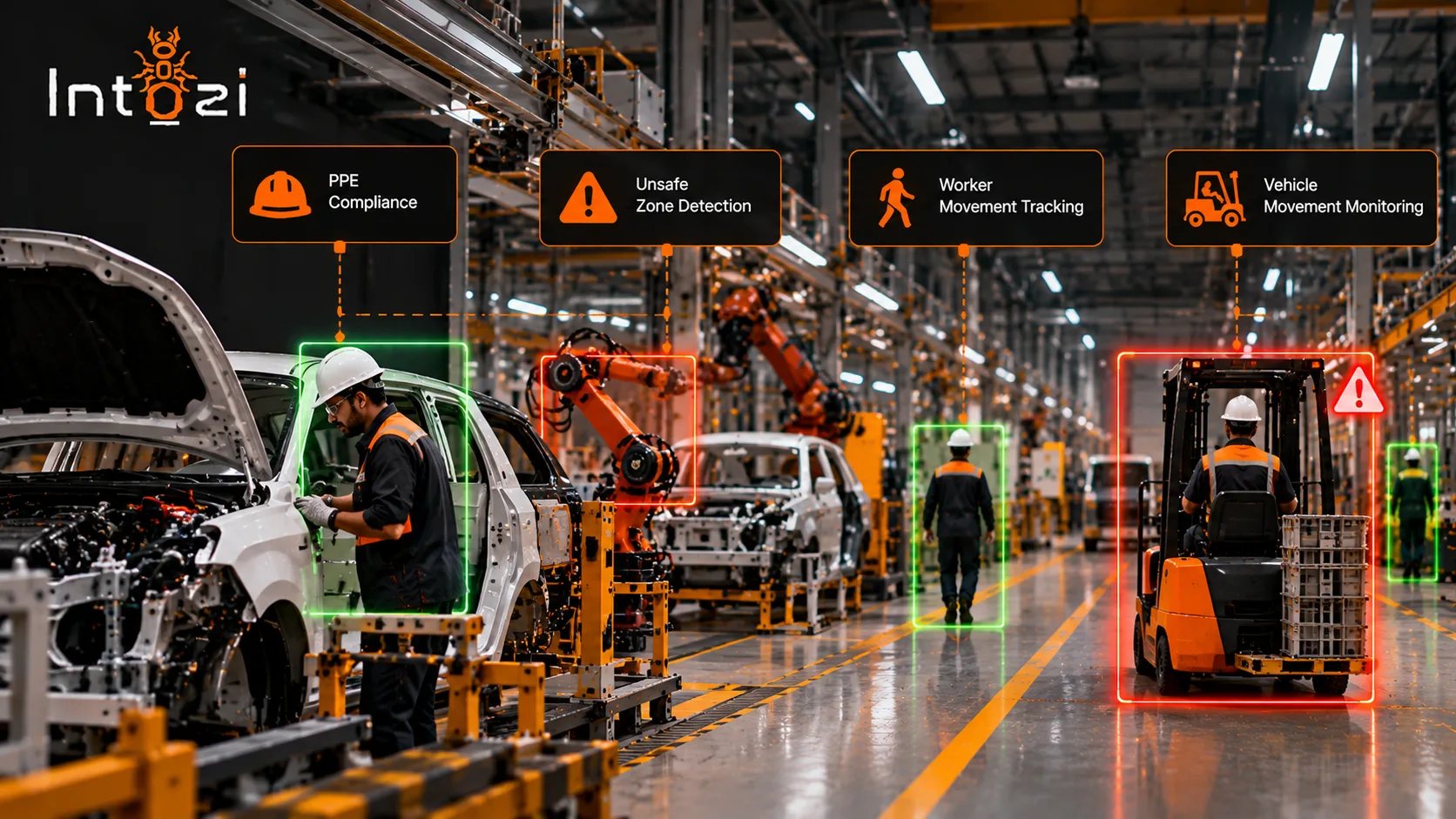
Artificial intelligence applications drive efficiency across industries by processing vast data sets quickly. Machine learning algorithms predict patterns, from traffic flow to personalized recommendations. In 2025, adoption rates surpass 70% in urban areas, fueled by accessible cloud computing.
The rapid evolution of artificial intelligence continues to reshape how people interact with technology in everyday scenarios. Tools like gramhir exemplify how AI enhances user experiences seamlessly from the outset. This article explores practical applications across key areas.
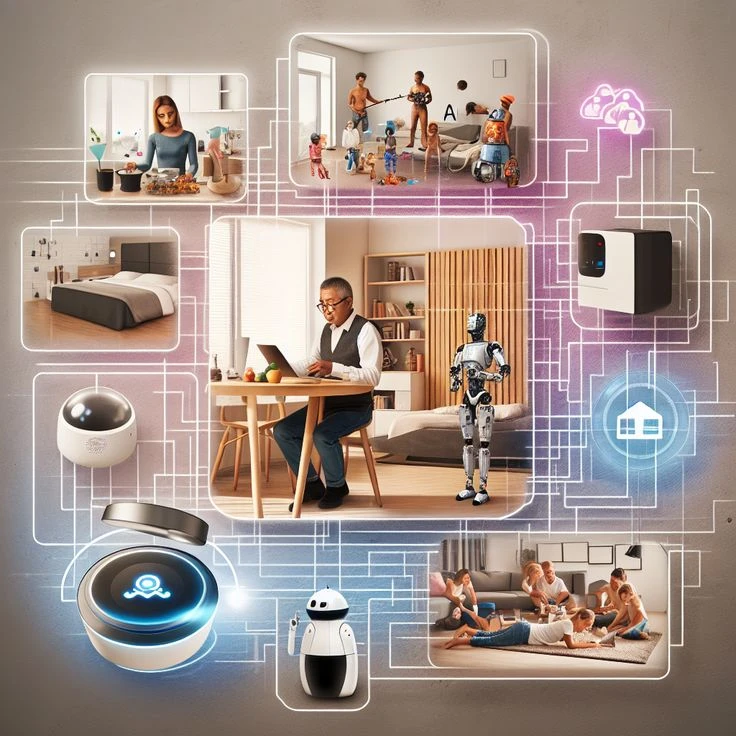
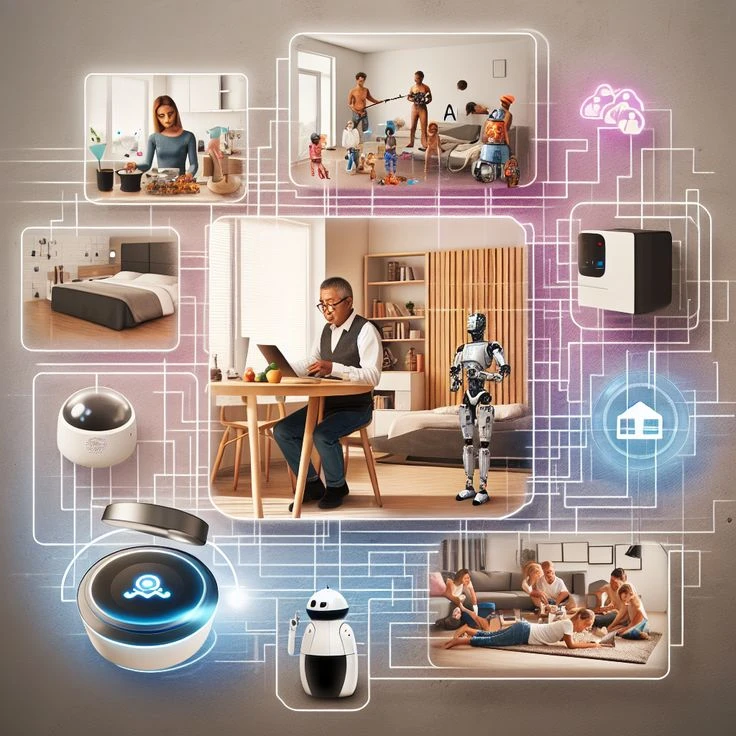
Experts note AI integrates into smartphones and home devices, automating routine tasks. Natural language processing enables voice commands that feel intuitive. Challenges like data privacy persist, but regulations evolve to balance innovation.
AI in Healthcare Innovations
AI healthcare solutions analyze medical images faster than humans, detecting anomalies with 95% accuracy. Predictive models forecast disease outbreaks, aiding resource allocation in hospitals. Wearable devices monitor vitals in real-time, alerting users to irregularities.
Personalized treatment plans emerge from genetic data analysis, improving outcomes for chronic conditions. During pandemics, AI simulates virus mutations to speed vaccine development. Costs drop as routine diagnostics shift to automated systems.
AI Enhancing Education
AI education platforms adapt lessons to individual learning paces, boosting retention by 40%. Virtual tutors provide instant feedback on assignments, available 24/7. Gamified apps engage students in subjects like math and science.
Accessibility improves for remote learners through translated content and speech-to-text features. Teachers gain analytics on class performance to refine methods. Future classrooms blend human instruction with AI support seamlessly.
AI for Productivity Boost
AI productivity tools automate email sorting and scheduling, saving professionals hours weekly. Chatbots handle customer queries, freeing teams for complex issues. Collaborative software predicts project delays using historical data.
Workflow optimization occurs via smart assistants that prioritize tasks based on deadlines. Remote work thrives with AI transcription of meetings and sentiment analysis in communications. Businesses report 25% efficiency gains annually.
AI in Entertainment Trends
AI entertainment creates dynamic storylines in video games, responding to player choices. Recommendation engines on streaming services curate playlists with uncanny precision. Deepfake tech generates realistic visual effects for films.
Music composition aids artists by suggesting harmonies from genre inputs. Virtual concerts feature AI avatars performing alongside humans. User-generated content explodes as tools lower creation barriers for amateurs.
Future AI Developments
Future AI promises quantum computing integration for unsolvable problems today. Edge AI processes data on devices, reducing latency for autonomous vehicles. Ethical frameworks guide development to minimize biases.
Sustainability efforts leverage AI for energy optimization in smart grids. By 2030, widespread neural interfaces could redefine human-computer interaction. Ongoing research ensures equitable access globally.
Conclusion
AI permeates life, from health monitoring to entertainment, delivering tangible benefits. As advancements accelerate, staying informed empowers better adoption. Embrace these technologies for a more efficient tomorrow.
More info too visit theomnibuzz