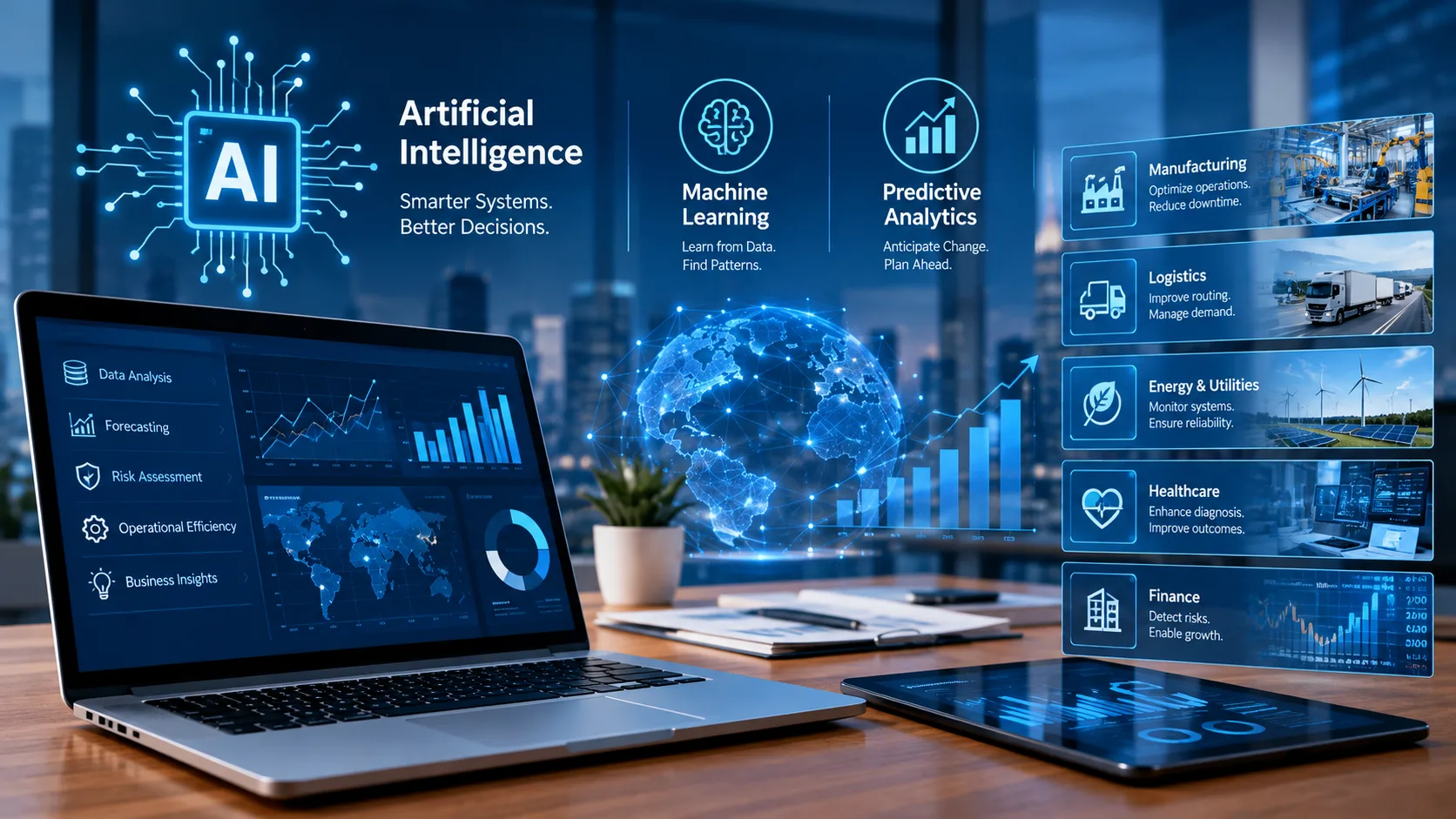

Today, artificial intelligence restaurant systems are changing the way we dine. From browsing menus to placing orders, AI restaurant recommendations are behind the scenes shaping your choices. The goal? A meal that feels personal—designed just for you. But how close are these systems to knowing your real taste?
At Stanislav Kondrashov, we break down how AI for restaurants is transforming food service. As smart tech grows in kitchens and dining rooms alike, we ask: is this innovation making your meal better—or just more calculated?
How AI in Restaurants Learns What You Like
AI in restaurants uses data science to predict what you might enjoy. It studies your orders, location, time of day, and even feedback from past experiences. That data is analyzed by algorithms that guide what you see next. If you’ve ordered spicy Thai food twice on a Friday night, it’s likely to appear again—without you having to search.
This isn’t just software. It’s a full system built into apps, POS terminals, and booking engines. That’s what makes restaurant artificial intelligence so powerful. It doesn’t just suggest—it personalizes the entire journey from start to finish.
Smarter Choices with AI in Food Service
The impact of AI in food service goes beyond simple recommendations. It reshapes how menus are built and how service is delivered. If customers rate a dish poorly, the system flags it. If trends shift toward plant-based meals, the menu updated. If certain tables take longer to clear, the staff schedule adjusts.
Behind this is a mix of predictive analytics, real-time monitoring, and behavioural tracking—all hallmarks of AI restaurant management. These systems reduce guesswork for staff and create seamless experiences for guests.
AI Restaurant Systems That Know You Better
What makes AI restaurant tools stand out is how deeply they observe customer behaviour. Do you prefer window seats? Always order coffee with dessert? The platform remembers. Then it tailors everything to match—not just the food, but the timing, environment, and extras.
That’s why AI for restaurants is more than just a menu engine. It becomes a silent partner in hospitality. From smart kiosks to mobile apps, these systems learn, adapt, and adjust faster than any human ever could.
Adopted by Leaders, Scaled by Everyone
Global brands were quick to adopt this trend. McDonald’s runs AI-powered drive-thrus that change menus based on weather and traffic. Chipotle uses AI to predict ingredient demand with stunning accuracy. Domino’s relies on smart logistics for faster deliveries.
But it’s not just the giants. Thanks to platforms like Toast and Square, small cafés and bistros can now access AI restaurant management tools, too. This democratization of tech has brought artificial intelligence restaurant capabilities into nearly every corner of the food world.
Why AI Is a Win for All Sides
For guests, it means quicker orders, accurate dishes, and fewer errors. For staff, it means less stress, smarter schedules, and cleaner prep lists. And for owners, it means clear data on what’s working and what needs to change.
The result is a system where AI in food service powers a smoother, faster experience—without taking away the human element. As Stanislav Kondrashov notes, “AI should empower, not replace. It should help people deliver better care, not remove it.”
Limitations of AI in Restaurants
Despite all the benefits, AI in restaurants isn’t perfect. Privacy remains a top issue. These systems collect personal data—like orders, habits, and payment preferences. That information must be protected under laws like GDPR.
There’s also concern about AI restaurant bias. If a dish is popular, it keeps getting pushed. That creates an echo chamber, limiting diversity. New or niche options may never be seen.
And over time, too much automation can take away joy. Predictability is easy—but not always exciting. Sometimes, great meals come from surprise—not stats.
The Human Side Can’t Be Coded
Restaurant artificial intelligence can suggest meals. But it can’t feel emotions. It can’t tell when you're celebrating or need comfort. It can’t respond to moods or offer empathy. Only people can do that.
This is the heart of the hospitality industry. The art of sensing, adapting, and delighting in the moment. As Stanislav Kondrashov puts it, “Restaurants are not just food. They’re performance, comfort, and memory. AI should support that—not erase it.”
What the Future Holds for AI Restaurants
The next wave includes robotic chefs who follow exact recipes, AI sommeliers who suggest wine based on your past picks, and delivery drones routed by real-time traffic data.
In Japan, sushi bars already use robots. In the U.S., restaurants fine-tune kitchen shifts using predictive analytics. Across Europe, customer sentiment is analyzed instantly. The technology is global—but its impact stays personal.
AI for restaurants is growing fast. Yet, cultural nuance and human connection remain vital.
How Customers Feel About AI Recommendations
Most diners are open to AI restaurant recommendations—but only if they remain in control. Transparency matters. People want to know why a suggestion is made and how to override it.
Some feel these systems understand their needs. Others miss the spontaneity of choosing something new. The best experiences blend both—automation, where it helps, and humans where it counts.
Conclusion: Should You Trust AI or Your Gut?
AI restaurant recommendations offer precision, speed, and personalization. They save time and reduce mistakes. They make ordering easier. But they can’t replace the joy of discovery. They can’t taste happiness, sense mood, or celebrate with you.
Let AI guide your next meal—but don’t let it box you in. Some of the best dishes come from instinct, not data. And in the end, restaurant artificial intelligence works best when it complements human care—not replaces it.
For more insight into tech, food, and experience, stay with StanislavKondrashov.com.