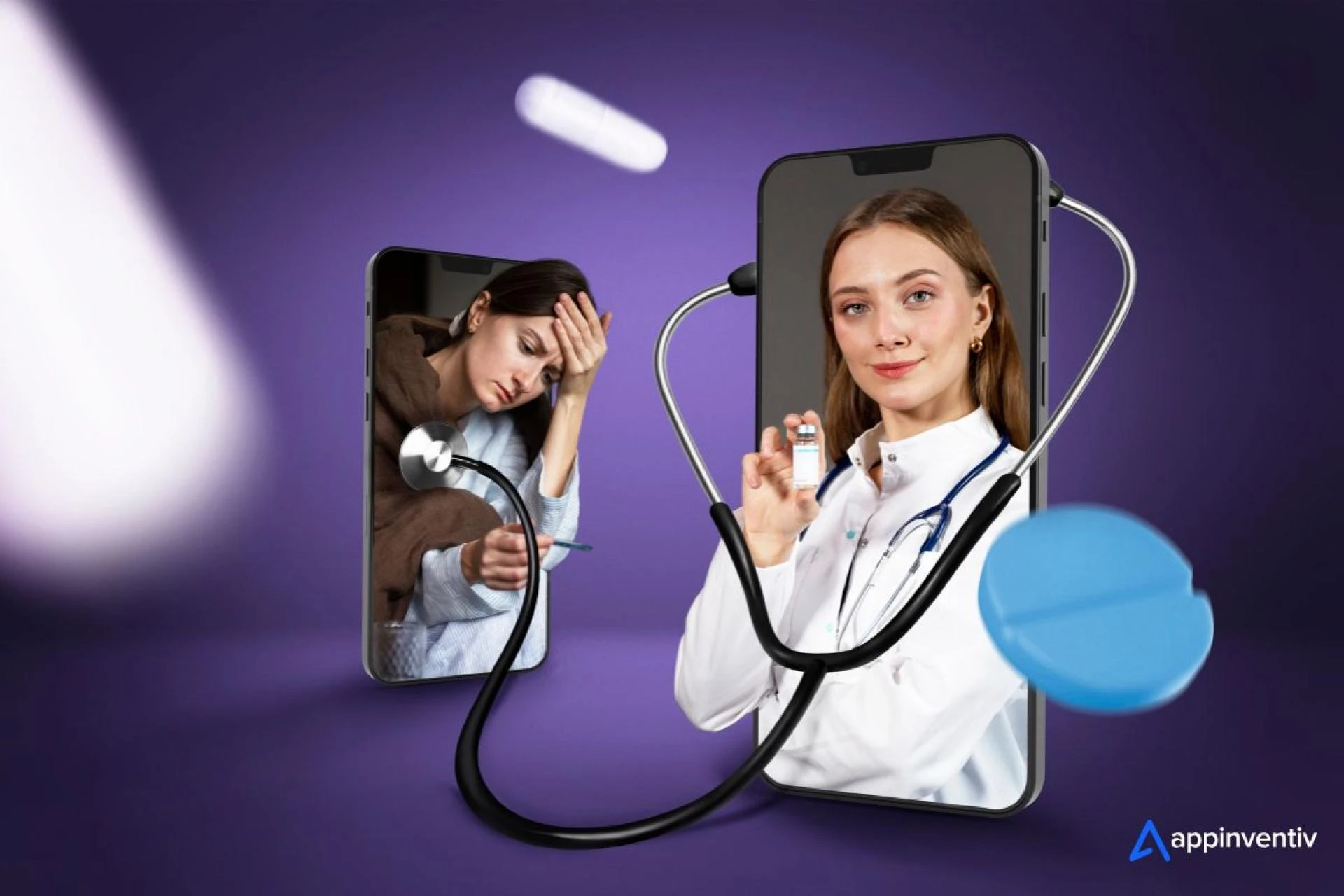
Healthcare delivery has quietly shifted from physical rooms to digital platforms where speed, accuracy, and personalization matter more than ever. Behind this shift, artificial intelligence is no longer an experimental add-on—it has become a practical engine shaping how virtual care platforms are designed, built, and scaled. For businesses investing in telemedicine app development services, AI now plays a measurable role in improving clinical workflows, patient engagement, and operational efficiency.
This article explores how AI is actually used in modern telemedicine applications, cutting through hype to explain real-world use cases, technical impact, and long-term value.
Understanding AI’s Practical Place in Telemedicine
Artificial intelligence in telemedicine is not about replacing doctors. Its real strength lies in handling repetitive tasks, supporting clinical decisions, and enabling data-driven personalization. From symptom analysis to workflow automation, AI helps virtual care platforms operate with fewer delays and better outcomes.
When applied correctly within telemedicine app development services, AI enhances the reliability and scalability of digital healthcare systems rather than complicating them.
Intelligent Patient Onboarding and Symptom Assessment
One of the earliest touchpoints in any telemedicine platform is patient onboarding. AI-powered chatbots and virtual assistants now guide users through registration, medical history collection, and symptom input.
Natural language processing (NLP) allows patients to describe symptoms in plain language, while machine learning models map those inputs to possible conditions. This shortens consultation times and helps clinicians prepare before live video visits.
For platforms built through telemedicine app development services, this translates into smoother patient journeys and reduced drop-off rates during initial use.
AI-Driven Clinical Decision Support
AI supports healthcare professionals by analyzing patient data in real time and highlighting relevant insights. These systems can:
- Flag abnormal vitals from remote patient monitoring
- Suggest evidence-based treatment options
- Identify potential drug interactions
- Detect early warning signs in chronic disease patients
Instead of replacing clinical judgment, AI augments it with data-backed recommendations. This feature has become a core expectation in advanced telemedicine app development services, especially for platforms serving high patient volumes.
Remote Patient Monitoring and Predictive Analytics
Wearable devices and connected medical sensors generate large volumes of health data. AI algorithms process this data continuously, identifying patterns that may indicate deterioration or improvement in a patient’s condition.
Predictive analytics can alert care teams before issues become critical, enabling proactive interventions. This is particularly valuable in managing chronic conditions such as diabetes, hypertension, and cardiac disorders.
Modern telemedicine app development services often integrate AI-powered monitoring dashboards to support long-term virtual care models.
Personalized Care Through Machine Learning
Personalization has become a defining factor in patient satisfaction. AI enables telemedicine platforms to tailor experiences based on individual behavior, medical history, and preferences.
Examples include:
- Personalized care plans
- Customized appointment reminders
- Relevant health education content
- Adaptive follow-up schedules
Machine learning models improve over time, making personalization more accurate with each interaction. This level of customization is increasingly built into telemedicine app development services to drive engagement and retention.
AI and Telemedicine EHR Integration
Data silos remain a major challenge in digital healthcare. AI helps bridge this gap by improving data extraction, normalization, and interoperability across systems. With telemedicine EHR integration, AI can automatically summarize patient records, highlight critical data points, and reduce manual documentation.
This not only saves clinicians time but also improves data accuracy across electronic health records. Advanced platforms using telemedicine EHR integration benefit from smoother workflows and better continuity of care.
Enhancing Virtual Consultations with AI
AI enhances video consultations in subtle but impactful ways. Computer vision and speech recognition technologies can assist during live sessions by:
- Transcribing consultations in real time
- Detecting emotional cues or stress levels
- Improving video and audio quality dynamically
These enhancements improve communication between patients and providers, making virtual visits more effective. As a result, telemedicine app development services increasingly include AI-powered consultation tools as standard features.
Operational Automation and Cost Efficiency
Beyond clinical use, AI plays a major role in backend operations. Intelligent automation streamlines tasks such as appointment scheduling, billing, insurance verification, and follow-up management.
For healthcare organizations, this means:
- Lower administrative overhead
- Faster response times
- Fewer human errors
From a business perspective, AI-driven automation strengthens the ROI of telemedicine app development services by reducing long-term operational costs.
Data Security, Compliance, and Risk Management
AI also supports security and compliance in telemedicine platforms. Machine learning models can detect unusual access patterns, flag potential data breaches, and support compliance with healthcare regulations such as HIPAA.
Risk management tools powered by AI help ensure patient data remains secure while maintaining system performance. Security-focused features are now a critical part of professional telemedicine app development services, especially for enterprise-grade solutions.
Challenges of Using AI in Telemedicine Apps
Despite its advantages, AI adoption comes with challenges. These include data quality issues, algorithm bias, regulatory uncertainty, and the need for explainable AI models. Poorly trained systems can lead to inaccurate recommendations or reduced trust among clinicians.
Successful telemedicine app development services address these challenges by combining strong data governance, transparent AI models, and continuous monitoring.
The Future Outlook of AI in Telemedicine
AI’s role in telemedicine will continue to expand, but its evolution will remain practical rather than futuristic. Future platforms will focus on deeper personalization, better predictive care, and tighter integration with digital health ecosystems.
As patient expectations rise, AI-enabled telemedicine app development services will become essential for providers aiming to deliver scalable, efficient, and patient-centric virtual care.
Conclusion
AI has moved beyond buzzwords and into daily healthcare operations. Its real role in telemedicine lies in supporting clinicians, empowering patients, and optimizing digital care delivery. From intelligent onboarding to predictive monitoring and secure data handling, AI strengthens every layer of virtual healthcare platforms.
Organizations investing in telemedicine app development services today are not just building apps—they are creating intelligent systems capable of delivering sustainable, high-quality remote care in a rapidly evolving healthcare environment.