Personalization has become the most overpromised and underdelivered capability in enterprise experience design.
Despite heavy investments in data, CRM systems, and AI orchestration, most organizations still struggle to deliver interactions that feel truly relevant, timely and human. The issue isn’t lack of technology it’s the architecture behind how experiences are created.
This is where AI-powered video solutions are redefining the landscape.
The Real Problem: Personalization Without Context
Enterprises today operate with fragmented systems attempting to simulate personalization.
What they actually deliver:
- Rule-based messaging
- Segmented campaigns
- Delayed responses
What customers expect:
- Real-time understanding
- Context-aware engagement
- Seamless continuity across touchpoints
Even advanced AI automation systems fail to bridge this gap because they lack situational intelligence.
The result is a critical disconnect—interactions that are technically personalized but experientially irrelevant.
Why It Fails: Static Logic in Dynamic Journeys
Most implementations of AI workflow automation are designed around predictability.
They assume:
- Linear customer flows
- Fixed decision trees
- Predefined user intent
But real-world behavior is anything but linear.
This becomes especially evident in complex ecosystems like ai agents financial services, where user intent shifts rapidly based on context, risk perception, and information asymmetry.
Without adaptive intelligence, even the most advanced systems default to scripted interactions—creating friction rather than fluidity.
Strategic Insight: Video as a Dynamic Interaction Layer
The next evolution of personalization lies not in more data—but in better interfaces.
This is where the video AI platform emerges as a critical layer.
Video enables:
- Emotional resonance
- Contextual storytelling
- Human-like engagement
When combined with agentic AI services, video becomes more than content—it becomes a responsive, intelligent interface.
These systems can:
- Interpret user signals in real time
- Generate adaptive responses
- Deliver interactions that evolve dynamically
This marks a shift toward autonomous customer journeys, where experiences are continuously constructed rather than predefined.
Practical Framework: Building Intelligent Personalization Systems
To move from static personalization to adaptive interaction, enterprises need a structural shift.
1. From Automation to Autonomy
Adopt autonomous ai agents for enterprises capable of:
- Independent decision-making
- Continuous learning
- Cross-channel adaptability
This requires a robust enterprise agentic ai architecture that connects data, intelligence, and experience layers seamlessly.
2. Elevate Video from Content to Capability
Deploy personalized ai video systems that:
- Adjust messaging in real time
- Reflect behavioral and contextual signals
- Scale human-like communication
This transforms video personalization into a core experience driver rather than a marketing add-on.
3. Design for Multimodal Ecosystems
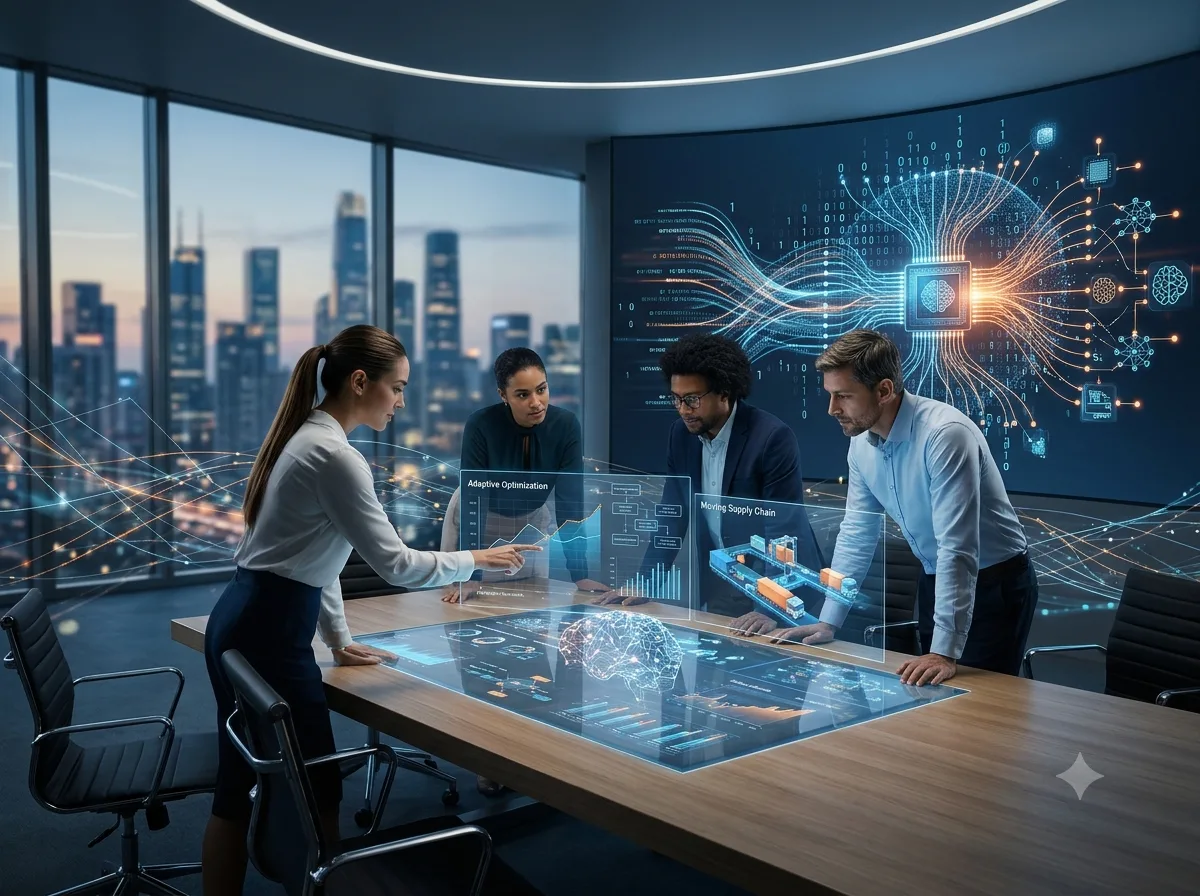
Modern enterprises operate within a phygital ecosystem—where digital and physical interactions intersect.
Using multilingual ai avatar interfaces allows organizations to:
- Deliver culturally adaptive experiences
- Scale across geographies
- Maintain consistency in communication
4. Embed Trust Through Responsible AI
As systems become more autonomous, governance becomes non-negotiable.
Enterprises must integrate:
- agentic ai data protection frameworks
- Transparent decision logic
- Responsible deployment of ethical ai avatars
Trust is no longer a compliance requirement—it is a competitive advantage.
5. Rethink Engagement and Conversion Models
The shift toward intelligent interfaces is redefining how enterprises capture and qualify leads.
The comparison between ai agents vs traditional forms for lead capture highlights a clear transition:
- From static input fields
- To dynamic, conversational interactions
Similarly, the evolution toward autonomy raises strategic questions around ai agents vs prompt engineering 2026, where enterprises must decide between guided inputs and self-directed intelligence.
Realistic Enterprise Example
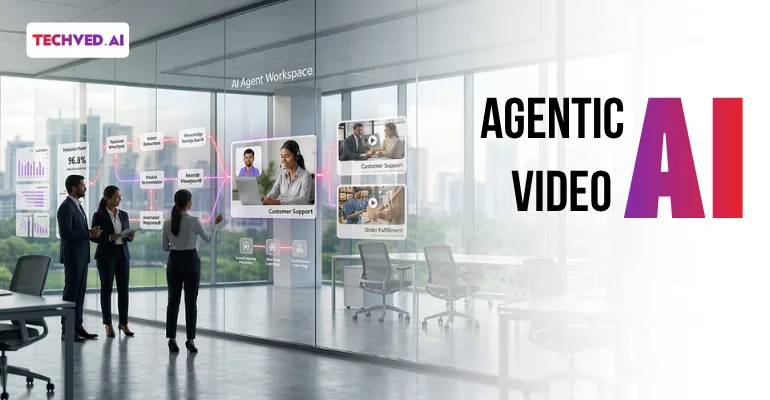
Consider a multinational enterprise deploying agentic video systems for customer onboarding and support.
Instead of traditional workflows:
- Users interact with AI-driven video agents
- Queries are resolved conversationally
- Journeys adapt in real time
The system leverages:
- Behavioral data for contextual responses
- multilingual ai avatar capabilities for global reach
- Built-in compliance aligned with enterprise governance
This is one of many emerging agentic ai business use cases, where engagement is no longer scripted but intelligently generated.
Such implementations demonstrate how agentic ai use cases applications are reshaping enterprise experience strategies at scale.
The Shift: From Personalization to Individualization
We are moving beyond personalization toward true individualization.
In this new paradigm:
- Experiences are not segmented—they are unique
- Journeys are not mapped—they are discovered
- Interfaces are not static—they are adaptive
Video, powered by intelligent systems, becomes the most natural medium to deliver this shift.
For a deeper perspective on how these systems are shaping enterprise experiences, this analysis by TECHVED.AI offers valuable insight:
https://www.techved.ai/blog/agentic-ai-video-ai-autonomous-customer-experience
Conclusion: The Future Is Adaptive, Not Automated
The evolution of customer interaction is no longer about doing more with automation—it’s about doing differently with intelligence.
AI-powered video solutions represent a fundamental shift in how enterprises communicate, engage, and build relationships at scale.
They bridge the gap between machine efficiency and human experience—turning every interaction into a moment of relevance.
At TECHVED, this transformation is being operationalized through integrated experience ecosystems that combine AI, UX, and emerging interaction models.
For organizations navigating this shift, the opportunity is clear: move beyond automation and design systems that think, adapt, and engage.