In today’s fast-paced digital world, businesses are leveraging artificial intelligence (AI) to streamline marketing efforts, boost efficiency, and drive better results. AI-powered marketing tools can automate tasks, personalize customer experiences, and analyze data to optimize campaigns—essentially putting your business growth on autopilot.
What is AI-Powered Marketing?
AI-powered marketing refers to the use of artificial intelligence technologies, such as machine learning, natural language processing (NLP), and predictive analytics, to automate and enhance marketing strategies. These tools can analyze vast amounts of data, predict customer behavior, and execute marketing campaigns with minimal human intervention.
Benefits of AI in Marketing
1. Automation of Repetitive Tasks
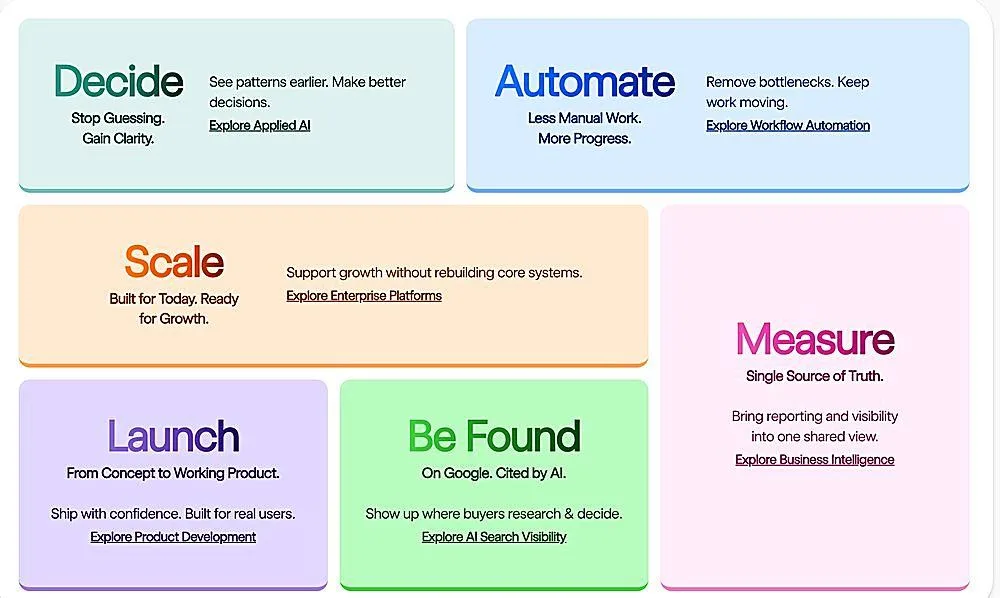
AI eliminates the need for manual work by automating tasks such as email marketing, social media posting, and ad campaign management.
2. Personalized Customer Experiences
AI can analyze customer data to create hyper-personalized content, product recommendations, and targeted ads, improving engagement and conversions.
3. Enhanced Data Analysis and Decision-Making
AI-driven analytics tools provide deep insights into customer behavior, helping businesses make data-driven decisions for better ROI.
4. Optimized Advertising Campaigns
AI can automatically adjust ad placements, bidding strategies, and targeting parameters to maximize ad performance and reduce costs.
5. Improved Customer Service with Chatbots
AI-powered chatbots and virtual assistants can handle customer inquiries 24/7, improving response times and customer satisfaction.
Essential AI Marketing Tools
Here are some AI-powered tools that can help automate and optimize your marketing efforts:
- ChatGPT & Jasper – AI content generation for blogs, ads, and social media posts.
- HubSpot & Marketo – AI-driven marketing automation platforms.
- Adzooma & Albert AI – AI-based advertising and campaign management tools.
- Phrasee & Persado – AI-powered email marketing tools for optimized subject lines and content.
- Drift & Intercom – AI chatbots for customer engagement and support.
How to Implement AI in Your Marketing Strategy
Step 1: Identify Areas for AI Integration
Determine which marketing processes (e.g., content creation, customer support, ad targeting) can benefit from automation.
Step 2: Choose the Right AI Tools
Select AI-powered platforms that align with your business goals and integrate seamlessly with your existing marketing stack.
Step 3: Leverage AI for Data-Driven Insights
Use AI analytics tools to track campaign performance, audience behavior, and customer interactions for continuous improvement.
Step 4: Automate and Optimize Campaigns
Set up automated workflows for email marketing, social media posts, and ad targeting to enhance efficiency.
Step 5: Monitor and Adjust for Better Results
AI is not a set-it-and-forget-it solution. Continuously analyze results and fine-tune your AI strategies for optimal performance.
Delve into the world of AI through https://www.reallusion.com/accupose/