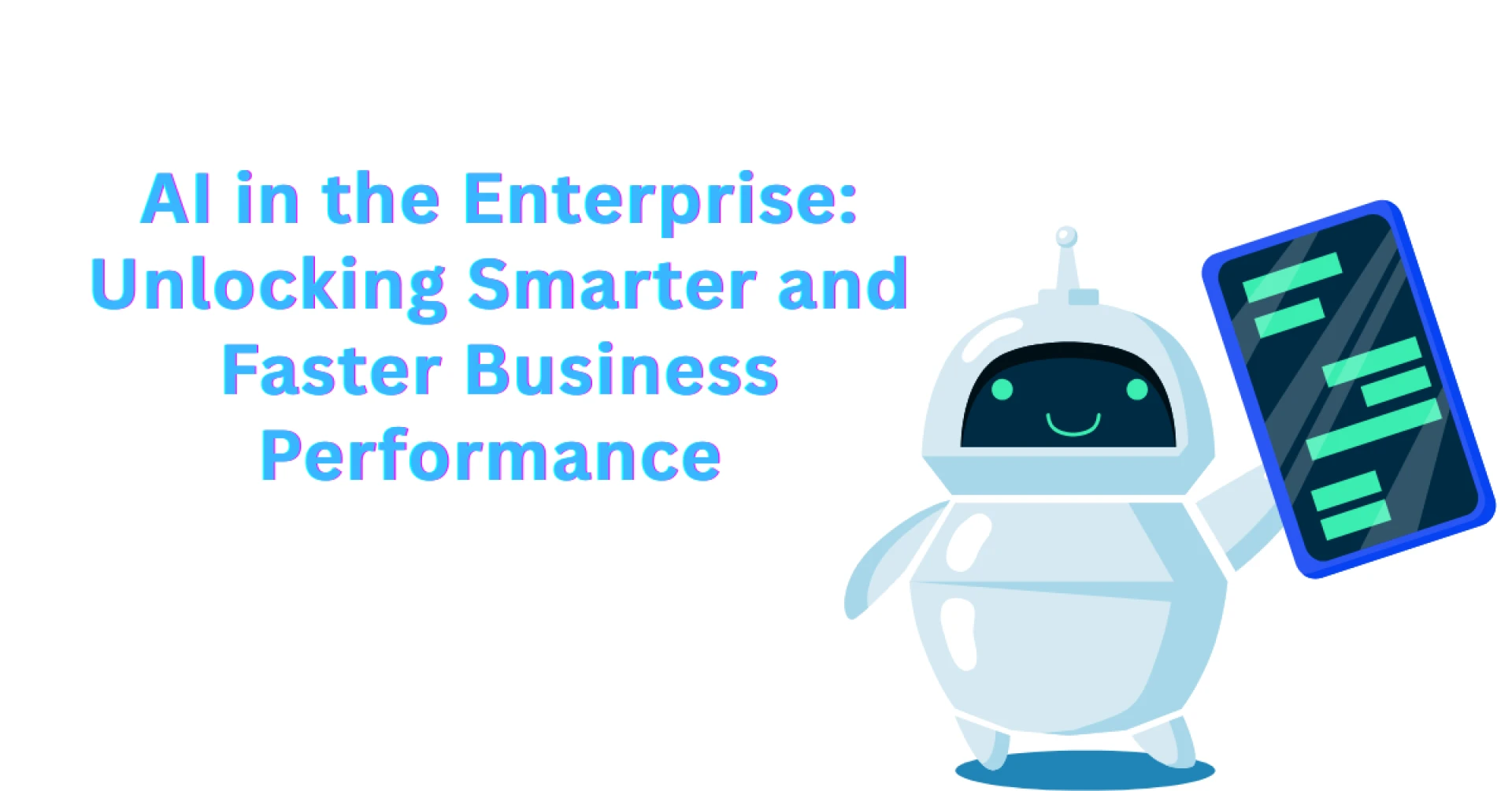
Artificial Intelligence (AI) is now not only a buzzword; it’s a transformative pressure reshaping how enterprises operate, compete, and innovate. For modern businesses, the real advantage lies no longer in adopting AI but in the usage of it strategically to power productivity, efficiency, and agility. This is where AI in the Enterprise: Unlocking Smarter and Faster Business Performance comes into play.
Businesses today are flooded with massive quantities of records, complex decision-making needs, and rising customer expectations. To live competitively, businesses need to leverage technology that streamline operations and fuel innovation. Enterprise AI offers the right solution, combining device gaining knowledge of, predictive analytics, and automation to supply smarter insights and quicker execution.
Why Are Enterprises Embracing AI?
The adoption of AI in establishments is no longer non-obligatory—it’s a necessity. But why?
- Data-Driven Decisions: Enterprises generate terabytes of information every day. AI-driven selection-making enables turning these raw data into actionable insights.
- Efficiency at Scale: Through AI-powered automation, routine duties can be dealt with quickly and with fewer mistakes.
- Personalized Customer Experience: Machine learning fashions permit organizations to understand client behavior, supplying personalized tips and support.
- Competitive Advantage: Enterprises that adopt AI early often lead markets, paving the way to smarter forecasting and agile execution.
Simply put, AI within the Enterprise Unlocking Smarter and Faster Business Performance isn’t just a phrase—it’s a truth shaping how successful businesses operate nowadays.
The Role of AI in Digital Transformation
Digital transformation has come to be a cornerstone of company growth, and AI is at the heart of this change. Enterprises adopting AI see it as a device to modernize infrastructure, streamline workflows, and create new possibilities.
For example:
- AI-powered business intelligence allows organizations to identify marketplace tendencies earlier than competitors.
- Predictive analytics enables agencies to manipulate supply chains, anticipate client needs, and save you from operational bottlenecks.
- Natural Language Processing (NLP) complements customer service by way of powering chatbots and virtual assistants that are to be had 24/7.
Thus, AI inside the enterprise, unlocking smarter and faster business performance, directly ties into virtual transformation via accelerating innovation and decreasing inefficiencies.
Practical Applications of Enterprise AI
The handiest manner to apprehend AI’s ability is to see its actual global packages in companies:
1. Customer Experience Enhancement
Enterprises use AI-pushed personalization to improve consumer experience. From tailored purchasing suggestions to clever assist structures, AI guarantees customers feel valued and understood.
2. Supply Chain Optimization
AI improves call forecasting, reduces downtime, and optimizes logistics. By the use of system learning in corporations, agencies can expect disruptions and respond proactively.
3. Financial Forecasting and Risk Management
AI-powered fashions permit finance teams to detect fraud, reduce risks, and make correct predictions, ensuring smarter economic planning.
4. Human Resource Management
AI-powered automation facilitates HR groups in candidate screening, worker engagement evaluation, and groups of workers making plans. This results in quicker hiring and stepped-forward retention.
5. IT Operations and Cybersecurity
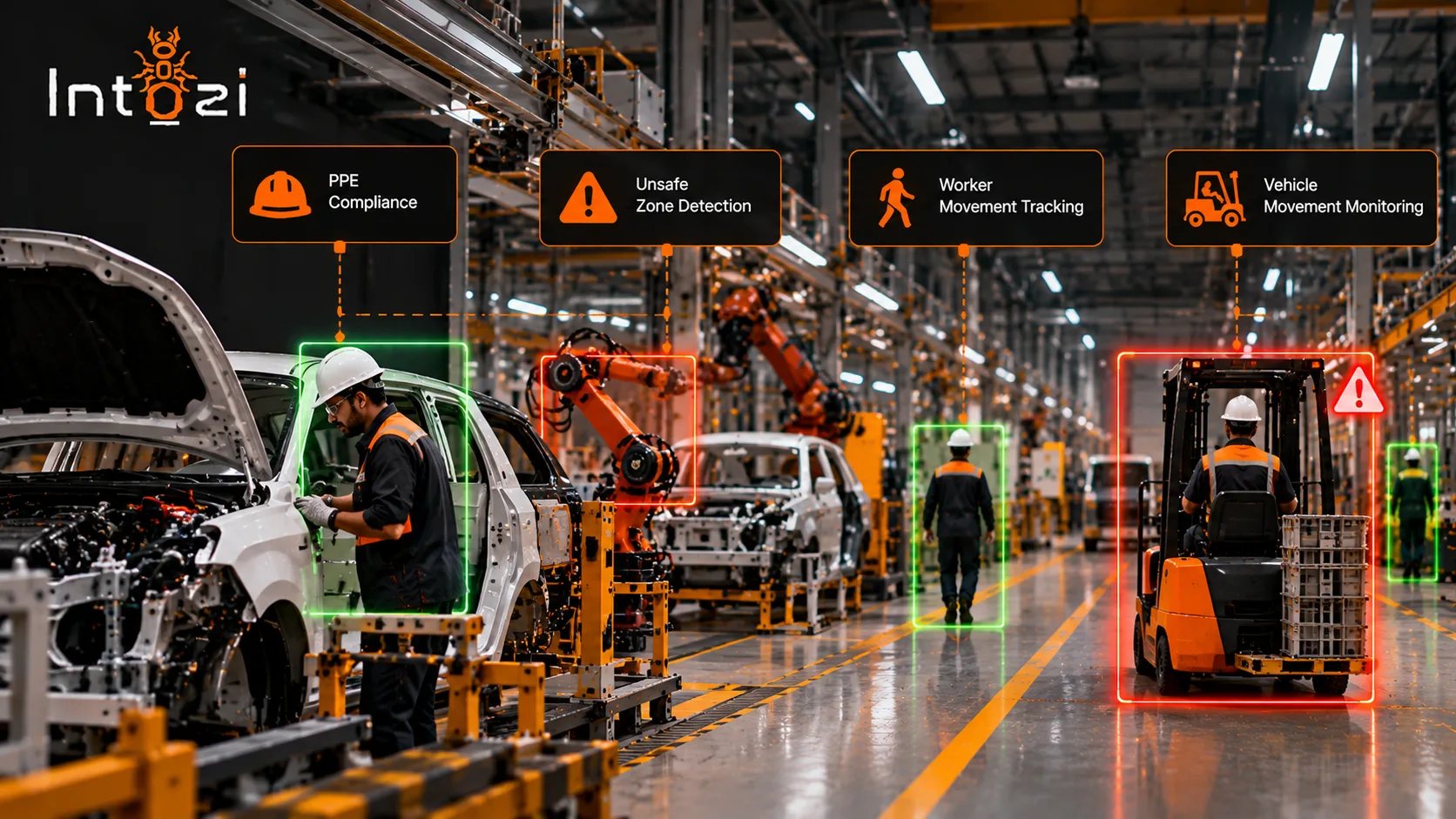
Enterprises install AI for proactive device tracking, detecting anomalies earlier than they notice breakdowns, and protecting against cyber threats in real time.
These packages illustrate how AI inside the enterprise, unlocking smarter and faster business performance, is greater than a concept—it’s sensible, measurable, and a commercial enterprise-crucial.
Smarter Decision-Making with AI
Enterprises thrive on selections—massive and small. From launching new merchandise to allocating budgets, every decision is subjective. But choices can be best made as precisely as the data backing them.
This is where AI-pushed selection-making excels. By analyzing established and unstructured statistics, AI offers deeper insights more quickly than human groups ever could. Instead of waiting weeks for reviews, decision-makers can get access to dashboards in real time, assisting them in responding with agility.
Imagine an organization adjusting its advertising campaigns right away, primarily based on patron behavior traits, or a manufacturer recalibrating delivery chains before shortages occur.
Overcoming Challenges in Enterprise AI Adoption
While the blessings are plain, firms also face demanding situations in adopting AI. These include:
- Data Silos: Many organizations struggle to consolidate information scattered across departments.
- High Implementation Costs: Setting up agency AI calls for investment in infrastructure and talent.
- Change Resistance: Employees can also worry about AI as an activity threat, as opposed to a tool for productivity.
- Ethical and Compliance Concerns: Data privacy, bias in algorithms, and regulatory frameworks pose hurdles.
To be successful, organizations have to view AI no longer as an alternative to human skills but as an enabler. The smartest method is integrating AI with a human-targeted technique, ensuring both era and people work together pleasantly.
Future Trends of Enterprise AI
The future of employer AI seems enormously promising. Here are key traits shaping what’s ahead:
- AI-Powered Hyper Automation: Extending past RPA (Robotic Process Automation), organizations will integrate AI for up-to-the-minute method automation.
- Edge AI: Real-time decision-making closer to where information is generated will lessen latency and enhance outcomes.
- AI and Cloud Synergy: Enterprises will increasingly depend upon cloud structures to deploy scalable AI solutions.
- Explainable AI (XAI): Transparency in algorithms becomes crucial for building consideration amongst clients and regulators.
- AI-Augmented Workforce: Far from replacing jobs, AI will increase human abilities, growing a wiser, more agile workforce.
As those behaviors evolve, AI in Enterprise will stay a critical motive force of growth and innovation.
Best Practices for Enterprises Implementing AI
For companies equipped to include AI, right here are pleasant practices to ensure success:
- Start Small, Scale Fast: Begin with pilot projects before rolling AI solutions organization-wide.
- Invest in Talent: Upskill personnel to work with AI structures.
- Ensure Data Quality: AI results are most effective and reliable because of the data feeding them.
- Adopt an Agile Approach: Use iterative cycles to refine AI answers constantly.
- Collaborate with Experts: Partner with skilled organization AI solution vendors to reduce risks and accelerate ROI.
Following these steps ensures that companies don’t just put AI into effect but unleash its proper capacity.
Final Thoughts
By leveraging employer AI answers, organizations can automate techniques, make better decisions, and provide exceptional patron experiences. Challenges remain; however, with a strategic, human-centered approach, AI will become an associate in development in preference to a disruption.
The smarter, faster future of enterprise is here, driven by AI innovation. Businesses that act today will gain the competitive edge of tomorrow. With Sapphire Software Solutions, you can harness enterprise AI to transform operations, enhance decision-making, and achieve sustainable growth.