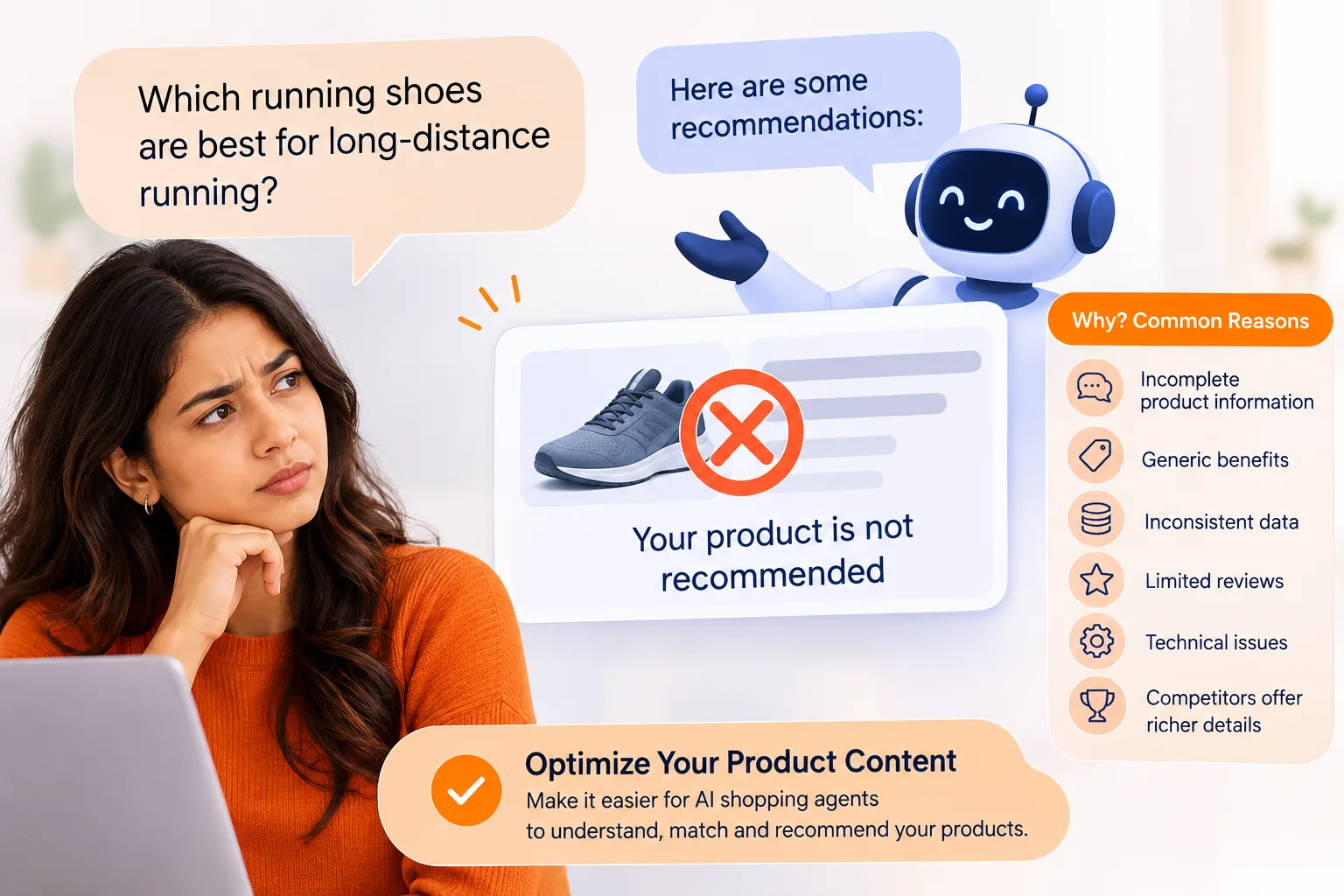
Customer expectations are evolving as AI-powered conversations become an essential part of digital interactions. People expect quick responses, relevant information, and reliable assistance whenever they need support. However, chatbots that provide incorrect answers, misunderstand questions, or fail to resolve customer concerns can quickly damage a business's reputation. This makes AI Chatbot Development more than simply automating conversations. Businesses need intelligent chatbot solutions that understand customer intent, communicate naturally, protect personal information, and provide consistent assistance.
Building customer trust requires a combination of conversational intelligence, transparency, security, and continuous improvement. Instead of focusing only on response speed, businesses should develop chatbots that genuinely understand customer requirements and provide helpful solutions throughout every interaction.
Why Customer Trust Matters in AI Chatbot Interactions
Customer trust plays an important role in determining how people interact with AI chatbots. When customers receive accurate information and helpful responses, they become more comfortable using automated support. However, repetitive answers, misleading information, and unresolved queries can create frustration and reduce confidence in chatbot interactions. A chatbot should consistently deliver useful assistance rather than simply respond to every message.
Businesses must ensure their chatbots provide dependable assistance throughout the customer journey. Transparency also matters because customers should understand when they are communicating with an AI assistant. By prioritizing reliability, clear communication, and consistent responses, businesses can create chatbot experiences that encourage customer engagement and long-term confidence.
Delivering Accurate and Context-Aware Responses
Providing accurate answers is fundamental to building a chatbot that customers can trust. A chatbot should understand what customers are asking and deliver information that directly addresses their requirements. Generic responses and irrelevant suggestions can make conversations confusing and reduce the usefulness of automated assistance. Natural Language Processing (NLP), well-organized knowledge bases, and Large Language Models (LLMs) help chatbots understand user intent and generate relevant responses.
Retrieval-Augmented Generation (RAG) can further improve response quality by retrieving information from approved business documents and knowledge sources before generating answers. Context awareness is equally important. Chatbots should understand previous messages, remember relevant conversation details, and maintain continuity throughout interactions. This helps customers receive meaningful answers without repeatedly explaining their concerns.
Creating Natural and Human-Like Conversations
Customers prefer conversations that feel comfortable rather than interactions restricted by predefined responses. A chatbot should understand different ways of expressing questions, recognize conversational intent, and respond in clear and natural language. Advanced NLP techniques and generative AI enable chatbots to interpret complex messages and produce contextually relevant responses.
Businesses can also incorporate multilingual support, personalized greetings, and conversational memory to make interactions more engaging. However, creating human-like conversations should not come at the expense of transparency. Customers should know when they are interacting with an AI assistant. Combining natural communication with honest identification helps businesses create comfortable and trustworthy chatbot experiences.
Protecting Customer Data and Conversation Privacy
Customers often share personal information, account details, and sensitive queries while interacting with chatbots. Therefore, protecting conversation data is essential for maintaining customer confidence. Businesses must ensure that chatbot systems follow appropriate security practices throughout information collection, processing, and storage. Implementing data encryption, secure authentication, access controls, and suitable data retention policies helps reduce privacy risks.
Chatbots should collect only the information necessary to complete customer requests. Clear privacy policies must explain how conversations and personal information are handled. Regular security assessments and system monitoring further help identify vulnerabilities. By making data protection an essential part of chatbot development, businesses can create safer interactions and strengthen customer confidence.
Knowing When to Transfer Conversations to Human Agents
Although AI chatbots can handle numerous customer queries, some situations require human assistance. Complex complaints, sensitive requests, payment-related concerns, and unusual customer problems may be difficult for automated systems to resolve independently. An intelligent chatbot should recognize its limitations and transfer conversations to human agents whenever additional attention is necessary.
The transition should be smooth, with relevant conversation history shared with the support team so customers do not need to repeat their concerns. Businesses can establish escalation workflows based on customer intent, conversation complexity, and unresolved queries. Combining automated assistance with human support ensures customers receive appropriate attention while allowing businesses to manage routine interactions efficiently.
Measuring Chatbot Performance and Customer Trust
Building a trustworthy chatbot requires continuous evaluation and improvement. Businesses should regularly analyze chatbot interactions to understand whether their systems are meeting customer expectations. Response accuracy, query resolution rates, customer satisfaction, escalation frequency, and response time provide valuable insights into chatbot performance and the overall quality of customer interactions.
Customer feedback can also reveal common conversation problems, unanswered questions, and areas where responses need improvement. Reviewing these insights helps businesses refine chatbot knowledge bases, improve conversational accuracy, and update workflows according to changing customer requirements. Continuous monitoring ensures that chatbots remain relevant, reliable, and capable of supporting evolving customer expectations.
Why Choose Osiz Technologies for AI Chatbot Development?
Osiz Technologies is a top AI Chatbot Development Company that helps businesses build intelligent chatbot solutions tailored to their customer interaction requirements. We focus on developing chatbots that understand user intent, deliver accurate responses, and support natural conversations. By combining advanced AI technologies with customized development approaches, we create chatbot solutions that address practical business needs.
Our expertise includes natural language processing, intelligent response generation, and customized conversational workflows. We help businesses integrate AI chatbots into their operations to handle customer queries, provide personalized assistance, and improve communication experiences. Partner with Osiz Technologies to build an AI chatbot that earns customer trust and delivers meaningful value to your business.