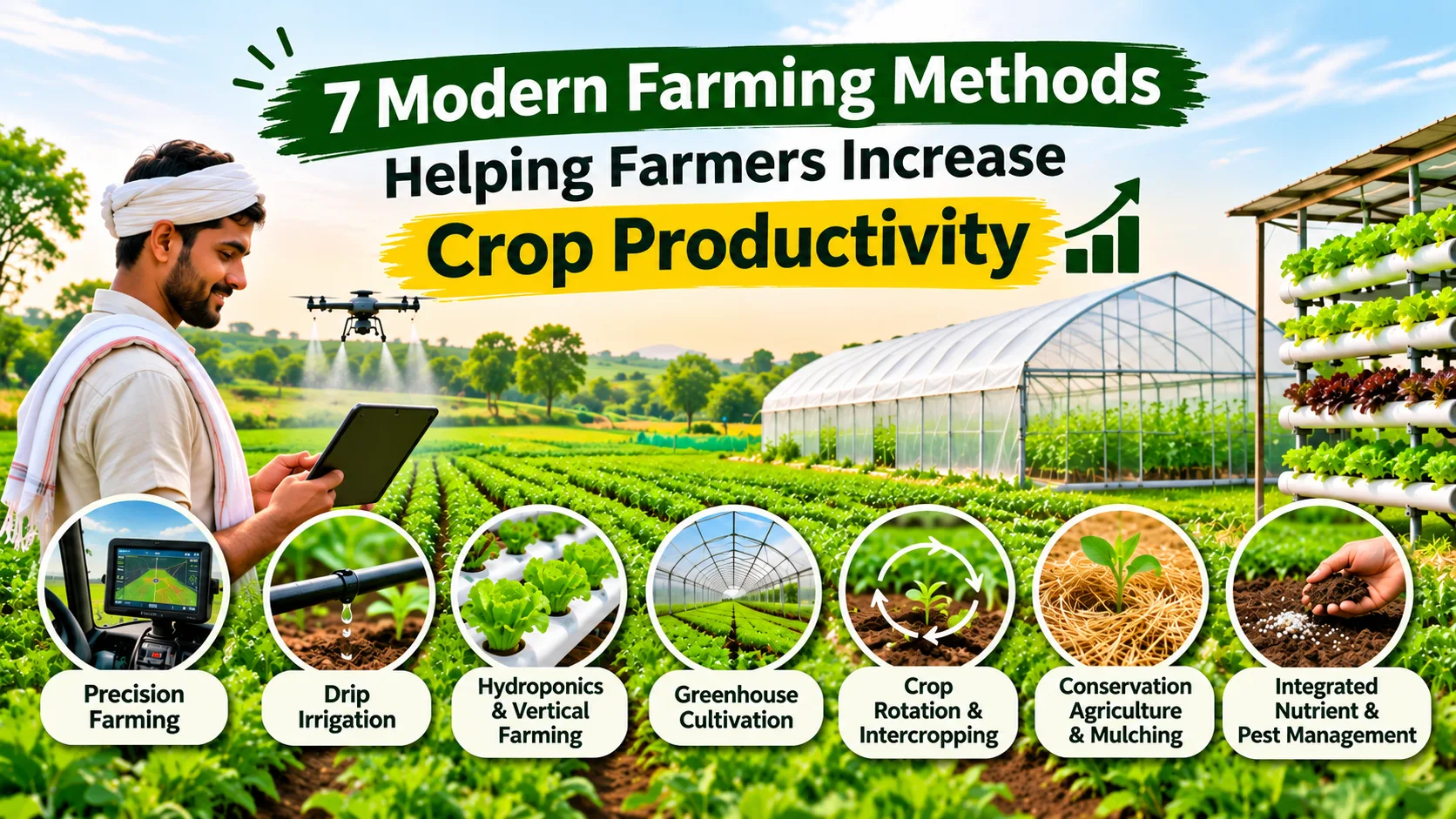
Electricity is essential for modern agricultural activities. Farmers need power for irrigation pumps, water supply systems, grain processing, storage facilities and other equipment. However, increasing energy expenses can make farming operations more expensive. An agriculture solar panel system offers a practical way to generate electricity from sunlight and reduce dependence on conventional energy sources.
With India's growing focus on renewable energy, solar technology is becoming an important part of agricultural development.
What Is an Agriculture Solar Panel?
An agricultural solar panel is a photovoltaic module that converts sunlight into electricity for farming-related applications. These panels can be installed on rooftops, open land or suitable structures to support different agricultural activities.
Depending on the project requirements, solar panels can power irrigation pumps, agricultural machinery, water supply systems and storage facilities.
Farmers can choose between different solar configurations, including on-grid, off-grid and hybrid systems.
Benefits of Agricultural Solar Panels
1. Reduced Electricity Expenses
One of the biggest advantages of installing agricultural solar panels is the opportunity to lower electricity bills. Solar-generated power can support regular farming operations and reduce grid electricity consumption.
2. Support for Irrigation
Solar-powered water pumps can help farmers access water for irrigation during sunny hours. The required system capacity depends on pump horsepower, water requirements and operating conditions.
3. Environment-Friendly Energy
Solar panels generate electricity without directly producing greenhouse gas emissions during operation. This makes them a cleaner alternative to conventional fossil-fuel-based energy sources.
4. Long-Term Energy Investment
Solar panels are designed for long-term operation. With suitable installation and periodic maintenance, they can continue generating electricity for many years.
5. Suitable for Different Agricultural Activities
Agriculture solar panels can be used for irrigation, dairy farming, food processing, cold storage, poultry operations and agricultural warehouses.
How to Select the Right Agricultural Solar Panel?
Choosing the right solar panel requires evaluating daily energy consumption, available installation space and the type of equipment being operated.
Farmers should compare panel wattage, efficiency, product quality and warranty coverage. For larger agricultural projects, professional system design is important to ensure that the solar installation meets actual electricity requirements.
It is also worth checking the latest government-supported agricultural solar schemes and eligibility conditions before investing.
Conclusion
An agricultural solar panel system can help modernise farming by providing a cleaner source of electricity and reducing dependence on traditional power supplies. With suitable technology and proper planning, farmers can make solar energy a valuable part of their agricultural operations. Usha Shriram Solar provides solar solutions worth exploring for agricultural and commercial applications.