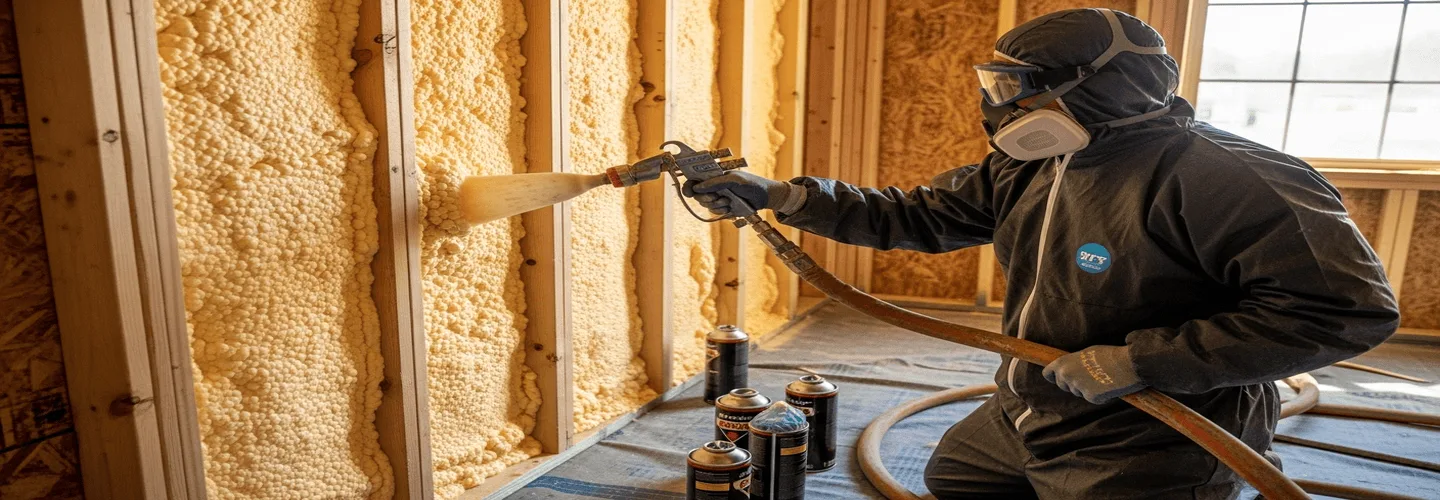
Valdosta property owners can significantly lower monthly utility bills and improve indoor comfort by upgrading aging or insufficient home insulation. Affordable solutions ranging from air sealing and blown-in cellulose to advanced spray foam applications help stabilize indoor temperatures against the South Georgia heat. These upgrades prevent conditioned air from escaping while blocking outdoor humidity from entering the living space, resulting in immediate energy savings and reduced strain on HVAC systems.
This guide provides a comprehensive overview of modern insulation in Valdosta, GA methods, regional considerations for the Valdosta climate, and practical factors for property owners to evaluate before starting a project. Industry experts suggest that a well-insulated home can reduce cooling costs by up to 15% in humid subtropical environments. Drawing on decades of building science and local climate data, the following sections outline the most effective ways to optimize residential energy performance.
Core Benefits of Modern Insulation Upgrades
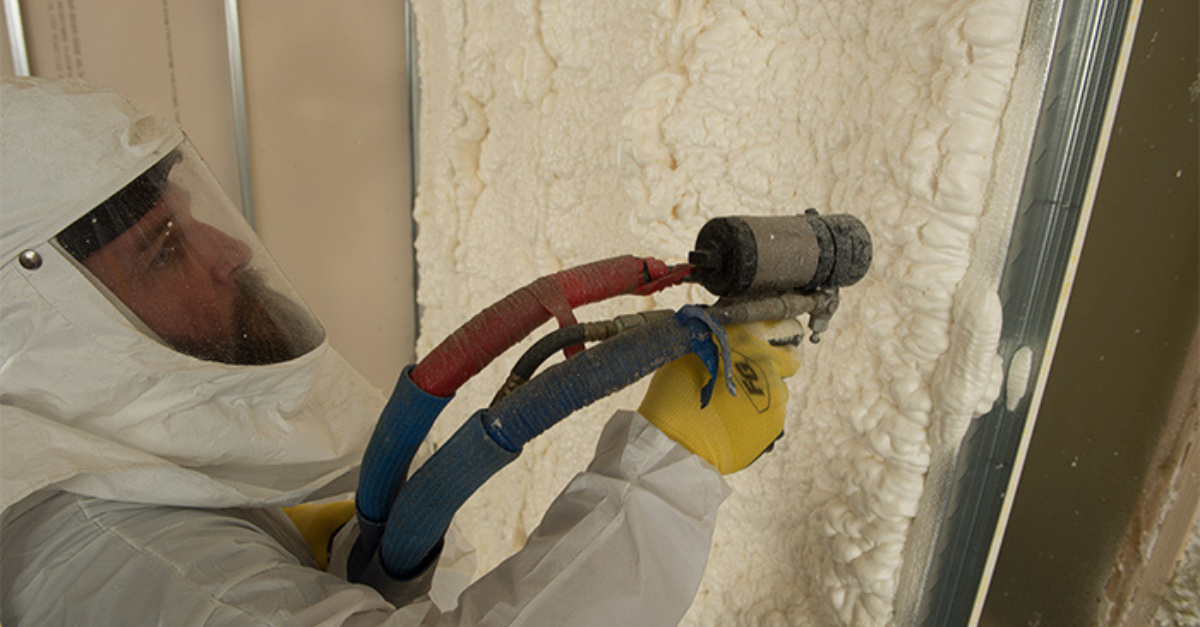
Modern insulation does more than just regulate temperature; it serves as a barrier against moisture, noise, and pollutants. In Georgia, where high humidity persists throughout much of the year, the primary goal of any upgrade is to create a tight building envelope. This involves addressing the attic, exterior walls, and the foundation or crawl space.
Upgrading to materials with higher R-values (a measure of thermal resistance) ensures that the home stays cooler in the summer and warmer in the winter without the air conditioner running constantly. Property owners often see a return on investment within a few years through lower power bills and extended equipment life for their heating and cooling units.
Addressing Moisture through Crawl Space Management
Many homes in Valdosta are built on pier-and-beam foundations or crawl spaces. These areas are notorious for trapping moisture, which can lead to wood rot and poor indoor air quality. Implementing Crawl Space Sealing services helps isolate the home from the damp earth below. This process involves laying down heavy-duty vapor barriers and sealing vents to keep the environment dry.
By utilizing Crawl Space Sealing experts, property owners can prevent the "stack effect," where damp, hot air from the crawl space rises into the living areas. This not only protects the structural integrity of the house but also makes the floors feel more comfortable underfoot.
Bonus Tip: When sealing a crawl space, always check for existing water leaks or drainage issues first. Sealing a space that has active water intrusion can trap moisture and cause more problems than it solves.

Technical Comparison of Common Insulation Materials
Choosing the right material depends on the specific area of the home and the available budget. Once the crawl space and attic needs are identified, property owners should compare materials used in regional residential projects to find the best fit.
Material TypeBest ApplicationR-Value per InchKey AdvantageBlown-In CelluloseAttics and Wall Cavities3.2 - 3.8Eco-friendly and fire-resistantFiberglass BattsOpen Wall Studs2.2 - 2.9Most affordable upfront costOpen-Cell Spray FoamInterior Walls and Roof Decks3.5 - 3.6Excellent sound dampeningClosed-Cell Spray FoamCrawl Spaces and Exteriors6.0 - 7.0Superior moisture barrier and strength
Selecting a Reliable Crawl Space Sealing Contractor
Finding the right professional is essential for a successful upgrade. A qualified Crawl Space Sealing company should provide a detailed inspection of the property before offering a quote. They must understand local building codes and the specific challenges posed by Georgia’s soil and climate.
Property owners should look for providers who offer a variety of solutions, including dehumidifier installation and mold remediation, as these often go hand-in-hand with insulation work. Working with Crawl Space Sealing experts ensures that the materials are installed correctly to prevent future sagging or gaps that could compromise the thermal barrier.
Things to Consider Before Making a Decision
Before committing to an insulation project, owners should evaluate several factors to ensure they receive the best value for their investment.
- Current R-Value: Determine the existing insulation levels. If the attic has less than 10 to 12 inches of material, an upgrade is likely necessary.
- Air Leaks: Insulation works best when combined with air sealing. Identify gaps around windows, doors, and utility penetrations.
- Ventilation Needs: A home that is sealed too tightly may require mechanical ventilation to maintain fresh air flow.
- Local Rebates: Check with local utility providers in Valdosta for available rebates or tax credits for energy-efficient home improvements.
Bonus Tip: Always request a thermal imaging scan. This technology allows professionals to see exactly where heat is entering or escaping through walls and ceilings, ensuring the upgrade targets the most problematic areas.
Strategic Air Sealing and Attic Upgrades
The attic remains the most significant source of energy loss in Southern homes. Heat from the sun radiates through the roof, making the attic much hotter than the outdoor temperature. Adding blown-in cellulose or spray foam to the underside of the roof deck can dramatically lower attic temperatures. This keeps ductwork cooler and reduces the heat load on the rest of the house.

Common Questions About Residential Insulation
How long does typical home insulation last?
Most insulation materials, such as fiberglass and cellulose, can last 20 to 30 years. However, if they become wet, compressed, or infested by pests, their effectiveness drops significantly and they may need replacement sooner. Spray foam can last the lifetime of the structure.
Will new insulation help reduce outdoor noise?
Yes. Materials like open-cell spray foam and cellulose are excellent at absorbing sound waves. Homeowners often notice a significant reduction in noise from traffic, lawnmowers, and storms after an upgrade.
Is it possible to over-insulate a home?
While you cannot have too much thermal resistance, you can seal a home so tightly that it lacks proper air exchange. Professionals ensure that the building "breathes" correctly through managed ventilation while remaining energy efficient.
Can insulation help with pest control?
Certain types of cellulose insulation are treated with borates, which are harmful to many common household pests like ants and cockroaches. While not a replacement for pest control, it adds an extra layer of protection.
Final Steps for Valdosta Homeowners
Upgrading residential insulation is a practical way to manage rising energy costs and protect property value. By focusing on high-impact areas like the attic and crawl space, owners can create a more stable and healthy indoor environment. Long-term savings and improved comfort make these upgrades a wise choice for any property owner in the Valdosta area looking to maximize their home's efficiency.
Professional Insulation Assistance in Valdosta
For those ready to improve their home efficiency, Premier Insulation provides a wide range of services, including Residential Spray Foam, Fiberglass, and Cellulose installations. Their team specializes in Crawl Space Sealing services and mold remediation to ensure every part of the property is protected from the elements. To discuss specific project needs or to schedule a consultation, property owners can reach out to them at (229) 554-3939 or via email at [email protected]. Utilizing a local Crawl Space Sealing company ensures that the work is performed by those who understand the unique environmental demands of South Georgia.