
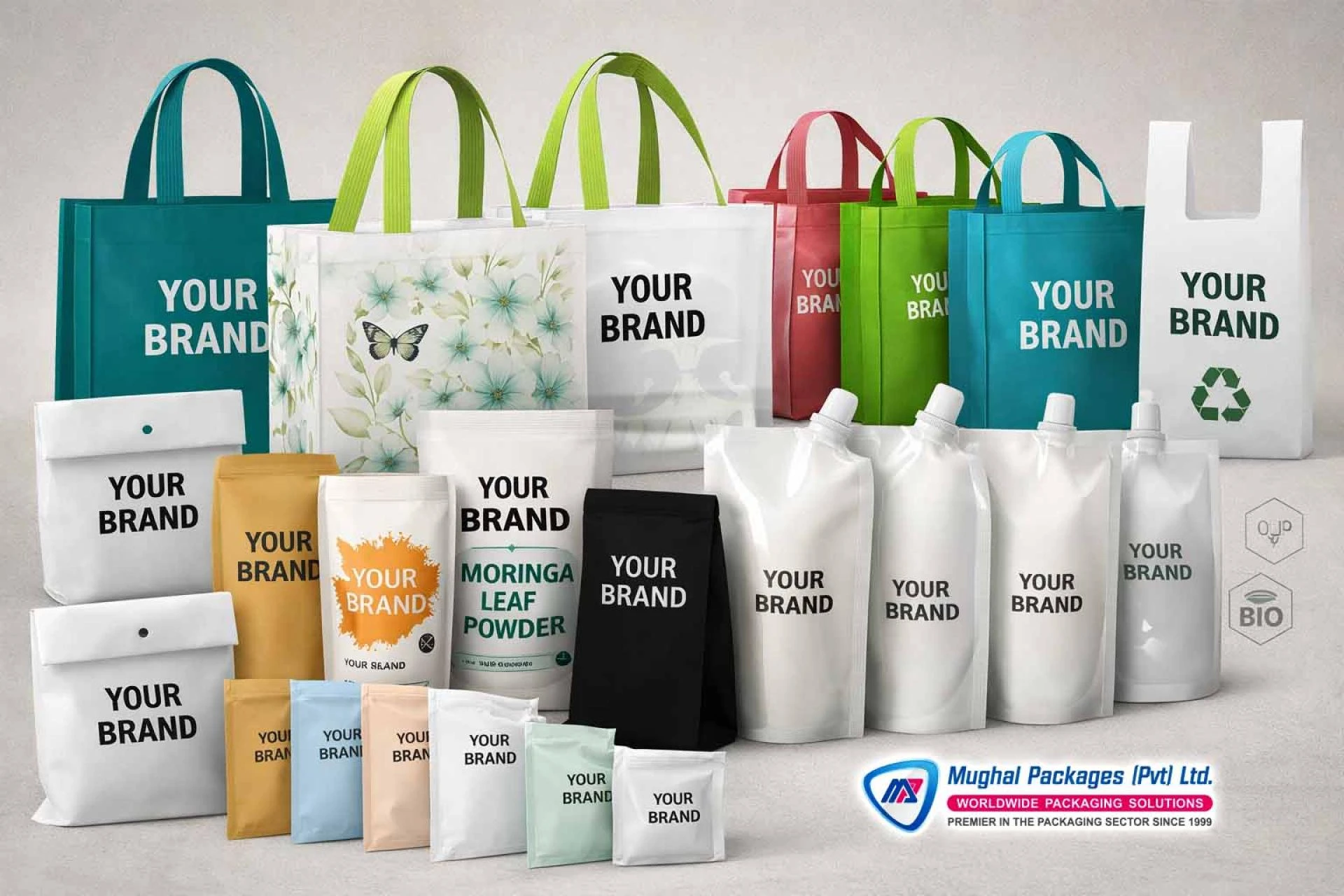
When your business wants to stand out, custom bags are a simple yet effective solution. They meet customer preferences, help with branding, and offer long-term benefits. Choosing the right material, size, and functionality can improve your market appeal and create lasting impressions. Businesses of all sizes can adopt eco-friendly practices, reduce waste, and comply with regulatory requirements while keeping costs moderately priced.
Understanding Customer Demands and Preferences
Successful businesses focus on customer demands. People expect eco-conscious, durable, and reusable bags. From groceries to cosmetics, consumer preferences are shifting toward sustainable and plastic-free alternatives. By tracking trends in retail and supermarkets, you can select customizable solutions that enhance product identity and meet niche market needs.
- Customers want lightweight yet durable bags.
- Convenience and reusability drive repeated purchases.
- Personalized branding with logo, color, and size choices adds marketing value.
Sustainable Materials and Eco-Friendly Practices
Sustainability is no longer optional. Businesses adopting eco-friendly materials gain reputation and contribute to the circular economy. Options include non-woven, paper, biodegradable, compostable, or recyclable bags. Single-use plastics are being replaced with eco-conscious alternatives, reducing landfill contributions and carbon footprints.
- Non-woven bags provide durability and reusability.
- Paper and tissue bags are ideal for retail and boutique giveaways.
- Biodegradable polymers and compostable bags support environmentally conscious practices.
Cost Savings and Long-Term Benefits
Investing in custom bags offers long-term benefits. While moderately priced, they help save money by replacing expensive, single-use plastics. Durable, reusable, and lightweight bags reduce spending on packaging over time.
- Reusable bags lower production runs and waste management costs.
- Customized packaging enhances brand recognition, turning packaging into a marketing tool.
- Businesses comply with regulations while improving customer loyalty.
Types of Custom Bags for Businesses
Selecting the right bag depends on product type, weight, and use. Options include:
- Zippered pouches for cosmetics or merchandise.
- Paper bags for boutique or grocery items.
- Non-woven reusable bags for corporate events or promotional giveaways.
- Inflatable air pillows, bubble, and padded mailers for shipping perishable items.
- Flexible packaging like polyethylene film for retail and e-commerce needs.
Customization and Branding Opportunities
Custom bags allow businesses to enhance brand recognition and create visually appealing packaging. Customization includes logo printing, color selection, size adjustments, and material choice. Well-designed bags become promotional tools, turning customers into brand ambassadors.
- Personalized bags increase loyalty and market appeal.
- Creative packaging improves product experience and aesthetic value.
- Custom-designed bags reflect brand ethos and uniqueness.
Efficient Production and Reliable Delivery
Working with trusted suppliers ensures custom production meets quality, safety, and certification standards. Businesses benefit from efficient service, quick turnaround, and flexible production. Tailored solutions allow bulk ordering or small batch runs depending on business needs.
- Specialized production guarantees consistent quality.
- Packaging delivery is reliable, reducing storage or shipping delays.
- Certified suppliers provide assurance for regulatory compliance.
Marketing Benefits and Promotional Uses
Custom bags serve as marketing tools that extend your brand reach. Using visually appealing, eco-friendly bags at events, retail outlets, or as giveaways enhances customer engagement.
- Customized packaging supports advertising campaigns.
- Reusable and durable bags leave a positive impression.
- Participation in sustainability initiatives improves reputation among environmentally conscious shoppers.
Practical Tips for Small and Large Businesses
- Choose materials based on weight, product type, and usage.
- Prioritize eco-friendly options to align with future sustainability goals.
- Order flexibility helps adapt to seasonal demand or promotional events.
- Incorporate water-based inks and soy-based tape for safe and environmentally friendly printing.
- Ensure employees are trained to handle, store, and reuse bags effectively.