In the realm of physical fitness, there are countless forms of exercise aimed at improving strength, flexibility, and overall well-being. Among these, one practice has steadily gained popularity due to its comprehensive approach to both physical and mental health — Pilates exercises. Developed in the early 20th century, Pilates focuses on controlled movements, precise technique, and the connection between mind and body. Its benefits extend far beyond just muscle toning, making it a versatile and effective workout option for individuals of all ages and fitness levels.
Core Strength and Stability
One of the most well-known benefits of Pilates is its emphasis on core strength. The core, often referred to as the "powerhouse" in Pilates, includes the muscles of the abdomen, lower back, hips, and pelvis. A strong core is essential for maintaining proper posture, reducing the risk of injury, and supporting everyday movements.
Pilates exercises target these core muscles through slow, controlled movements that require balance and stability. Over time, consistent practice strengthens the deep abdominal muscles and spinal stabilizers, leading to improved alignment and a stronger foundation for all types of physical activity.
Improved Flexibility and Range of Motion
Flexibility is another key focus of Pilates. The exercises are designed to lengthen muscles while strengthening them, resulting in greater elasticity and joint mobility. Unlike some high-impact workouts that can lead to muscle tightness, Pilates promotes supple and flexible muscles.
For individuals who spend a lot of time sitting at a desk or leading sedentary lives, Pilates can help counteract stiffness and improve posture. It encourages movements that open up the hips, stretch the spine, and enhance overall body alignment, making daily tasks easier and more comfortable.
Enhanced Posture and Alignment
Poor posture is a common issue, especially in modern lifestyles that involve prolonged sitting and screen time. Pilates addresses postural imbalances by strengthening the muscles that support the spine and teaching body awareness.
By practicing Pilates regularly, individuals become more conscious of their posture during both exercise and everyday activities. This heightened awareness helps to prevent slouching, reduce strain on the back and neck, and promote a tall, confident stance.
Low-Impact and Joint-Friendly
Unlike high-impact workouts such as running or jumping, Pilates is a low-impact form of exercise that places minimal stress on the joints. This makes it an excellent choice for people recovering from injuries, older adults, or anyone seeking a gentler yet effective workout.
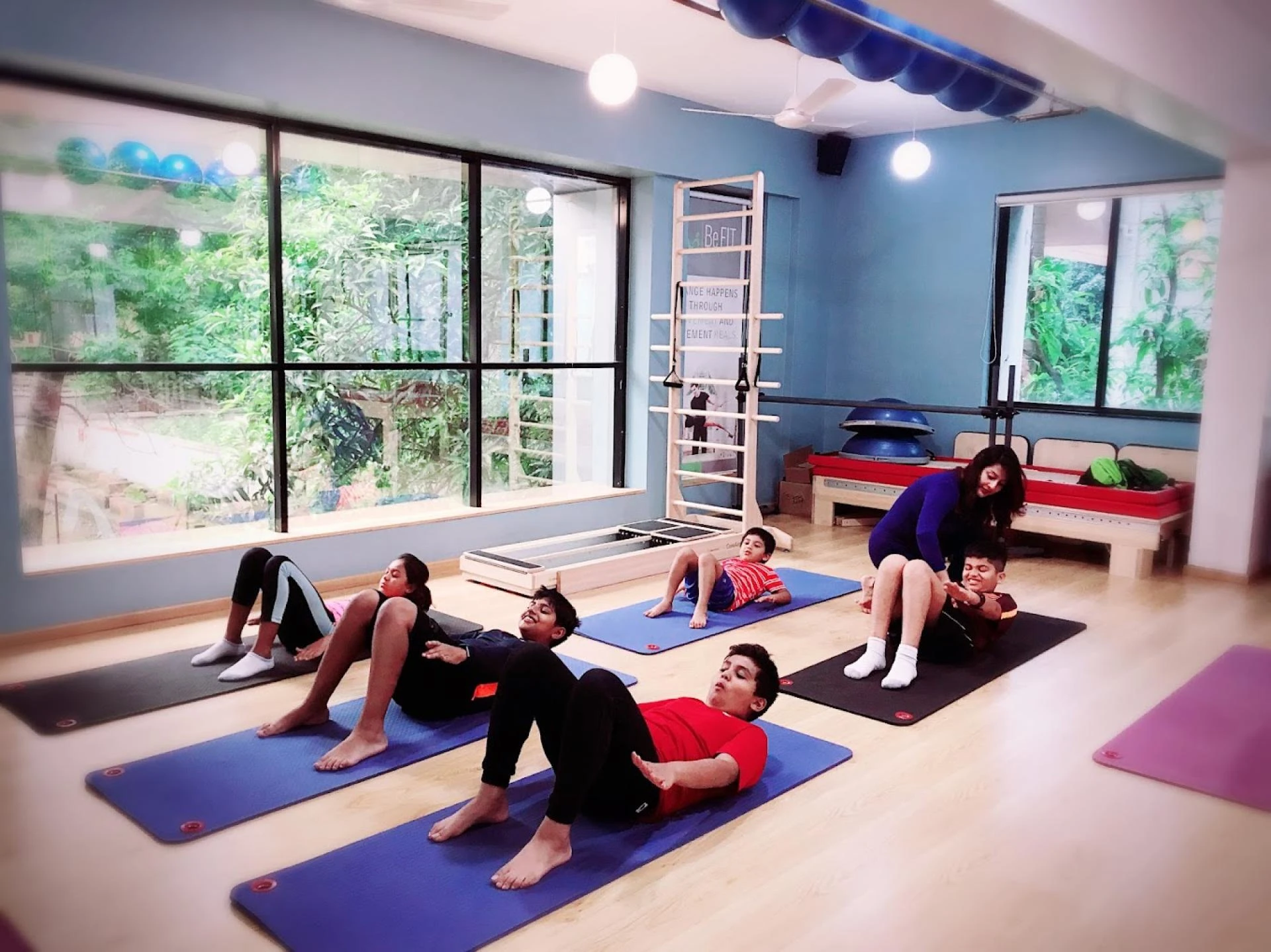
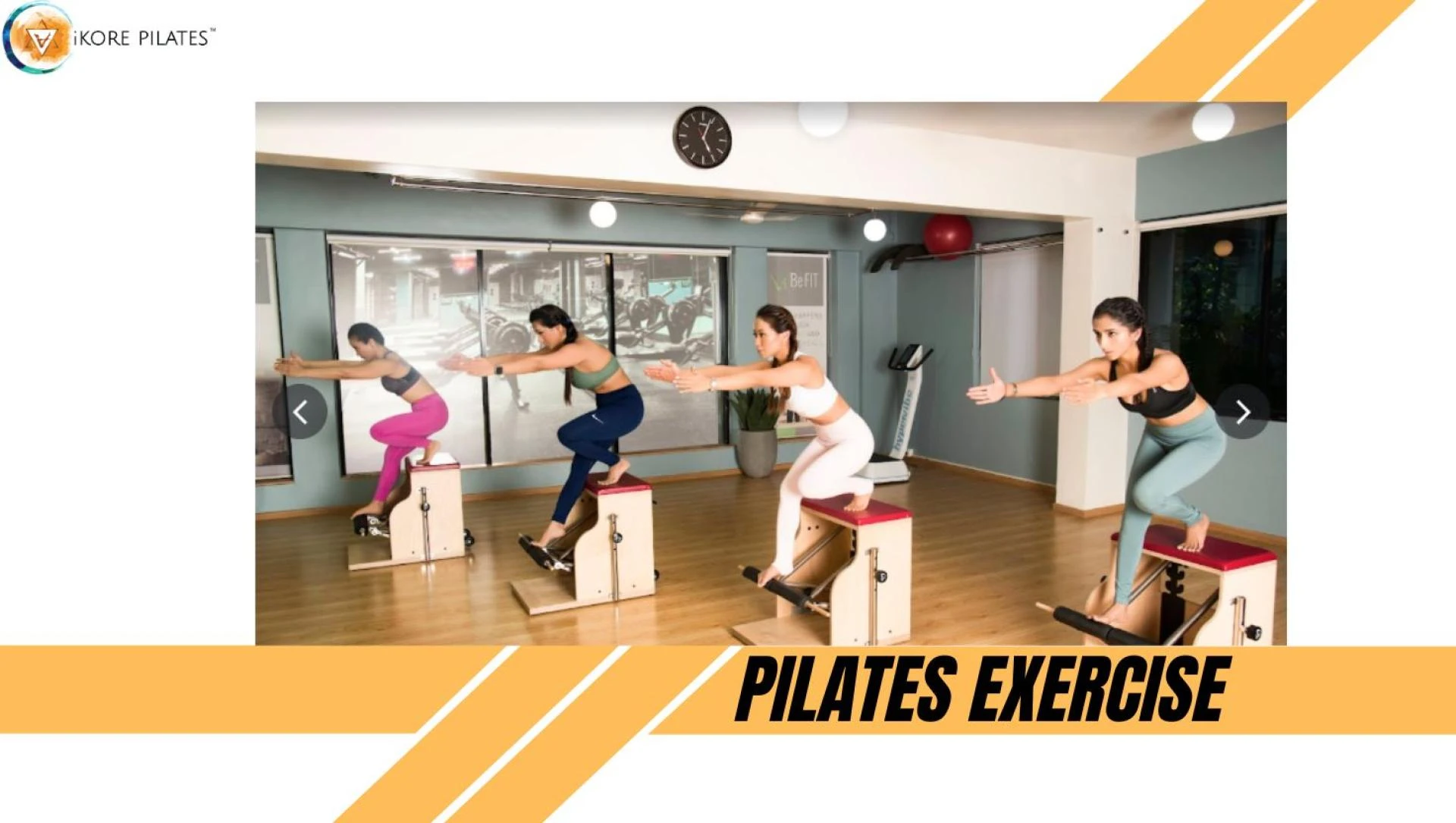
The movements in Pilates are performed in a controlled manner, often on a mat or with specialized equipment, allowing for a full-body workout without excessive strain. It’s particularly beneficial for individuals with arthritis, back pain, or limited mobility, as it can be modified to suit different needs and abilities.
Mental Focus and Stress Relief
Pilates is not just about physical fitness; it also emphasizes mental concentration and breath control. Each movement requires focus and mindfulness, which can lead to a meditative experience that calms the mind and relieves stress.
Breathwork is integral to Pilates practice. Coordinated breathing helps oxygenate the body, reduce tension, and enhance the flow of movement. As a result, many practitioners find that Pilates helps them feel more centered, focused, and emotionally balanced.
Improved Athletic Performance
Athletes across various disciplines have turned to Pilates to enhance their performance. The combination of core strength, flexibility, balance, and coordination contributes to more efficient movement patterns, injury prevention, and faster recovery.
Whether you're a runner, dancer, swimmer, or cyclist, incorporating Pilates into your routine can improve your biomechanics and help you move more powerfully and gracefully. It supports functional fitness, which means the benefits extend into everyday life as well as sports performance.
Body Awareness and Control
Pilates teaches individuals to move with precision and control. Each exercise is performed with a strong emphasis on form and technique, which promotes better neuromuscular control and body awareness.
This increased awareness can translate into more effective movement in other types of exercise, improved coordination, and a deeper understanding of how your body works. Over time, practitioners often experience a stronger mind-body connection, leading to more intentional and graceful movement.
Versatility and Accessibility
Another significant advantage of Pilates is its adaptability. It can be practiced using just a mat or with specialized equipment like reformers and resistance bands. The exercises can be tailored to suit beginners or advanced participants, making it accessible to a wide range of people.
Whether you’re looking to recover from an injury, improve athletic performance, or simply maintain general fitness, Pilates offers a customizable approach to meet your goals.
In conclusion, the advantages of Pilates exercises extend far beyond aesthetics. By promoting core strength, flexibility, posture, and mental clarity, Pilates offers a holistic path to physical and emotional well-being. Its low-impact nature and adaptability make it suitable for nearly everyone, from beginners to seasoned athletes. With regular practice, Pilates can be a transformative tool for enhancing both the body and the mind.