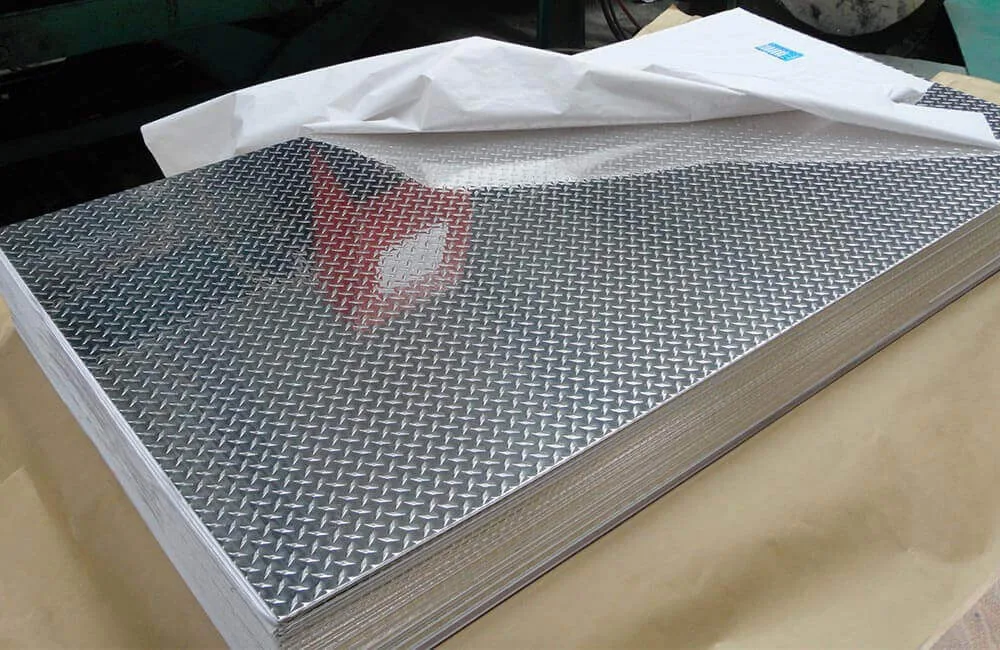
Aluminium 6082 sheet and plate are widely used in structural and industrial applications due to their combination of strength, corrosion resistance, and workability. As a heat-treatable alloy in the 6xxx series, it is often selected for engineering applications where both performance and weight efficiency are required.
However, like any engineering material, Aluminium 6082 has both advantages and limitations that should be evaluated carefully before selection.
Advantages of Aluminium 6082 Sheet & Plate
1. High Mechanical StrengthAluminium 6082 is one of the strongest alloys within the 6xxx series, especially in heat-treated conditions such as T6 and T651. This makes it suitable for:
- Structural frameworks
- Load-bearing components
- Engineering assemblies
Its strength allows it to replace heavier materials in certain applications without compromising performance.
2. Excellent Strength-to-Weight Ratio
One of the key benefits of Aluminium 6082 is its low density combined with good strength, offering:
- Reduced structural weight
- Improved efficiency in transportation systems
- Easier handling and installation
This makes it highly valuable in industries where weight reduction is critical.
3. Good Corrosion Resistance
Aluminium 6082 offers reliable resistance to atmospheric corrosion, making it suitable for:
- Outdoor environments
- Industrial applications
- Construction projects
While not as corrosion-resistant as 5xxx series alloys, it performs well in general service conditions.
4. Good Machinability
The alloy is known for its good machinability, especially in heat-treated tempers. It allows efficient:
- Cutting
- Drilling
- Shaping
This makes it suitable for precision components and fabrication work.
5. Weldability
Aluminium 6082 can be welded using standard techniques, making it useful for:
- Fabricated structures
- Industrial assemblies
- Custom engineering applications
6. Heat-Treatable Alloy
Unlike non-heat-treatable alloys, Aluminium 6082 can be strengthened through controlled heat treatment. Tempers such as T6 significantly enhance its mechanical properties, providing flexibility in design and application.
7. Versatility Across Industries
Due to its balanced properties, Aluminium 6082 sheet and plate are used in:
- Construction and infrastructure
- Transportation and automotive
- Industrial machinery
- General engineering
Limitations of Aluminium 6082 Sheet & Plate
1. Lower Corrosion Resistance Compared to 5xxx SeriesAlthough it performs well in general environments, Aluminium 6082 has lower corrosion resistance than 5xxx series alloys, particularly in:
- Marine environments
- Highly corrosive chemical conditions
For such applications, higher magnesium alloys may be more suitable.
2. Reduced Formability in High-Strength Tempers
In tempers like T6, Aluminium 6082 exhibits reduced formability, which can limit:
- Complex shaping
- Deep drawing operations
Softer aluminium alloys are often preferred where extensive forming is required.
3. Strength Reduction After Welding
While weldable, the alloy experiences strength loss in the heat-affected zone (HAZ) after welding. This may require:
- Post-weld heat treatment
- Structural design considerations
4. Limited Surface Finish Quality
Aluminium 6082 is not typically used for applications requiring high decorative or aesthetic finishes, as it does not offer the same surface quality as some other aluminium grades.
5. Performance at Elevated Temperatures
The alloy is not intended for prolonged use at high temperatures, as mechanical properties may degrade under such conditions.
6. Dependence on Heat Treatment
Achieving optimal mechanical properties requires controlled heat treatment processes. Improper processing can lead to inconsistent performance.
Practical Considerations
When selecting Aluminium 6082 sheet and plate, it is important to consider:
- Required strength and load conditions
- Environmental exposure
- Fabrication and welding requirements
- Cost-effectiveness
Choosing the correct temper and processing method ensures the material performs as expected.
Conclusion
Aluminium 6082 sheet and plate provide a balanced combination of strength, corrosion resistance, and lightweight performance, making them suitable for a wide range of structural and industrial applications. Their ability to be heat-treated and machined efficiently adds to their versatility.
At the same time, limitations such as reduced formability in high-strength tempers and lower corrosion resistance compared to 5xxx series alloys must be taken into account. When selected and applied correctly, Aluminium 6082 remains a reliable and practical material choice for engineering applications.