Dental problems are not always limited to cavities or gum sensitivity. Some conditions require specialized procedures to restore oral function, reduce discomfort, and improve appearance. This is where dental oral surgery becomes essential. It involves advanced treatments that address issues affecting the teeth, jawbone, gums, and surrounding tissues. From impacted wisdom teeth to dental implants and jaw correction procedures, oral surgery helps patients regain confidence and maintain long-term oral health. Modern techniques have also made these procedures safer, faster, and far more comfortable than before.
Common Conditions Treated with Oral Surgery
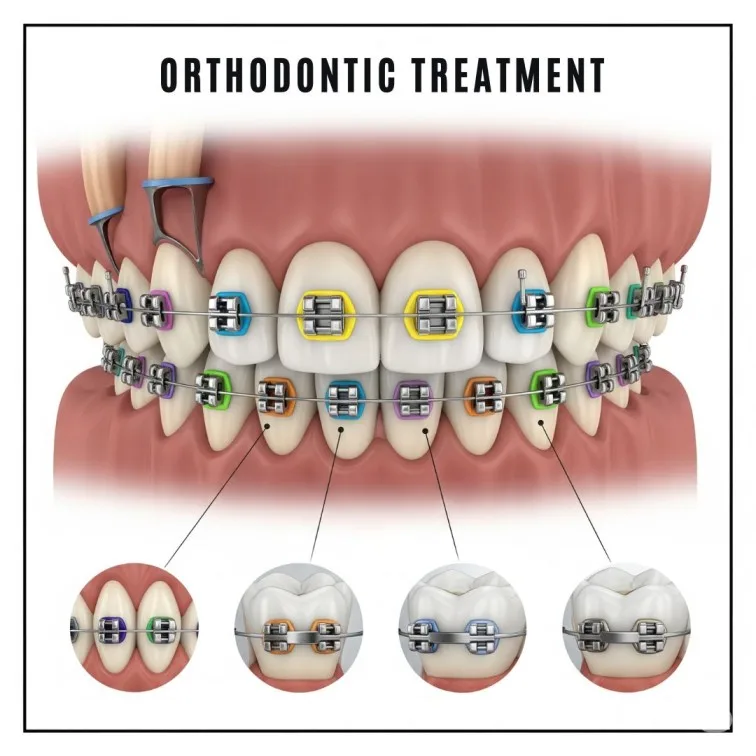
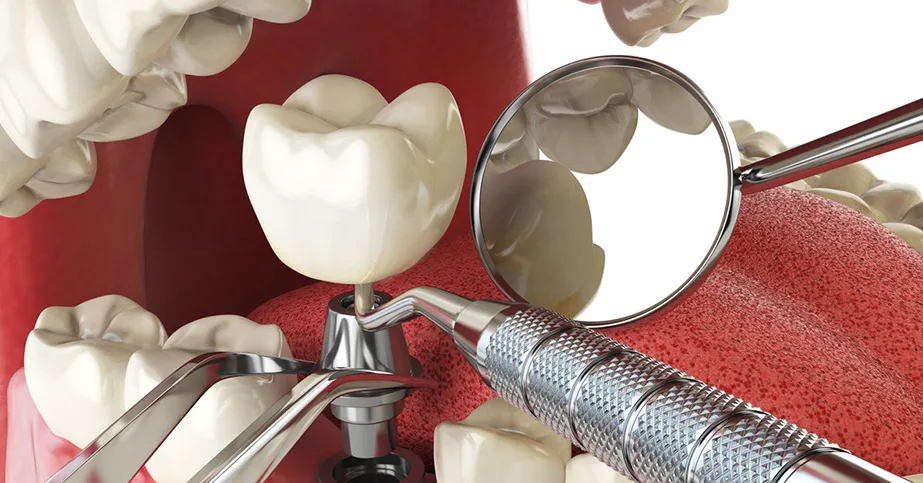
Several dental concerns may require surgical treatment when regular procedures are not enough. Impacted wisdom teeth are one of the most common reasons patients undergo surgery. If left untreated, they can cause infection, swelling, pain, and crowding of nearby teeth. Dental implants are another popular solution offered through dental oral surgery, especially for patients dealing with missing teeth. Bone grafting, gum correction, and treatment for jaw disorders are also widely performed. In some cases, oral surgery is recommended before orthodontic treatment to improve jaw alignment and bite function.
How Modern Technology Improves Patient Experience
Advancements in dental technology have transformed the way oral surgeries are performed. Digital imaging and 3D scans allow dentists to plan procedures with greater precision, reducing risks and improving recovery outcomes. Laser-assisted techniques minimize bleeding and swelling, while advanced anesthesia options help patients feel relaxed throughout treatment. Many clinics now use minimally invasive methods that shorten healing time and reduce post-surgery discomfort. These improvements have encouraged more people to seek timely treatment instead of delaying procedures because of fear or anxiety.
Recovery Tips for Faster Healing
Proper aftercare plays a major role in successful recovery after dental oral surgery. Patients are usually advised to avoid smoking, hard foods, and excessive physical activity for a few days. Applying ice packs can help reduce swelling, while prescribed medications control discomfort and prevent infection. Maintaining oral hygiene is equally important, but brushing should be done carefully around the treated area. Drinking enough water and eating soft, nutritious foods also support healing. Following the dentist’s instructions closely can significantly improve recovery speed and overall results.
Choosing the Right Dental Specialist
Selecting an experienced oral surgeon is important for safe and effective treatment. Patients should look for clinics equipped with modern technology, sterilization standards, and qualified specialists who explain procedures clearly. A good dental professional will first evaluate the patient’s oral condition thoroughly before suggesting surgery. Clear communication, personalized treatment planning, and proper follow-up care are all signs of a reliable dental practice. Choosing the right expert not only improves treatment success but also makes the entire experience more comfortable and stress-free.
Bottom-Line
Advanced dental oral surgery is more than just a corrective procedure; it is a step toward better oral health, improved functionality, and a confident smile. With modern techniques, skilled specialists, and proper aftercare, patients can achieve lasting results with minimal discomfort. Seeking timely treatment for serious dental concerns can prevent future complications and support healthier teeth and gums for years to come.