
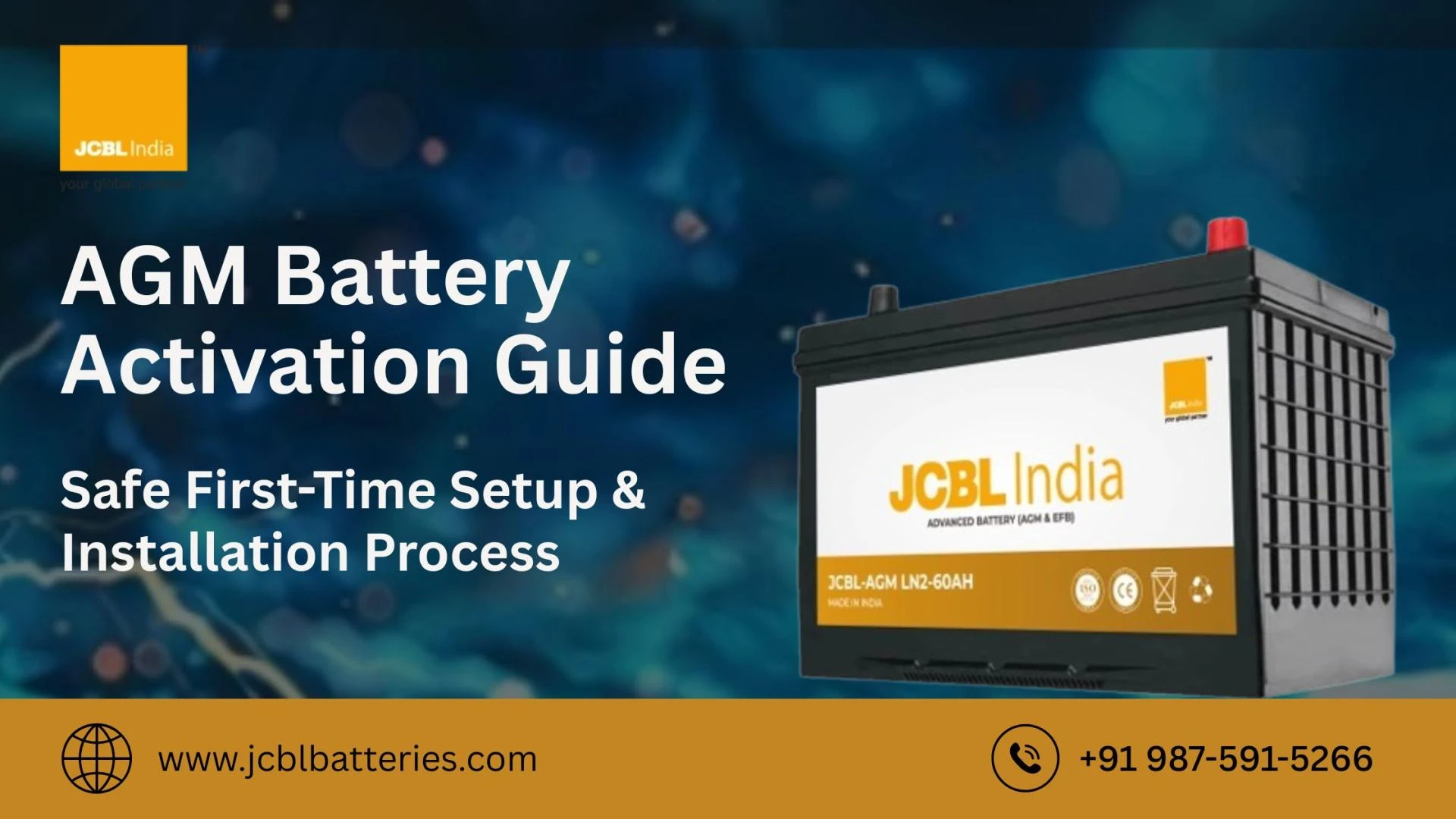
Proper AGM battery activation is essential to ensure maximum performance, long service life, and warranty protection. While many modern AGM batteries are factory-sealed and ready for installation, certain dry-charged models require careful first-time setup before use. Incorrect activation can reduce cranking power, shorten lifespan, and even cause permanent internal damage.
This comprehensive guide explains when activation is necessary, the correct step-by-step procedure, safety precautions, and expert recommendations to help you handle your AGM battery confidently and correctly.
What Is an AGM Battery?
AGM (Absorbent Glass Mat) batteries are advanced lead-acid batteries designed for higher efficiency and durability compared to traditional flooded batteries. Instead of free-flowing liquid electrolyte, AGM batteries use specialized glass mat separators that absorb and hold the electrolyte between the plates.
They are commonly used in:
- Passenger and commercial vehicles
- Start-stop systems
- Motorcycles
- Solar and inverter systems
- UPS and backup applications
- Industrial equipment
Key advantages include:
- Spill-proof and sealed construction
- High vibration resistance
- Faster recharge acceptance
- Higher cold cranking performance
- Maintenance-free operation
However, understanding whether your AGM battery is factory-sealed or dry-charged is critical before installation.
When Is AGM Battery Activation Required?
Not all AGM batteries require activation.
You must activate your battery if:
- It is labeled “dry-charged”
- An electrolyte pack is included separately
- The battery was shipped without acid due to transport regulations
- The manufacturer’s manual instructs activation
If your battery is labeled “maintenance-free” and factory sealed, do not attempt to open it.
Opening a sealed AGM battery can:
- Damage internal pressure valves
- Compromise structural integrity
- Void warranty coverage
- Permanently reduce performance
Always confirm the battery type before proceeding.
Types of AGM Batteries Explained
Understanding the difference prevents costly mistakes.
1. Factory-Sealed AGM Batteries
- Pre-filled with electrolyte
- Permanently sealed
- Pre-charged
- Ready for immediate installation
- No activation required
2. Dry-Charged AGM Batteries
- Shipped without electrolyte
- Acid pack supplied separately
- Require first-time activation
- Must be sealed after filling
If activation is required, following the correct process ensures optimal performance.
Step-by-Step Guide to Activate an AGM Battery
If your AGM battery is dry-charged, follow this professional procedure carefully.
Step 1: Confirm the Battery Type
Verify that your battery is dry-charged. Check labeling and product documentation before opening anything.
Step 2: Prepare Safety Equipment
Electrolyte contains sulfuric acid and must be handled responsibly.
Wear:
- Acid-resistant gloves
- Safety goggles
- Protective clothing
- Work in a well-ventilated space
Avoid skin contact and keep away from sparks or open flames.
Step 3: Position the Battery Properly
Place the battery upright on a flat, stable surface.
Do not tilt, invert, or shake the battery during activation. Proper positioning ensures even electrolyte absorption inside the glass mats.
Step 4: Add the Supplied Electrolyte
Carefully align the electrolyte pack with the battery filling ports.
Allow the acid to drain naturally. Do not squeeze forcefully unless specified in the manufacturer instructions.
Important reminders:
- Do not overfill
- Use only manufacturer-supplied electrolyte
- Avoid contamination
Using incorrect electrolyte can cause internal plate damage and void warranty coverage.
Step 5: Allow Stabilization Time
After filling, let the battery rest undisturbed for 30–60 minutes.
This allows:
- Full absorption into glass mat separators
- Proper chemical stabilization
- Uniform internal distribution
Rushing this step can negatively impact performance and lifespan.
Step 6: Seal the Battery Securely
Once absorption is complete:
- Install sealing caps or strip firmly
- Ensure airtight closure
- Do not reopen after sealing
After sealing, the AGM battery becomes permanently closed.
Step 7: Inspect Before Installation
Before installing the battery:
- Check for leaks
- Clean any acid residue
- Ensure terminals are dry
- Confirm casing integrity
Some manufacturers recommend a light initial charge after activation to achieve full rated capacity. Always follow specific product guidelines.
Common AGM Battery Activation Mistakes to Avoid
Avoid these frequent errors:
- Using third-party electrolyte
- Overfilling cells
- Tilting the battery during filling
- Skipping absorption time
- Opening sealed AGM batteries
- Ignoring manufacturer instructions
Improper activation may result in:
- Reduced cold cranking performance
- Shortened service life
- Internal sulfation
- Warranty rejection
Correct activation directly impacts long-term durability.
After-Activation Care for Long-Term Performance
Proper handling after activation ensures reliability.
After setup:
- Allow the battery to stabilize fully
- Verify voltage if recommended
- Secure mounting to prevent vibration damage
- Keep terminals clean and tight
- Avoid deep discharges
Although AGM batteries are maintenance-free, charging habits significantly influence lifespan.
AGM Battery Maintenance Best Practices
To maximize battery performance:
- Use an AGM-compatible smart charger
- Avoid frequent deep discharging
- Prevent exposure to extreme heat
- Ensure secure installation
- Periodically inspect terminal connections
Unlike conventional flooded batteries, AGM units do not require water top-ups. However, improper charging or overheating can still reduce lifespan.
Safety and Warranty Considerations
Handling AGM electrolyte requires caution.
Safety Guidelines
- Always wear protective gloves and eye protection
- Avoid sparks or open flames
- Do not smoke near the battery
- Work in ventilated areas
Warranty Protection
Warranty may be void if:
- A sealed battery is opened
- Unauthorized electrolyte is used
- Installation guidelines are ignored
Always retain proof of purchase and follow official manufacturer instructions carefully.
When Should You Seek Professional Assistance?
Consider professional installation if:
- You are unsure about battery type
- The casing is cracked or damaged
- Electrolyte leakage is visible
- You lack safety equipment
- You want to protect warranty coverage
Professional handling ensures safe activation and proper installation, especially for high-value vehicles or commercial systems.
Why Quality Matters in AGM Batteries
Choosing a reliable manufacturer is just as important as correct activation. Reputable brands follow strict quality standards, advanced manufacturing processes, and international safety protocols to ensure long-lasting performance.
JCBL India Batteries is known for delivering high-quality automotive and industrial battery solutions designed to meet global performance standards. Selecting a trusted manufacturer helps ensure consistent cranking power, durability, and long-term reliability.
Conclusion
Proper AGM battery activation ensures reliable performance, longer lifespan, and warranty protection. By identifying your battery type and following the correct setup procedure, you can prevent damage, improve starting power, and ensure consistent long-term operation.