Knee injuries can be painful and frustrating, especially when they affect your ability to walk, run, or perform daily activities. One of the most serious knee injuries is an ACL tear. It not only causes pain but also leads to instability in the knee joint.
Understanding the right ACL Tear Treatment is essential for a smooth recovery and long-term knee stability. This complete guide will help you understand symptoms, treatment procedures, recovery timelines, and prevention strategies in a simple and practical way.
What Is an ACL Tear?
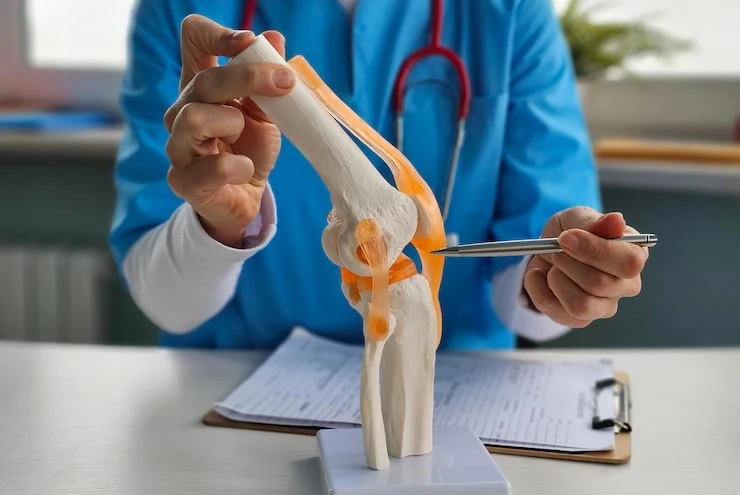
The anterior cruciate ligament (ACL) is a key ligament in the knee that connects the thigh bone (femur) to the shin bone (tibia). It plays a major role in maintaining knee stability during movement.
An ACL tear happens when the ligament is overstretched or ruptured, usually due to sudden twisting, jumping, or stopping movements. This injury is common in sports but can also occur during everyday activities.
ACL Injury Symptoms and Signs
Identifying acl injury symptoms early can help you get timely treatment and avoid complications.
Common Signs of ACL Injury:
- A popping sound at the time of injury
- Immediate swelling in the knee
- Severe pain
- Knee instability or “giving way”
- Difficulty walking or standing
These signs of acl injury should not be ignored, as early care improves the effectiveness of ACL Tear Treatment.
Types of ACL Tears
ACL injuries are classified based on severity:
1. Partial ACL Tear
In Partial ACL Tear treatment, the ligament is partially damaged but still functional.
- Mild pain and instability
- Can be managed with physiotherapy
- No surgery required in many cases
2. Complete ACL Tear
- Full rupture of the ligament
- Severe instability
- Often requires surgical reconstruction
The type of injury determines the best acl injury treatment approach.
Diagnosis of ACL Tear
Proper diagnosis is essential for planning effective ACL Tear Treatment.
Diagnostic Methods:
- Physical examination
- MRI scan (most accurate)
- X-rays (to rule out fractures)
Early diagnosis helps prevent further damage and speeds up recovery.
ACL Tear Treatment Options
The choice of ACL Tear Treatment depends on the severity of the injury and the patient’s activity level.
1. Non-Surgical Treatment
For mild injuries or less active individuals:
- Rest and activity modification
- Ice therapy to reduce swelling
- Compression and elevation
- Physiotherapy
This form of acl injury treatment focuses on strengthening muscles and stabilizing the knee.
2. Physiotherapy and Rehabilitation
Rehabilitation is a crucial part of ACL Tear Treatment.
Key Goals:
- Restore knee movement
- Strengthen muscles
- Improve balance and coordination
Regular physiotherapy can significantly improve acl injury recovery time.
3. Surgical Treatment (ACL Reconstruction)
Surgery is recommended for:
- Complete ACL tears
- Athletes or active individuals
- Persistent knee instability
Procedure:
- Damaged ligament is replaced with a graft
- Performed using minimally invasive arthroscopy
Modern surgical methods ensure better results and faster recovery.
ACL Injury Recovery Time
Many patients ask how long to recover from acl injury.
Recovery Timeline:
- Mild injuries: 6–8 weeks
- Post-surgery recovery: 4–6 months
- Return to sports: 6–9 months
The acl injury recovery time depends on rehabilitation and patient commitment.
Step-by-Step Recovery Process
Phase 1: Initial Healing
- Reduce pain and swelling
- Restore basic movement
Phase 2: Strength Building
- Strengthen leg muscles
- Improve stability
Phase 3: Advanced Training
- Sport-specific exercises
- Return to normal activities
Following these steps ensures successful ACL Tear Treatment.
How to Prevent ACL Injury
Prevention is key to avoiding future problems. Knowing how to prevent acl injury can protect your knee.
Prevention Tips:
- Warm up before exercise
- Strengthen leg muscles
- Use proper techniques during sports
- Improve balance and coordination
These steps help you avoid acl injury and maintain long-term knee health.
Lifestyle Tips for Faster Recovery
To improve recovery and reduce acl injury recovery time:
- Follow physiotherapy regularly
- Maintain a healthy diet
- Avoid sudden movements
- Use proper footwear
Consistency is essential for effective ACL Tear Treatment.
When to See a Doctor
Consult a specialist if you experience:
- Persistent knee pain
- Swelling that doesn’t improve
- Difficulty walking
- Knee instability
Early treatment ensures better outcomes from acl injury treatment.
Best Hospital for ACL Surgery in Delhi NCR
For advanced care, choosing the right hospital is important. A Best Hospital for ACL Surgery in Delhi NCR provides:
- Experienced orthopedic surgeons
- Advanced arthroscopic techniques
- Personalized rehabilitation programs
- High success rates
Expert care ensures effective ACL Tear Treatment and faster recovery.
Complications If Left Untreated
Ignoring an ACL tear can lead to:
- Chronic knee instability
- Meniscus damage
- Early arthritis
- Reduced mobility
Timely ACL Tear Treatment helps prevent these complications.
Conclusion
Understanding the complete process of ACL Tear Treatment—from symptoms to recovery—is essential for achieving the best results. Early diagnosis, proper treatment, and consistent rehabilitation can restore knee stability and function effectively.
Recognizing acl injury symptoms, following the right acl injury treatment, and adopting preventive measures can significantly improve recovery outcomes.
If you suspect an ACL injury, don’t delay—consult a specialist and take the first step toward a pain-free and active life.