
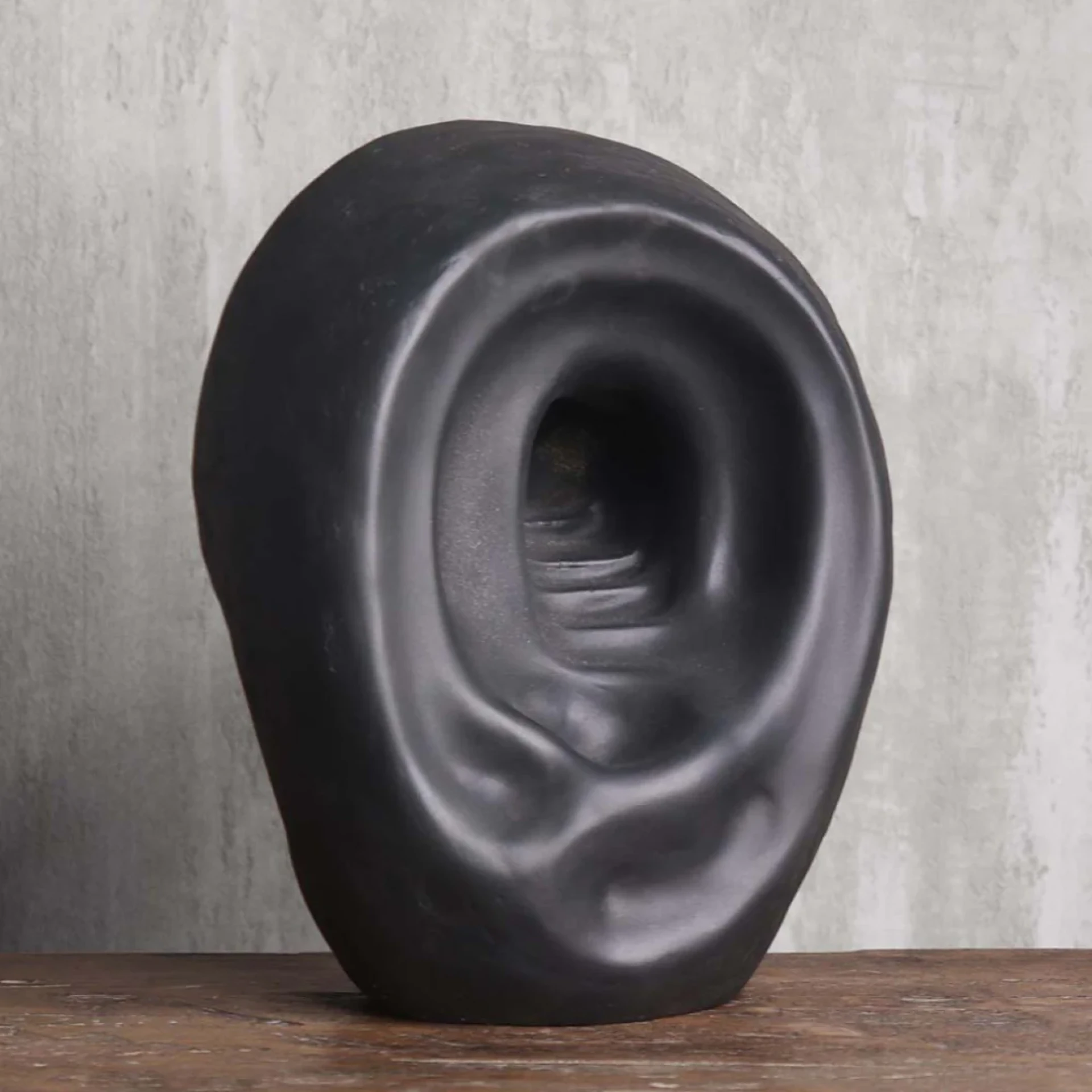
Abstract Sculpture is a fascinating form of artistic expression that moves beyond traditional representations of reality. By focusing on shapes, forms, and textures, abstract sculptures evoke emotions, provoke thought, and invite viewers to interpret their meaning freely. This art form has gained immense popularity in both public installations and private collections due to its unique ability to blend creativity with conceptual depth.
Characteristics of Abstract Sculpture
Abstract sculptures often feature:
- Non-Representational Forms: Unlike figurative art, abstract sculptures may not depict specific objects or beings but instead focus on symbolic or emotional expression.
- Creative Use of Materials: Artists frequently use metal, wood, stone, glass, or mixed media to create captivating structures.
- Emphasis on Geometry and Movement: Abstract sculptures often play with geometric shapes, fluid lines, and dynamic forms to challenge traditional artistic norms.
Popular Techniques in Abstract Sculpture
- Carving: Artists sculpt materials like marble, wood, or stone to create intricate designs.
- Assemblage: This method involves combining diverse objects or materials into a unified sculpture.
- Casting: Molten metal, resin, or plaster is poured into a mold to create distinct abstract shapes.
- Welding and Fabrication: Metalworking allows artists to construct expansive and bold sculptures with unique textures and patterns.
Famous Abstract Sculptors
- Henry Moore: Known for his large-scale bronze works, Moore blended organic forms with abstraction.
- Barbara Hepworth: Renowned for her smooth, geometric sculptures inspired by nature.
- Alexander Calder: Famous for his kinetic sculptures (mobiles) that emphasized balance and movement.
Incorporating Abstract Sculpture in Modern Spaces
Abstract sculptures can dramatically enhance interior and exterior designs. Key ways to include them are:
- Home Decor: Small abstract pieces add sophistication and intrigue to living rooms, offices, or entryways.
- Garden Installations: Metal or stone sculptures create striking focal points in outdoor landscapes.
- Corporate Spaces: Abstract sculptures are often used in offices and lobbies to convey creativity and innovation.
Conclusion
Abstract sculpture is an ever-evolving art form that encourages imagination and exploration. Whether displayed in galleries, parks, or homes, these sculptures captivate viewers with their unique forms and powerful symbolism. Investing in or admiring abstract sculptures is a rewarding way to engage with contemporary art and appreciate its limitless creativity.