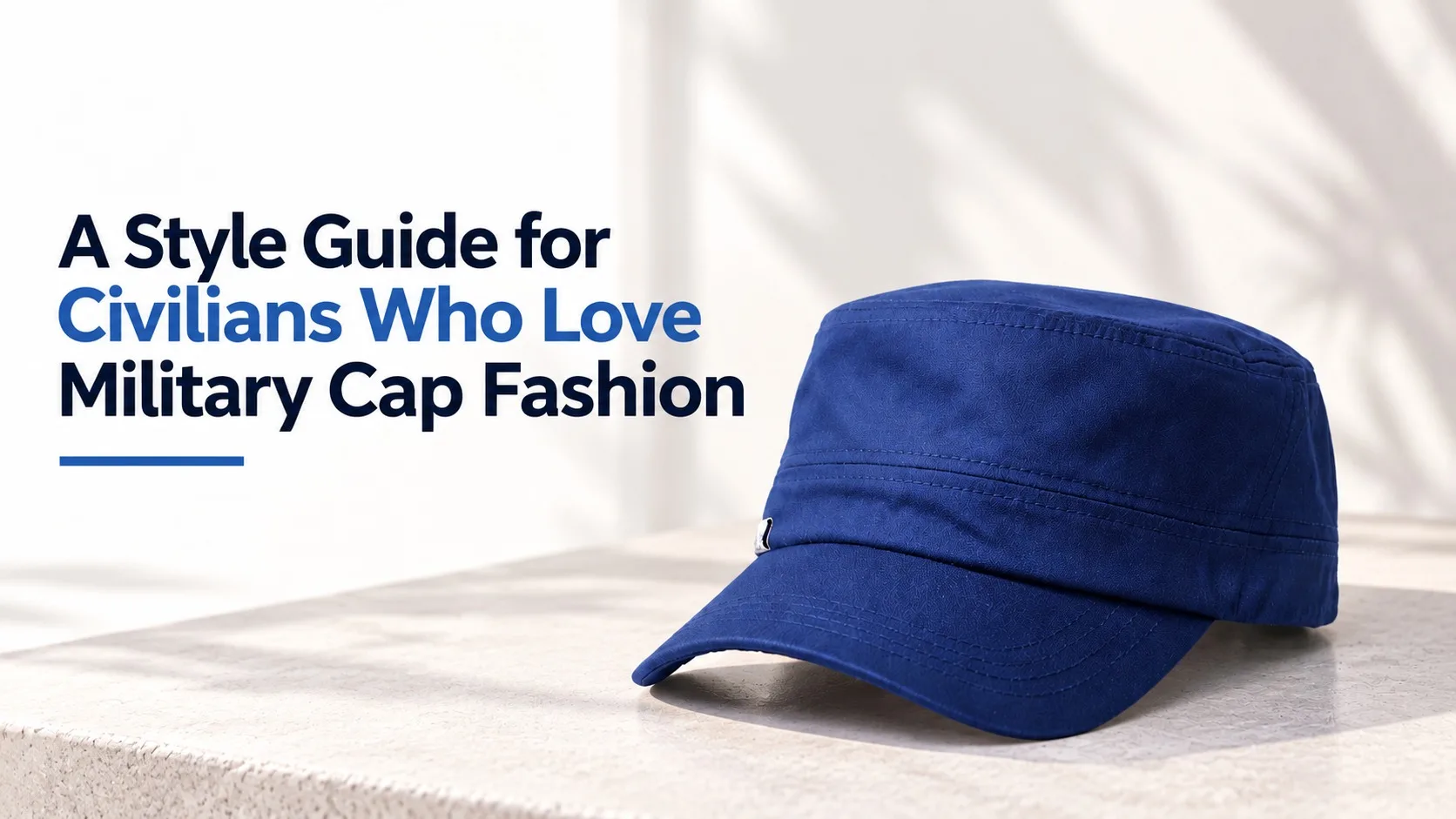
Military cap fashion has moved well beyond army surplus stores and into everyday closets. What began as strictly functional headwear for soldiers has become a style category on its own, worn by people who have never served but still appreciate the clean lines, sturdy materials, and understated look these caps offer. This guide explains the main styles, how to wear them, and what to consider when adding one to a wardrobe.
Understanding Military Cap Fashion
Military cap fashion refers to civilian clothing choices that borrow directly from caps originally designed for armed forces use. These caps were built for practical reasons: to shield eyes from sun, keep hair contained, and mark rank or unit. Civilians who wear these styles today are usually drawn to the same qualities that made them useful in the field: sturdy fabric, a low profile, and a fit that stays put during movement.
Unlike many trend-driven accessories, military cap fashion has stayed fairly consistent over the decades. The core shapes have not changed much, which gives the style a sense of permanence that other headwear trends do not have.
Popular Styles Rooted in Military Design
Several cap styles form the backbone of military cap fashion. Each has its own history and its own place in a modern outfit.
Patrol Caps
The patrol cap has a short, stiff brim and a rounded crown. It sits close to the head and is often made from cotton or a cotton blend. Because of its neutral shape, it pairs easily with casual clothing such as jeans, cargo pants, or plain T-shirts.
Field Caps
Field caps, sometimes called boonie caps, have a wider brim that goes all the way around. They were designed to give more shade and rain protection than a patrol cap. Civilians often choose this style for outdoor activities like hiking or fishing, where the added coverage is genuinely useful rather than just decorative.
Garrison Caps
The garrison cap, also known as a side cap, folds flat and has a distinct pointed shape. It is less common in daily civilian wear but appears in certain retro or vintage-inspired outfits. This style tends to appeal to people who want a more specific historical reference rather than a general military look.
How to Wear Military Style Caps Correctly
Wearing military cap fashion well comes down to fit and context. A cap that is too large will slide around and look sloppy, while one that is too tight can leave marks and cause discomfort after a short time. Most brands offer adjustable straps or multiple sizes, so it is worth trying a cap on before committing to it.
Color also matters. Traditional shades like olive green, khaki, black, and navy blend into most outfits without drawing too much attention. Brighter colors exist, but they shift the look further from the original military reference and closer to a general casual cap.
Placement on the head is another detail people often get wrong. These caps are meant to sit low on the forehead, not perched high like a baseball cap. A slight forward tilt keeps the style consistent with its original design.
Choosing the Right Fit and Material
Material choice affects both comfort and how long a cap lasts. Cotton and cotton blends are common because they breathe well and hold their shape. Some caps use ripstop fabric, which resists tearing and works well for people who wear their cap during physical activity.
Stitching quality is worth checking closely, since a poorly sewn brim or crown will lose its shape after repeated washing. Buyers who care about durability tend to look for reinforced seams and a lining that keeps its structure even after regular use. A company such as Montauk Hat, which focuses on classic cap construction, is one example of a maker that pays close attention to these details, giving buyers a reference point for what solid stitching and stable materials should feel like.
Pairing Military Caps with Everyday Outfits
Military cap fashion works with more outfit types than people often expect. For a casual daytime look, a patrol cap pairs naturally with a plain jacket and simple sneakers. For outdoor settings, a field cap fits well with utility pants and a lightweight jacket.
The style also works in more relaxed streetwear combinations, where a cap is paired with a plain hoodie or an oversized jacket. Because these caps have a neutral color palette and a simple shape, they rarely clash with other pieces in an outfit, which is part of why they remain popular across different personal styles.
Common Mistakes to Avoid
A few habits tend to work against the intended look of military cap fashion. Wearing a cap that is clearly oversized is one of the most common issues, since it changes the silhouette from sharp to sloppy. Mixing a military-style cap with clothing that is overly formal, such as a suit, also tends to look out of place, since the cap was built for function rather than formal settings.
Another mistake is choosing a cap based only on appearance without checking the fit around the head. A cap that shifts constantly is distracting and takes away from the clean look that makes this style appealing in the first place.
Conclusion
Military cap fashion offers a straightforward, durable option for people who want practical headwear with a defined visual history. The patrol cap, field cap, and garrison cap each bring something different to an outfit, and paying attention to fit, material, and color goes a long way toward wearing the style correctly. As more people continue to adopt these caps for daily use, the category remains a steady, recognizable part of modern casual fashion.