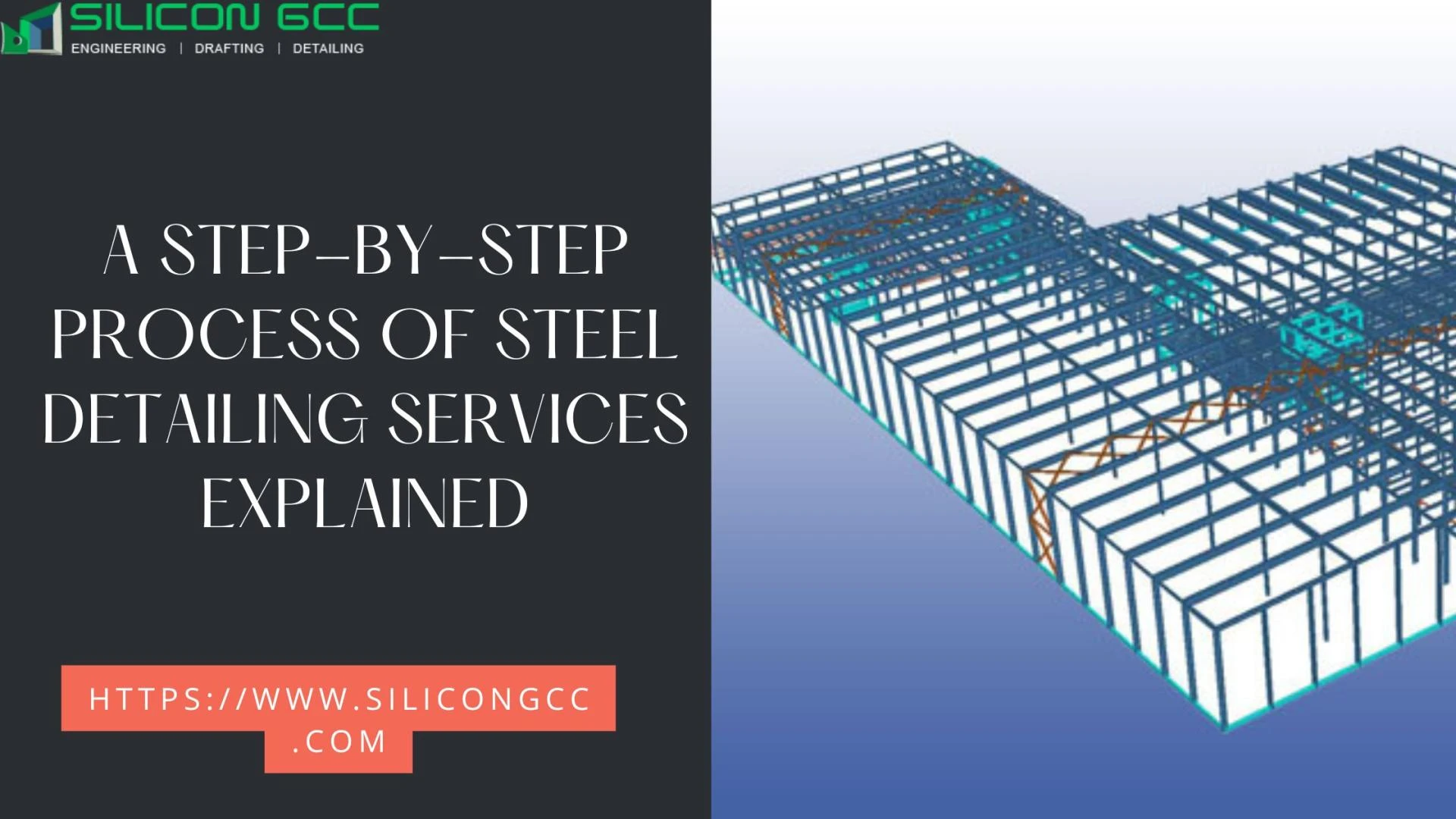
Steel detailing is essential for converting structural design ideas into clear, technically accurate documentation that can be confidently followed during project execution. It serves as a vital link between engineering concepts and fabrication requirements, ensuring that design intent is communicated without ambiguity. A Structured Steel Detailing process supports precision, consistency, and effective coordination across all project phases. This overview presents the step-by-step methodology of steel detailing services clearly and professionally, allowing industry professionals to easily grasp how each phase contributes to dependable and well-organized structural results.
Understanding the Purpose of Steel Detailing
Steel detailing focuses on developing detailed drawings and models that represent every structural steel component accurately. These documents define member sizes, connections, dimensions, orientations, and relationships between elements. Through a systematic approach, detailing teams convert design drawings into practical information that fabricators and erectors can rely on with confidence.
Review of Design and Reference Documents
The steel detailing process begins with a thorough review of structural design drawings, specifications, and reference standards. At this stage, detailers carefully study architectural layouts, structural plans, and engineering notes to understand the overall framework of the structure. Any ambiguities or missing information are identified early, reducing the possibility of coordination issues later in the workflow.
Model Setup and Project Planning
Once the design intent is clearly understood, the project setup phase begins. Detailing teams define modeling standards, drawing formats, layer conventions, and naming systems. This structured planning ensures consistency across all drawings and models. Coordination requirements with architectural and MEP disciplines are also considered to maintain alignment throughout the project.
Structural Steel Detailing
This stage focuses on creating accurate representations of beams, columns, bracings, trusses, and connection elements. Each component is modeled with exact dimensions and positions based on approved structural inputs. Structural steel detailing ensures that every steel member fits precisely within the overall framework while maintaining compliance with engineering standards and project requirements.
Development of Detailed Connection Information
Connections are a critical aspect of steel detailing. Detailers define bolt sizes, weld symbols, plate dimensions, and connection configurations based on engineering guidelines. Clear representation of connections improves understanding and reduces misinterpretation during fabrication. This step enhances structural integrity by ensuring load transfer is clearly defined across all joints.
Steel Detailing Services
Professional steel detailing services bring together technical expertise, industry standards, and practical knowledge. These services ensure drawings are clear, coordinated, and easy to interpret. By maintaining accuracy at every stage, steel detailing services contribute to smoother project execution and improved communication between all stakeholders.
Creation of Fabrication-Ready Drawings
After modeling and connection detailing, fabrication drawings are developed. These drawings provide precise instructions for cutting, drilling, and assembling steel components. Each drawing includes part marks, dimensions, material specifications, and assembly references. High-quality fabrication drawings reduce ambiguity and support efficient workflow management.
Steel Fabrication Drawings
Steel fabrication drawings represent individual steel components and assemblies in a clear, structured format. They act as a technical reference for production teams, ensuring that every element is produced according to the approved detailing information. Accuracy at this stage directly supports quality control and project consistency.
Integration of BIM-Based Workflows
Modern projects often rely on advanced digital processes to improve coordination and visualization. BIM-based steel detailing allows teams to work within a shared model environment, reducing clashes and improving overall clarity. This approach enhances collaboration between structural, architectural, and MEP disciplines while supporting better decision-making.
BIM Steel Detailing Services
BIM steel detailing services provide intelligent 3D models that contain both geometric and non-geometric information. These models allow stakeholders to visualize complex steel frameworks clearly, identify coordination challenges early, and maintain consistent data across drawings and schedules. BIM-based detailing improves transparency and enhances workflow efficiency.
Quality Checks and Internal Review
Before submission, all drawings and models undergo a detailed internal review. Experienced professionals verify dimensions, member alignment, connection accuracy, and compliance with standards. This review process ensures that drawings are consistent, complete, and free from discrepancies. Quality checks play a vital role in maintaining professional credibility and project reliability.
Coordination and Revision Management
Steel detailing is an iterative process that requires coordination with engineers and other disciplines. Feedback is carefully incorporated, and revisions are tracked systematically. Maintaining proper revision control ensures that the latest information is reflected across all documents, reducing confusion and maintaining workflow clarity.
Final Deliverables and Documentation
Once all revisions are approved, final drawings and models are prepared for release. These deliverables are organized, clearly labeled, and aligned with project documentation standards. A well-structured submission package supports smooth downstream processes and reinforces professional project execution.
Role of Experienced Detailing Partners
Working with a skilled steel detailing partner ensures that each step of the process is handled with precision and technical understanding. Companies like S E C D Technical Services LLC follow disciplined workflows, industry standards, and structured review practices to deliver dependable steel detailing solutions that align with complex project requirements.
Conclusion
A step-by-step steel detailing process ensures clarity, accuracy, and coordination from concept to completion. By carefully reviewing design inputs, developing precise models, preparing detailed drawings, and applying rigorous quality checks, steel detailing services support reliable structural outcomes. When executed with professional expertise and systematic planning, steel detailing becomes a vital contributor to successful structural projects across diverse building sectors.