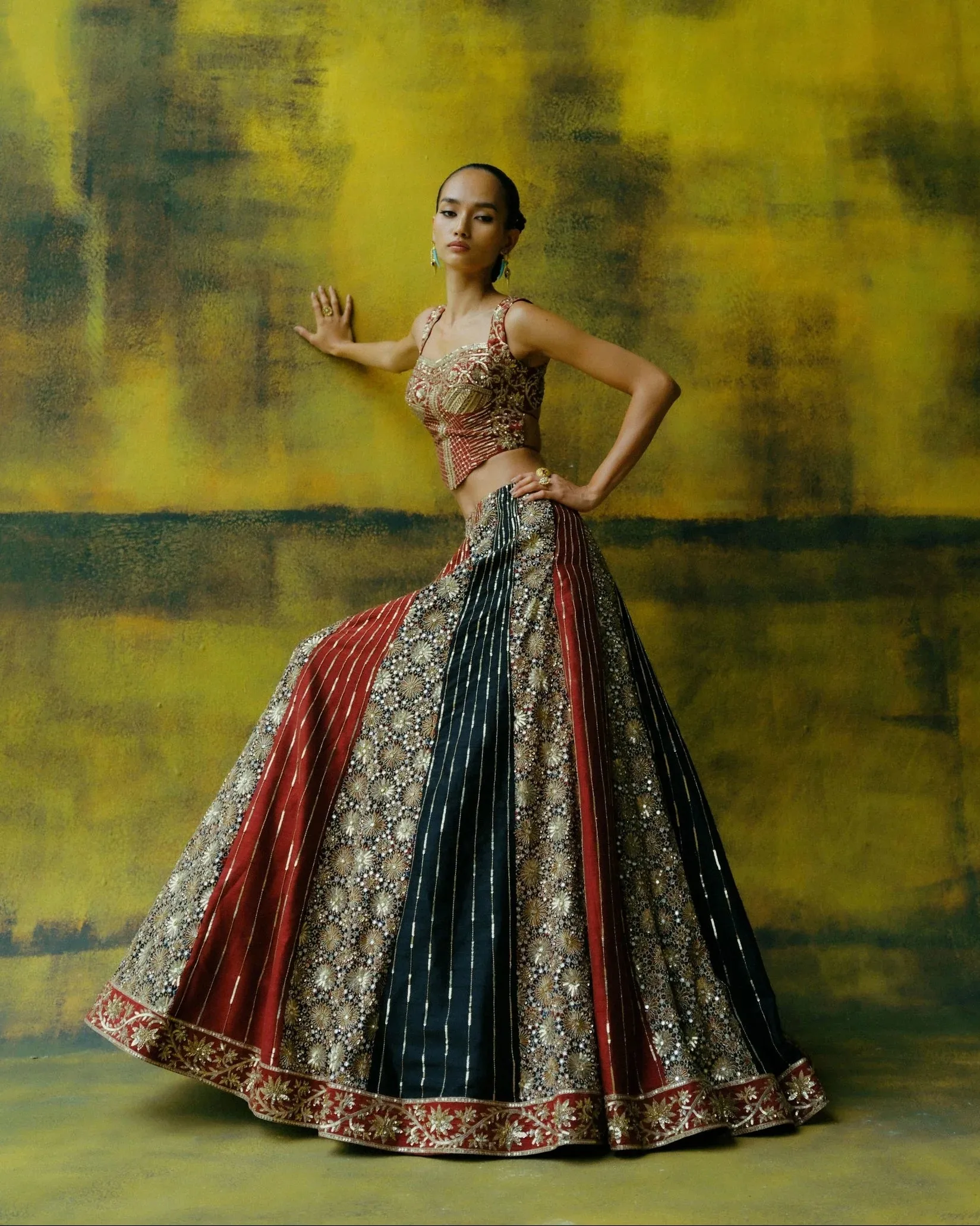

Shopping for a dress used to mean an afternoon of racks, dressing rooms, and store clerks pulling sizes for you. Now most of that decision-making happens on a screen, which means the burden of getting fit, fabric, and style right shifts onto you. That is not a bad thing once you know what to look for. A little preparation before you start scrolling turns an overwhelming task into a fast, satisfying one, whether you are dressing for a wedding, a gala, or a night out. The upside is real: a far wider range of sizes, silhouettes, and designers than any single boutique could stock, along with the ability to compare options side by side without feeling rushed. The trade-off is that you lose the in-person fitting, so the preparation below exists to close that gap before you ever place an order.
Start With Your Actual Measurements, Not Your Usual Size
Sizing varies enormously between designers, and a number that fits perfectly in one brand can run tight or loose in another. Before you open a single product page, take four measurements with a soft tape: bust at the fullest point, natural waist, hips at the widest point, and torso length from shoulder to the point where you want a dress to hit. Keep these written down somewhere handy, because you will use them every time you shop rather than relying on memory of "what size I usually wear."
• Bust — measured around the fullest part, tape parallel to the floor
• Waist — the natural crease when you bend slightly to one side
• Hip — the widest point, typically several inches below the waist
• Length — shoulder to desired hemline, useful for petite or tall adjustments
Once you have these, compare them against the specific size chart on each product page rather than trusting a general "small, medium, large" label. Designer-specific charts exist because cut and proportion differ house to house, and a chart is the closest thing you have to an in-store fitting when you cannot try before you buy.
Choose a Silhouette Before You Choose a Color
Color and embellishment catch the eye first, but silhouette is what actually determines whether a dress flatters your body. An A-line skirt skims the hip and works well for pear and hourglass shapes alike. A sheath or column gown suits a straighter frame or anyone who wants to elongate their line, while a fit-and-flare gently nips the waist and releases at the thigh, forgiving through the midsection while still showing shape. If you are fuller through the bust, a wrap or surplice bodice creates definition without pulling tight across the chest. When you shop for women dresses online, filtering by silhouette before color saves time, because it narrows hundreds of options down to the handful that will genuinely work with your proportions.
• A-line — balances proportions, forgiving through hips and midsection
• Sheath — follows the body's line, best with confidence in waist definition
• Fit-and-flare — defines the waist, flatters most body types
• Mermaid or trumpet — dramatic and fitted, best for a strong foundation garment
Let Fabric and Season Guide the Details
The way a fabric moves matters as much as its color. Chiffon and georgette drape softly and flow with movement, making them ideal for outdoor or warm-weather events where you want ease rather than structure. Satin and mikado hold shape and shine, better suited to evening events with formal lighting where you want the fabric to catch the room. Velvet and heavier crepe read as cold-weather fabrics and pair naturally with jewel tones, while pastels and lighter weaves feel right for spring and summer. If you are shopping months ahead, think about where the event falls on the calendar and choose a weight that will feel comfortable in that climate, not just one that photographs well online.
Read the Return Policy Before You Add to Cart
Even with careful measuring, online dress shopping sometimes means a size or two arriving so you can compare in person. Before ordering, check whether the retailer allows exchanges on formalwear, what the window looks like, and whether alterations tags need to stay attached. Ordering slightly early gives you room to have a seamstress take in a waist or shorten a hem, which is often the difference between a dress that fits and one that fits beautifully. It also helps to note how the retailer handles shipping timelines around holidays or peak wedding and prom seasons, since a policy that feels generous in a slow month can feel much tighter when everyone else is ordering formalwear at the same time.
A Final Pass Before You Check Out
Run through a short list before finalizing any order: confirm the size chart matches your own measurements rather than your usual label size, check the fabric content for how it will feel against skin and how it packs for travel, verify the return window in case alterations are needed, and consider the shoes and undergarments the silhouette will require. A dress bought with these details in mind arrives feeling like it was chosen specifically for you, because in every way that matters, it was.