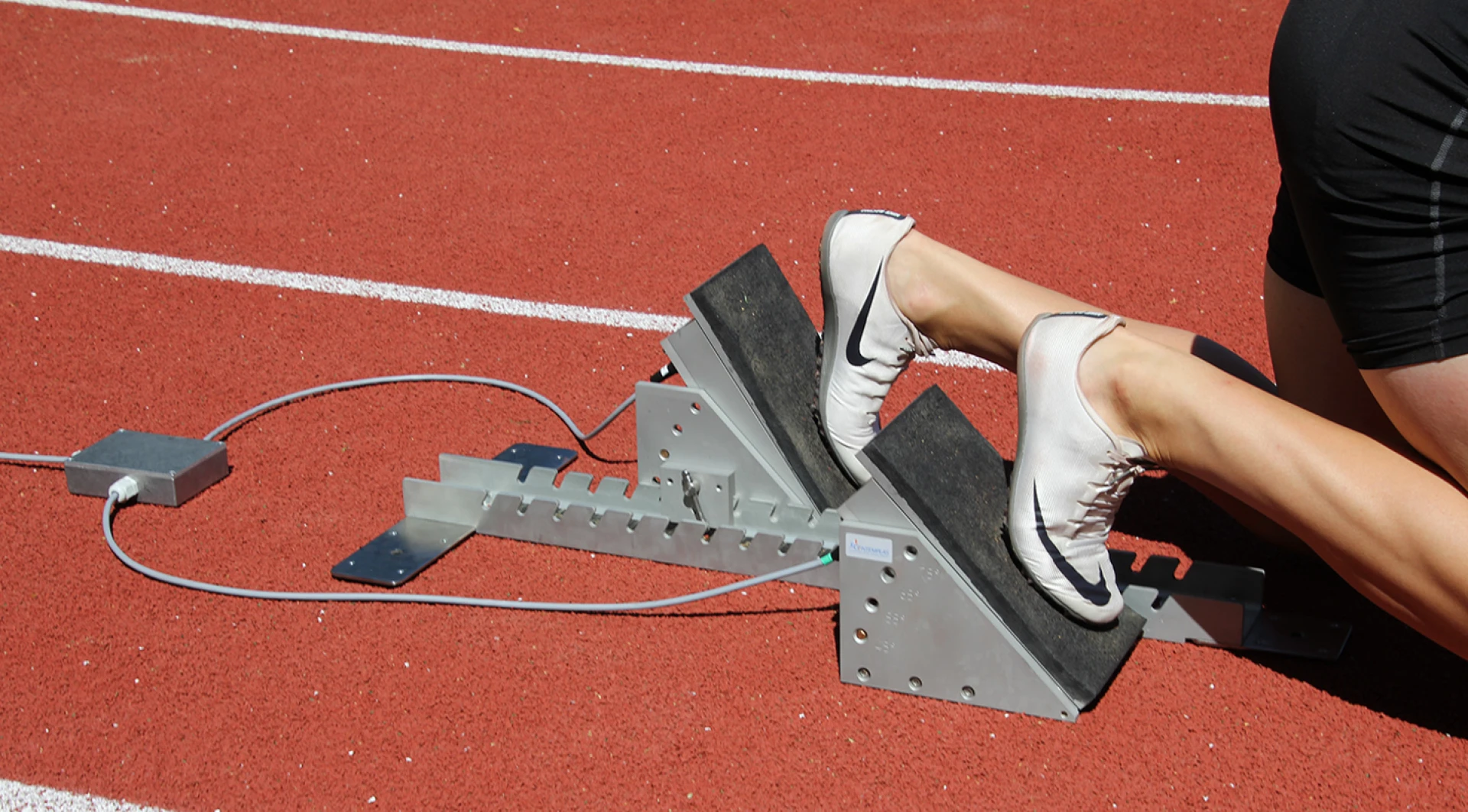
Understanding the Starting Block Analyzer
In the world of athletics, every second matters. Whether you're running a 100-meter sprint or competing in a hurdle race, how you start can decide how you finish. That’s where the Starting Block Analyzer comes into play. This tool helps athletes measure, study, and improve their performance during the critical moments when they launch from the starting blocks.
The Starting Block Analyzer is a modern, digital device used by coaches and athletes to collect data during sprint starts. It measures key metrics such as force, reaction time, push-off angle, and balance. These numbers give a clear picture of how an athlete performs in those crucial first seconds of a race. With the help of this data, sprinters can work on their technique and reduce errors that may be slowing them down.
This tool is becoming very popular in training centers, sports schools, and professional teams around the world. Even amateur athletes are now starting to see the value of using a Starting Block Analyzer to get a deeper understanding of their start performance.
In this article, we will explore everything about the Starting Block Analyzer in very simple language. We’ll look at how it works, why it’s important, the benefits it brings, how to use it, common mistakes to avoid, and tips for getting the best results. Let’s begin!
What Is a Starting Block Analyzer?
A Starting Block Analyzer is a high-tech tool used by athletes, especially sprinters, to examine and improve their start from the blocks. It’s like a smart device that tells you how well you pushed off, how balanced you were, and how fast your reaction time was.
The analyzer looks like a regular set of starting blocks, but it has sensors and wires built inside. These sensors collect detailed information whenever a runner uses the blocks. The collected data goes to a computer or tablet, where it is shown in graphs and numbers. Coaches and athletes then study this data to see what’s going right and what needs improvement.
Here are some of the main things the analyzer checks:
- Reaction Time: How quickly you respond to the starting signal.
- Push Force: How strong your legs push against the blocks.
- Balance and Weight Distribution: Whether your body weight is evenly spread or not.
- Angle of Push-Off: The direction in which you launch off the blocks.
All these details help in making small but important changes to your sprint technique. For example, if the data shows that your left leg is pushing harder than your right, you can work on balancing your strength. Or if your reaction time is slow, you can practice drills to improve it.
This tool is now being used in Olympic-level training, professional sports academies, and even high schools. It’s helping athletes move from good to great by fixing the smallest issues that were earlier hard to notice.
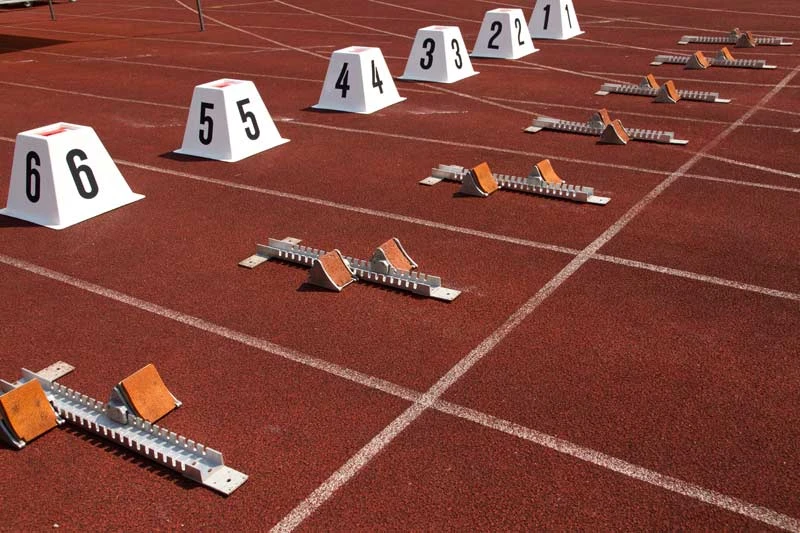
Why This Tool Is So Important
The Starting Block Analyzer may seem like a simple gadget, but it plays a big role in an athlete’s training journey. For many runners, the first step of the race can mean the difference between winning and losing. That’s why every detail of that first move must be perfect.
Here’s why this tool is very important:
- Improves Performance: By understanding where you're going wrong in your start, you can fix it and improve your overall speed.
- Tracks Progress: You can compare your current data with old data to see how much you’ve improved over time.
- Helps Coaches: Coaches can stop guessing and start training with real numbers. This saves time and gives better results.
- Reduces Injuries: If your push is not balanced, it could lead to muscle strain. The analyzer can catch such issues early.
- Builds Confidence: When you know your start is strong, it gives you mental confidence for the rest of the race.
Imagine running with more power, better speed, and more confidence—all because you studied your start using the analyzer. Athletes who use this tool are usually more prepared and more aware of their body movements. This tool doesn’t replace hard work, but it does make sure your hard work is going in the right direction.
Even for beginner athletes, understanding the technical side of sprinting is a huge advantage. The Starting Block Analyzer brings a smart approach to training that wasn’t available years ago.
How Does It Actually Work?
The working of a Starting Block Analyzer is both simple and smart. It looks like any other set of starting blocks, but inside it are small pressure sensors and force plates. These measure how much force you use, where the force is applied, and how fast you move.
Here’s a basic step-by-step of how it works:
- Setup the Analyzer: Place it on the track like normal blocks. It’s usually connected to a laptop or mobile device through Bluetooth or cable.
- Start the Run: The athlete gets into the sprint position and starts running when the signal is given.
- Sensors Collect Data: As the athlete pushes off the blocks, sensors inside measure the time, pressure, and angle of force.
- Data Display: The information is immediately shown on a screen in the form of numbers and charts.
- Analysis: Coaches and athletes look at the data to spot mistakes and find ways to improve.
The data might look technical at first, but many software programs now present the data in a simple, easy-to-read format. You can see where your legs pushed more, which direction your body moved, and how quickly you reacted.
Some analyzers also come with built-in video recording, which helps you match the movement with the data. This combination of visual and technical analysis gives a full picture of your performance.
Main Benefits for Sprinters
Using a Starting Block Analyzer can bring many positive changes for sprinters. Even if you are already fast, this tool helps you become faster. Here are the biggest benefits:
- Detailed Feedback: Instead of guessing how good your start was, you now get actual numbers.
- Faster Improvements: With clear data, you can work on exact problems and fix them quickly.
- More Powerful Starts: By analyzing your push strength, you can improve your take-off power.
- Better Technique: You learn how to place your feet, how to balance your body, and how to lean forward correctly.
- Less Fatigue: Efficient starts use less energy, so you save strength for the rest of the race.
One of the best things about this tool is that it turns training into a smart process. Every session becomes more focused. It also helps in creating personal training plans. Not every athlete is the same. Some may need to work on reaction time, while others need better balance. The analyzer shows which area you should target.
Sprinters around the world are now adding this tool to their regular training routines. Many say they feel more aware of their body and more confident in races after using it.
Common Mistakes to Avoid
Even though the Starting Block Analyzer is a great tool, you must use it correctly to get the best results. Many athletes make common mistakes that reduce its usefulness. Here are some mistakes to avoid:
- Ignoring the Data: Just looking at the numbers is not enough. You must understand what they mean and how to act on them.
- Not Using It Regularly: Using the analyzer once in a while won’t help much. You need to track your data regularly to see real improvements.
- Focusing Only on One Metric: Some athletes only look at reaction time and ignore other factors like balance or push strength.
- Bad Posture During Start: No tool can help you if your basic posture is wrong. Practice correct form every time.
- Skipping Warm-Up: Cold muscles can give poor results. Always warm up before using the analyzer for correct readings.
By avoiding these mistakes, you make sure the tool gives you true and helpful information. Also, listen to your coach and combine their advice with the analyzer’s feedback for the best outcome.
Tips for Best Use and Results
To make full use of the Starting Block Analyzer, here are some tips that every athlete should follow:
- Use it With a Coach: A coach can help you understand the data and create a plan to improve.
- Keep a Logbook: Write down your results after each session to track progress over weeks or months.
- Watch Video with Data: If possible, use video replay along with the data to match movement with results.
- Compare with Past Results: Always compare your new data with previous sessions to see improvements.
- Practice Consistency: Use the analyzer often but in the same way each time for fair comparisons.
- Work on Weak Areas: If the data shows low push force in one leg, do drills to strengthen that side.
Also, remember that the analyzer is a helper, not a magic fix. You still need to work hard, train regularly, and stay focused. But with this smart tool by your side, your chances of success increase a lot.
Conclusion: Train Smarter, Start Faster
The Starting Block Analyzer is more than just a device—it’s a game-changer for athletes who want to sprint smarter and faster. In today’s competitive sports world, small changes lead to big wins. By using this tool, you’re not just training hard—you’re training smart.
It helps you understand your body better, improve your start technique, avoid injuries, and become more confident on the track. Whether you’re a beginner, a school athlete, or a professional sprinter, the analyzer gives you the edge you need.
Investing time in learning and using the Starting Block Analyzer can give you real, lasting benefits. And in the world of racing, even a tiny advantage can mean the difference between first and second place.
Questions and Answers (Q&A)
Q1: What is a Starting Block Analyzer?
A: It is a smart device used to measure how an athlete starts a sprint. It checks things like reaction time, push strength, and balance.
Q2: Who should use a Starting Block Analyzer?
A: Sprinters of all levels—beginners, students, and professionals—can use it to improve their performance.