
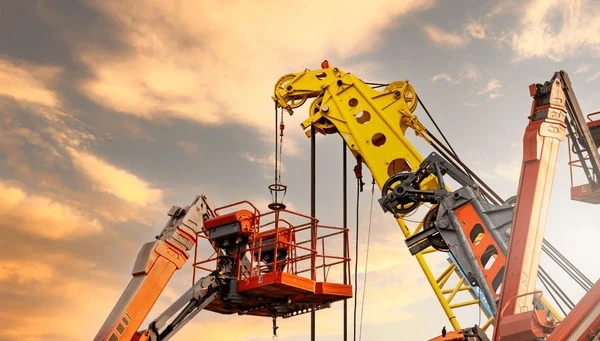
When people think about building work, they often imagine bricks, scaffolding, and workers in hard hats. What they may not picture right away is the powerful machinery quietly doing the heavy lifting behind the scenes. In a historic yet fast-growing city like Cambridge, construction projects range from restoring old buildings to putting up modern homes, offices, and research spaces. Many of these tasks rely on cranes to move heavy items safely and efficiently.
This article is designed to explain crane hire in a clear, friendly way. You do not need an engineering background to understand it. Think of this as a practical guide that breaks down what cranes are used for, why hiring one makes sense, and how the process works in Cambridge. By the end, you should feel confident about when and why someone might choose to hire crane in Cambridge for a project, whether large or small.
Why Cranes Are So Important in Construction
Imagine trying to move a grand piano up to a third-floor flat using only your hands. It would be risky, exhausting, and likely to end badly. A crane works like a super-strong arm that can lift heavy objects and place them exactly where they are needed.
Cranes are essential because they:
- Lift heavy materials that people simply cannot carry
- Reduce the risk of injury on site
- Speed up work by moving items in minutes instead of hours
- Allow building work in tight or high-up spaces
In Cambridge, where many streets are narrow and buildings can be close together, cranes help builders work efficiently without causing unnecessary disruption.
Common Projects That Use Cranes in Cambridge
Cranes are not just for huge skyscrapers. They are used in many everyday projects around the city.
Home Building and Renovations
When a new house is being built, cranes can lift roof sections, steel beams, or large timber frames into place. For renovations, they might help install heavy windows, solar panels, or air-conditioning units.
Commercial and Office Developments
Office buildings, laboratories, and retail spaces often require strong lifting equipment. Cranes help move large structural parts, glass panels, and machinery needed for modern workplaces.
University and Research Facilities
Cambridge is famous for its academic institutions. Building and upgrading research facilities often involves sensitive, expensive equipment. Cranes allow this equipment to be placed carefully, much like using a steady hand to place a fragile ornament on a high shelf.
Infrastructure and Public Works
Road improvements, bridge repairs, and utility upgrades also rely on cranes. They help position
large pipes, concrete sections, and other materials accurately and safely.
Understanding Crane Hire in Simple Terms
Hiring a crane is similar to hiring a delivery van with a professional driver. You are not just paying for the machine; you are also getting skilled people who know how to operate it safely.
Instead of buying a crane—which would be like buying a bus just to drive to the shops once a year—you rent it only when needed. This saves money, storage space, and maintenance worries.
A typical crane hire arrangement includes:
- The crane itself
- A trained operator
- Safety planning and setup
- Transport to and from the site
This approach makes crane use accessible even for short or one-off projects.
Types of Cranes You Might See Around Cambridge
Not all cranes look the same, and each type suits different tasks. Understanding them is easier if you think of them as tools in a toolbox.
Mobile Cranes
These are like large, strong vehicles with a lifting arm. They can drive to a site, set up quickly, and move on when the job is done. Mobile cranes are popular in Cambridge because they work well in limited spaces.
Tower Cranes
You may recognize these tall cranes from city skylines. They are fixed in one place for long periods and are ideal for taller buildings. Think of them as a sturdy ladder with a powerful hook at the top.
Compact or Small Cranes
For indoor projects or tight areas, smaller cranes are used. They are similar to using a small step ladder instead of a full-size ladder when working inside your home. Each type has its place, and choosing the right one depends on the job, location, and weight of materials.
Planning Before Hiring a Crane
Good planning makes all the difference. Before hiring a crane, several questions need answering.
What Needs to Be Lifted?
The weight, size, and shape of items matter. Lifting a steel beam is very different from lifting a glass panel. Accurate information helps ensure the crane chosen is strong enough.
Where Will the Crane Be Positioned?
Space is often limited in Cambridge. Roads, pavements, and nearby buildings must be considered. Planning is like choosing where to park a car so you can easily unload shopping bags.
How Long Will the Crane Be Needed?
Some jobs take a few hours; others last several days or weeks. Hiring for the right amount of time avoids delays and extra costs.
Are Permits Required?
Depending on the location, permission may be needed from local authorities. This is especially true if the crane will be set up on a public road or footpath.
Safety: A Top Priority
Cranes are powerful machines, and safety is taken very seriously. Reputable providers follow strict rules to protect workers and the public.
Trained Operators
Crane operators undergo extensive training. They learn how to control the crane smoothly, judge distances accurately, and respond to unexpected situations.
Site Checks and Risk Assessments
Before lifting begins, the area is checked for hazards. This is similar to checking the weather before going on a long walk—it helps avoid unpleasant surprises.
Clear Communication
Hand signals, radios, and clear instructions ensure everyone on site knows what is happening. This teamwork keeps operations running smoothly.
The Benefits of Hiring Instead of Buying
For most projects, hiring a crane makes far more sense than owning one.
Cost Savings
Buying a crane is extremely expensive. Hiring allows access to the equipment without the large upfront cost.
No Maintenance Hassles
Maintenance, repairs, and inspections are handled by the hire company. You can focus on the project instead of worrying about machinery upkeep.
Access to Expertise
Hiring often includes advice on the best crane for the job. This guidance can prevent costly mistakes and delays.
This is why many builders and contractors rely on a trusted crane rental service rather than investing in their own equipment.
Environmental Considerations
Modern crane hire companies are increasingly aware of environmental concerns. Newer cranes are more fuel-efficient and quieter, which is important in residential areas of Cambridge.
Careful planning also reduces unnecessary lifts and idling time. This is similar to planning a car journey to avoid traffic, saving both fuel and time.
Choosing the Right Crane Provider in Cambridge
Selecting a provider is about more than price. Reliability, experience, and local knowledge all matter.
Local Experience
A company familiar with Cambridge understands local roads, regulations, and common challenges. This experience can make the process smoother from start to finish.
Clear Communication
Good providers explain everything clearly, from costs to schedules. There should be no confusing surprises.
Strong Safety Record
A proven commitment to safety shows professionalism and care for everyone involved.
What to Expect on the Day of the Lift
On the day the crane arrives, things usually move quickly. The crane is delivered, set up, and checked before lifting begins.
You may see barriers placed around the area, and workers coordinating closely. Each lift is planned and executed carefully, much like a well-rehearsed dance where everyone knows their role.
Once the job is done, the crane is dismantled and removed, leaving the site ready for the next stage of work.
Conclusion
Cranes play a vital role in shaping Cambridge’s buildings, homes, and infrastructure. They make it possible to lift heavy materials safely, efficiently, and accurately, even in tight or historic spaces. Hiring a crane is a practical solution that offers flexibility, expert support, and peace of mind.
By understanding how crane hire works, what to expect, and why planning matters, anyone involved in a building project can make informed decisions. Whether it is a small renovation or a large development, the right crane at the right time can make all the difference—turning a challenging task into a smooth and successful operation.