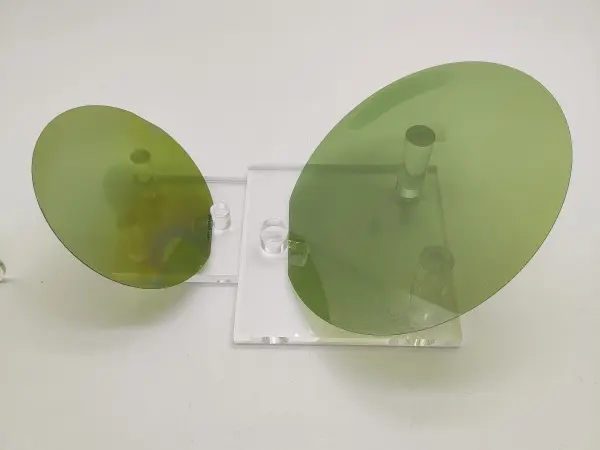
Introduction: Why SiC Substrates Matter
In modern electronics, SiC substrates are reshaping industries such as power devices, renewable energy, and electric vehicles. With superior thermal conductivity and higher efficiency compared to silicon, they are becoming the go-to choice for engineers and manufacturers. If you want an in-depth overview of substrate types and their applications, you can check out this practical guide on SiC substrates.
Understanding SiC Substrates
Silicon Carbide wafers offer:
- High breakdown voltage
- Excellent thermal performance
- Lower energy loss
- High-temperature stability
These properties make them ideal for power conversion, RF applications, and demanding industrial systems.
Types of SiC Substrates
- N-Type SiC Wafers – Higher electron mobility, perfect for high-frequency and high-power electronics.
- P-Type SiC Wafers – Low leakage currents, reliable for stable low-current applications.
- Semi-Insulating Substrates – Used in RF and microwave applications, preventing parasitic conduction.
For more details about these substrate options, you can read this comprehensive SiC substrate article, which explains their benefits for real-world applications.
Key Factors to Consider
- Crystal Quality: Defect-free wafers improve efficiency and yield.
- Wafer Thickness & Diameter: Larger diameters enable higher production output.
- Doping Type: Defines conductivity and breakdown voltage.
- Thermal Management: SiC substrates excel in dissipating heat in power devices.
- Cost vs Performance: High-quality wafers may cost more but deliver long-term value.
If you’re looking for a reliable SiC wafer supplier with consistent quality, it’s important to compare options carefully before committing.
Applications of SiC Substrates
- Electric Vehicles (EVs): Motor drives, fast charging, and inverters
- Renewable Energy: Solar inverters and energy storage
- Industrial Power Supplies: High-performance power converters
- RF and Microwave Devices: Telecom and radar systems
- Aerospace & Automotive: High-temperature, high-stress environments
Conclusion
The right SiC substrate can dramatically improve device performance, reliability, and energy efficiency. Whether you choose N-type, P-type, or semi-insulating wafers, making the right decision depends on your application requirements and supplier quality.
For trusted information and access to premium wafers, explore JX T Wafer or dive deeper into the subject with this detailed guide.