
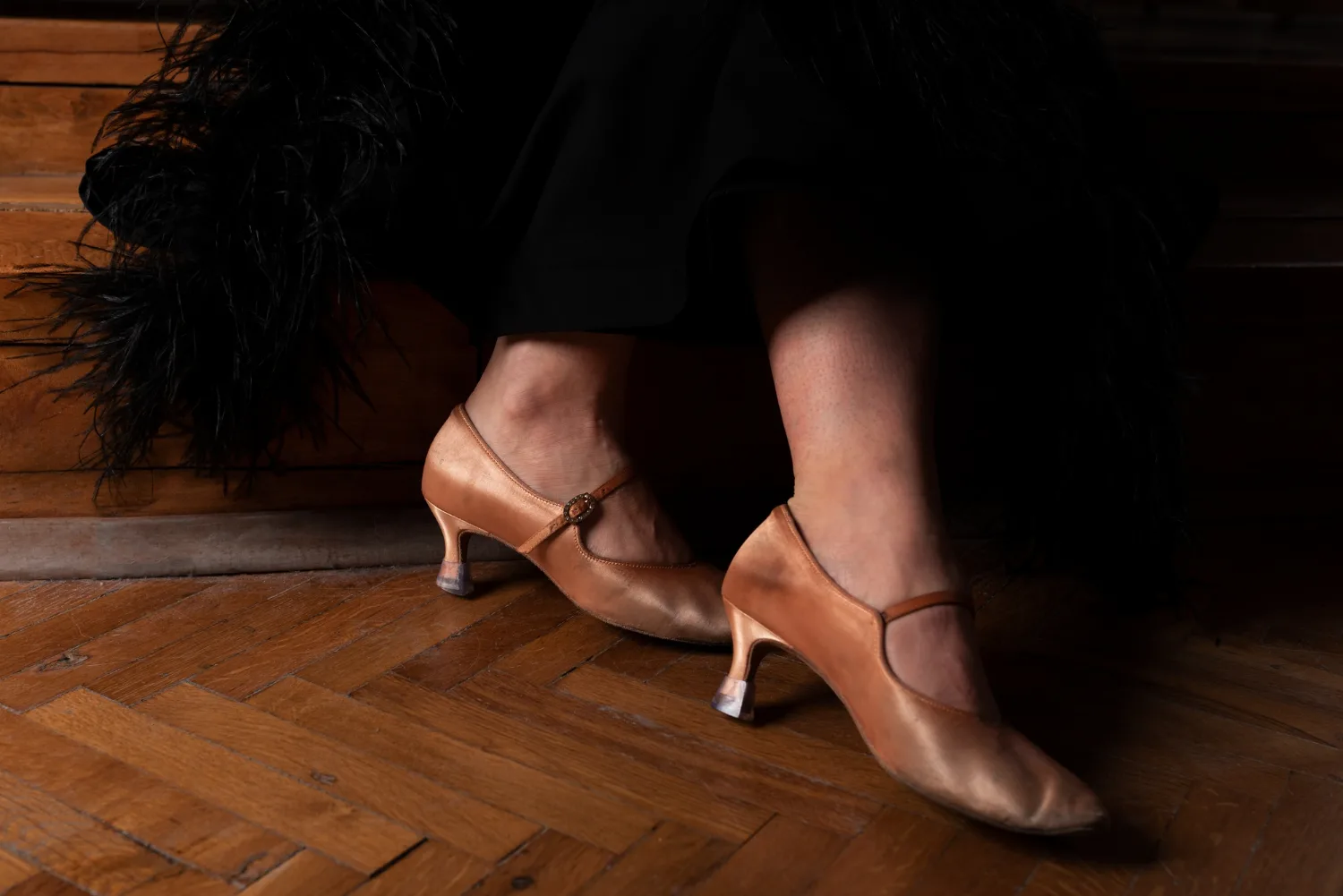
The right footwear can influence how comfortably and confidently you move on the dance floor. Dancers need shoes that can handle turns, weight transfers, quick footwork, and repeated practice without getting in the way. Choosing dance shoes womens requires more than selecting an appealing design. Fit, flexibility, heel height, sole construction, and your preferred dance style should all be considered. Aida Dance USA offers specialized footwear for ballroom, Latin, Smooth, Rhythm, and practice dancing.
Why Dance Shoes Are Different
Built Around Dance Movements
Everyday shoes are designed mainly for walking and general use. Dance footwear is constructed to support controlled movement across a dance floor.
Important features to consider include:
- Flexible construction for natural foot articulation
- A secure fit that minimizes unnecessary movement
- Appropriate sole construction
- A manageable heel height
- Materials suited to repeated use
- Lightweight construction
A properly selected shoe can help you focus on your technique rather than constantly adjusting your footwear.
Start With Your Dance Style
Identify How You Spend Time on the Floor
Different dance styles place different demands on footwear. Latin dancers may prioritize flexibility and foot articulation, while ballroom dancers may have different preferences for heel configuration and floor contact.
Before choosing a pair, consider whether you primarily participate in:
- Ballroom
- Latin and Rhythm
- Smooth
- Social dancing
- Competitive dancing
- Studio practice
Your experience level and practice schedule can also influence which features matter most.
Finding the Right Fit
Consider Foot Shape and Stability
Fit is one of the most important factors when selecting dance shoes for women. A shoe that is too loose can shift during turns, while an excessively tight shoe can create pressure and limit natural movement.
Aida Dance USA's fitting guidance recommends checking:
- Toe placement
- Heel security
- Vamp fit
- Width
- Overall stability
The toes should reach the appropriate edge of the shoe, while the heel should sit securely without excessive empty space. The vamp should feel snug without crushing the foot.
Remember that your everyday shoe size may not automatically translate to dance footwear. Check the manufacturer's sizing information for the particular style you are considering.
Choosing Ballroom Footwear
Match Shoes to Your Dance Requirements
For dancers specifically seeking ballroom dance shoes for women, the type of ballroom dancing you practice should influence your choice. Waltz, Foxtrot, Tango, Viennese Waltz, and Quickstep involve different movement patterns.
Consider:
- Your primary ballroom style
- Dancing experience
- Practice frequency
- Preferred heel height
- Competition requirements
- Desired flexibility
Thinking about these factors before ordering can make it easier to find footwear that works with your established technique.
Heel Height and Balance
Find a Manageable Configuration
Heel height can influence balance and weight distribution. Dancers often develop preferences based on their experience and the movements they perform regularly.
When comparing ballroom dance shoes for women, think about:
- Your ability to maintain balance
- Preferred heel height
- Dancing experience
- Length of practice sessions
- Type of ballroom dancing
The most suitable heel should complement your technique and allow controlled movement without creating unnecessary difficulty.
Flexibility and Floor Contact
Support Natural Movement
Dance requires precise movement through the feet. Footwear needs enough flexibility to allow natural articulation while providing sufficient structure for stability.
Look for:
- Controlled flexibility
- Secure foot placement
- Consistent floor contact
- Smooth turning capability
- A sole suited to the dance floor
Aida Dance USA offers Ballroom, Smooth, Latin, Rhythm, and Practice footwear, allowing dancers to explore options according to their discipline.
Comfort During Extended Practice
Consider More Than the First Few Minutes
A shoe can feel comfortable during a short fitting and become less comfortable after a long rehearsal. If you practice frequently, consider how the footwear performs throughout an entire session.
Check for:
- Adequate toe room
- Stable heel placement
- Secure straps
- Comfortable foot positioning
- Sufficient flexibility
Well-fitted dance shoes for women should let you focus on learning and refining movements instead of thinking about discomfort.
Customization Options
Personalize Your Footwear
Dancers have different foot shapes and individual preferences. Customization can be useful when standard footwear does not provide the desired fit or configuration.
Aida Dance USA offers customization options on many shoes, including:
- Size
- Width
- Heel height
- Materials
- Style configurations
The company states that more than 30 shoe styles can be customized through thousands of combinations. Custom handmade shoes may require additional production time, so plan ahead when ordering for competitions or performances.
Practice vs. Competition Shoes
Choose Footwear According to Use
Practice shoes and competition shoes can have different priorities. Regular training creates more wear, while performance footwear may be selected for a specific fit, appearance, or performance requirement.
Practice footwear may prioritize:
- Comfort
- Flexibility
- Durability
- Reliable fit
- Extended wear
Competition footwear may prioritize:
- Precise fit
- Heel configuration
- Appearance
- Customization
- Performance requirements
Using separate pairs can help preserve competition footwear while providing a dependable option for everyday training.
Caring for Your Dance Shoes
Protect Your Investment
Good care can help maintain the condition of specialized footwear. Store shoes properly and protect them from unnecessary moisture.
Useful maintenance habits include:
- Check straps before each session.
- Inspect heels and soles regularly.
- Keep shoes dry.
- Use a shoe brush when appropriate.
- Store shoes in a suitable bag.
- Address damage promptly.
Aida Dance USA also provides shoe repair services for dancers who want to maintain suitable footwear.
Choose Your Pair With Aida Dance USA
Choosing dance shoes for women involves balancing fit, flexibility, heel height, sole construction, and intended use. A shoe should support your movements without becoming a distraction.
Aida Dance USA provides specialized footwear for different dance disciplines, along with customization and repair services. Whether you are looking for everyday practice footwear or ballroom dance shoes for women for lessons, social dancing, or competition preparation, considering your individual needs can help you select footwear that supports confident and controlled movement.