
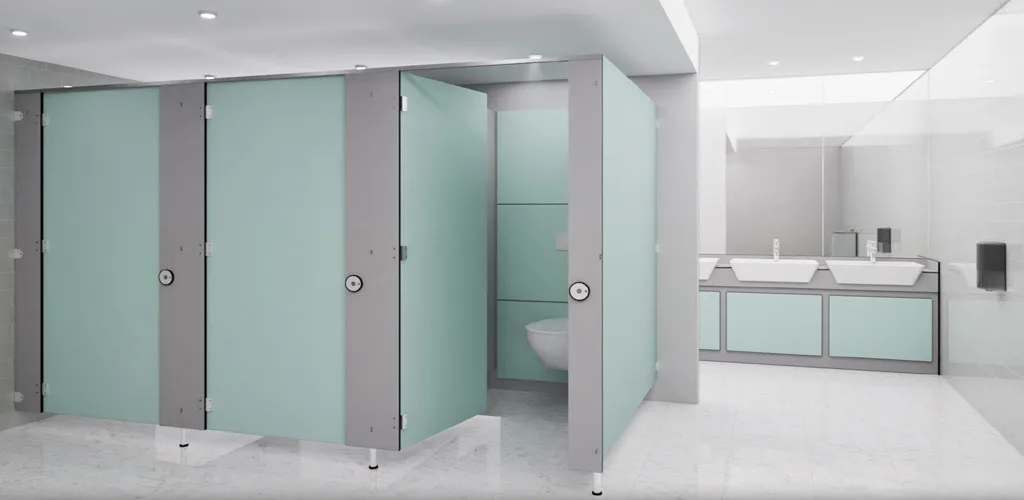
Choosing the right supplier is one of the most important steps in planning a commercial washroom. The cubicles must look professional, provide privacy, withstand regular use and remain easy to maintain. A poor choice can lead to damaged panels, difficult repairs and higher costs over time.
With many suppliers available, it can be hard to know where to start. A clear checklist makes the process easier. It helps you compare products, assess quality and choose a supplier that can meet the needs of your building.
Whether you are refurbishing an existing washroom or fitting out a new facility, the following points can help you make a confident decision.
1. Check the Supplier's Experience
Start by looking at the supplier's experience in the industry. An established supplier is more likely to understand the practical demands of commercial washrooms. They should be familiar with different building types, layouts, materials and installation requirements.
Look at how long the company has been operating and what types of projects it supports. Experience is especially important for busy environments where washroom cubicles are used many times each day.
A knowledgeable supplier should also be able to answer questions about product suitability, maintenance and installation. They should not simply sell a product. They should help you choose an appropriate solution.
2. Review the Range of Products
A good supplier should offer a suitable choice of cubicle styles, materials, colours and finishes. This gives you greater flexibility when designing the washroom.
When comparing washroom cubicles in UK, consider whether the supplier can provide products for your particular environment. A school may need a different solution from a hotel, office, leisure centre or public building.
Check whether the range includes different panel materials, door options, privacy arrangements, fittings and accessories. A broad product range can also make it easier to maintain a consistent design across several washrooms.
3. Investigate the Manufacturer
It is useful to understand who actually makes the products. Some suppliers manufacture their own cubicles, while others source products from manufacturers.
When reviewing washroom cubicle manufacturers in UK, look at their production standards, materials and reputation. Ask about manufacturing processes and quality control where appropriate.
A reliable manufacturer should focus on consistent construction and dependable materials. This can have a direct impact on the lifespan of the cubicles.
You should also check whether replacement components are available. Even a high-quality cubicle may eventually need a new hinge, lock, indicator or other component.
4. Compare Materials Carefully
Material selection is one of the most important decisions when buying washroom cubicles. Different materials offer different levels of durability, moisture resistance, appearance and maintenance.
Ask the supplier to explain which materials are suitable for your environment. High-traffic washrooms may require particularly robust solutions. Areas exposed to high levels of moisture may also need carefully selected materials.
Do not choose a material based on appearance alone. Consider how it will perform after months and years of regular use.
The best washroom cubicle manufacturers should be able to explain the benefits and limitations of each material. This allows you to make a decision based on practical requirements rather than marketing claims.
5. Assess Durability
Commercial washrooms can experience heavy daily use. Doors are opened and closed repeatedly. Panels may be exposed to moisture, cleaning products and accidental impact.
For this reason, durability should be a key part of your checklist.
Ask about panel strength, edge protection, hinges, locks, brackets and other hardware. These small details can affect the overall performance of the installation.
A supplier should be able to explain how its products are designed for regular use. It is also worth asking about expected maintenance and the availability of replacement parts.
6. Check Hygiene and Cleaning Requirements
Modern washrooms must be easy to keep clean. Surfaces that are difficult to maintain can increase cleaning time and ongoing costs.
Ask how the cubicle surfaces should be cleaned and which cleaning products are suitable. The design should allow cleaning staff to reach important areas without unnecessary difficulty.
Consider details such as floor clearance, fittings and surface finishes. Good design can make routine cleaning faster and more effective.
The supplier should also provide clear care guidance. This helps cleaning teams protect the finish and avoid damage caused by unsuitable cleaning products.
7. Consider Privacy and Accessibility
Privacy is essential in every commercial washroom. Check the design of doors, partitions and gaps before making your final choice.
Think about how much privacy is appropriate for the building and its users. Different environments may have different expectations.
Accessibility is equally important. If the project includes accessible washroom facilities, make sure the supplier can provide suitable layouts and products.
Discuss the requirements at the planning stage. This can prevent costly changes later.
8. Ask About Bespoke Options
Not every building has a simple or standard layout. Columns, unusual room shapes and existing plumbing can create design challenges.
Ask whether the supplier can provide bespoke or made-to-measure solutions. This can be particularly useful when renovating an older building.
A supplier that offers flexible manufacturing can help make better use of the available space. It may also help create a more practical layout without compromising privacy or appearance.
Before ordering, provide accurate measurements and discuss any site restrictions. Good communication at this stage can reduce installation problems.
9. Compare Prices and Overall Value
Price is important, but the cheapest option is not always the best choice.
When comparing suppliers, look beyond the initial purchase price. Consider product quality, expected lifespan, maintenance, replacement parts, delivery and installation requirements.
A lower-cost product may become more expensive if it needs frequent repairs or replacement. A durable product may offer better value over many years.
Ask suppliers to provide clear quotations. Make sure you understand what is included and whether additional costs may apply.
A transparent quotation makes it easier to compare different suppliers fairly.
10. Check Delivery and Lead Times
Delivery can affect the entire project schedule. Delays may hold up other trades and extend the refurbishment period.
Ask about expected lead times before placing an order. Confirm whether products are manufactured to order and how long production normally takes.
You should also discuss delivery arrangements. Check whether the supplier can deliver to your location and whether there are any access requirements.
For larger projects, reliable communication is especially important. You should know when the products are expected to arrive and who to contact if there is a problem.
11. Look at Customer Support
Good customer service should continue after you place an order.
Ask how the supplier handles questions, product issues and replacement parts. A dependable supplier should be easy to contact when support is required.
Check whether installation guidance and maintenance information are provided. If installation services are available, ask what they include.
This is an area where established businesses such as Washroom Cubicles Direct Ltd can provide useful guidance throughout the purchasing process.
12. Read Reviews and Assess Reputation
Customer reviews can provide useful insight into a supplier's reliability. Look for comments about product quality, communication, delivery and after-sales service.
Do not focus only on the overall rating. Read individual reviews to understand what customers liked and where they experienced difficulties.
You can also look at completed projects and case studies. These may help you understand the type and scale of work the supplier has handled.
A strong reputation does not guarantee that a supplier is right for every project, but it can provide an important indication of reliability.
13. Ask the Right Questions Before Ordering
Before making a final decision, prepare a short list of questions. Ask about:
- Product materials and finishes
- Expected durability
- Available colours and designs
- Bespoke dimensions
- Hardware and fittings
- Cleaning requirements
- Replacement components
- Delivery times
- Installation
- Warranty or product support
- Total project cost
A professional supplier should be willing to answer these questions clearly. If answers are vague or difficult to obtain, consider this a warning sign.
14. Think About Long-Term Performance
Your decision should not be based only on how the cubicles look on installation day.
Think about how they will perform after one, five or ten years. Will the finish remain attractive? Will the hardware continue to work correctly? Will replacement components be available?
Long-term performance is particularly important for commercial buildings where replacing washroom cubicles can cause disruption.
Choosing quality products from reputable washroom cubicle manufacturers in the UK can help reduce these risks and support better long-term value.
Conclusion
Choosing the right supplier becomes much easier when you follow a clear checklist. Start by checking experience and product quality. Then assess materials, durability, hygiene, privacy, accessibility and bespoke options.
Price should be considered alongside long-term value. Delivery, customer service and replacement support also deserve attention.
Most importantly, choose a supplier that understands your project rather than simply offering a standard product. By comparing washroom cubicles suppliers UK carefully and asking the right questions, you can create a washroom that is practical, durable and professional.
A considered choice today can help reduce maintenance issues and unnecessary costs in the future. Whether you are planning a small refurbishment or a large commercial development, taking time to assess your supplier is a worthwhile investment.