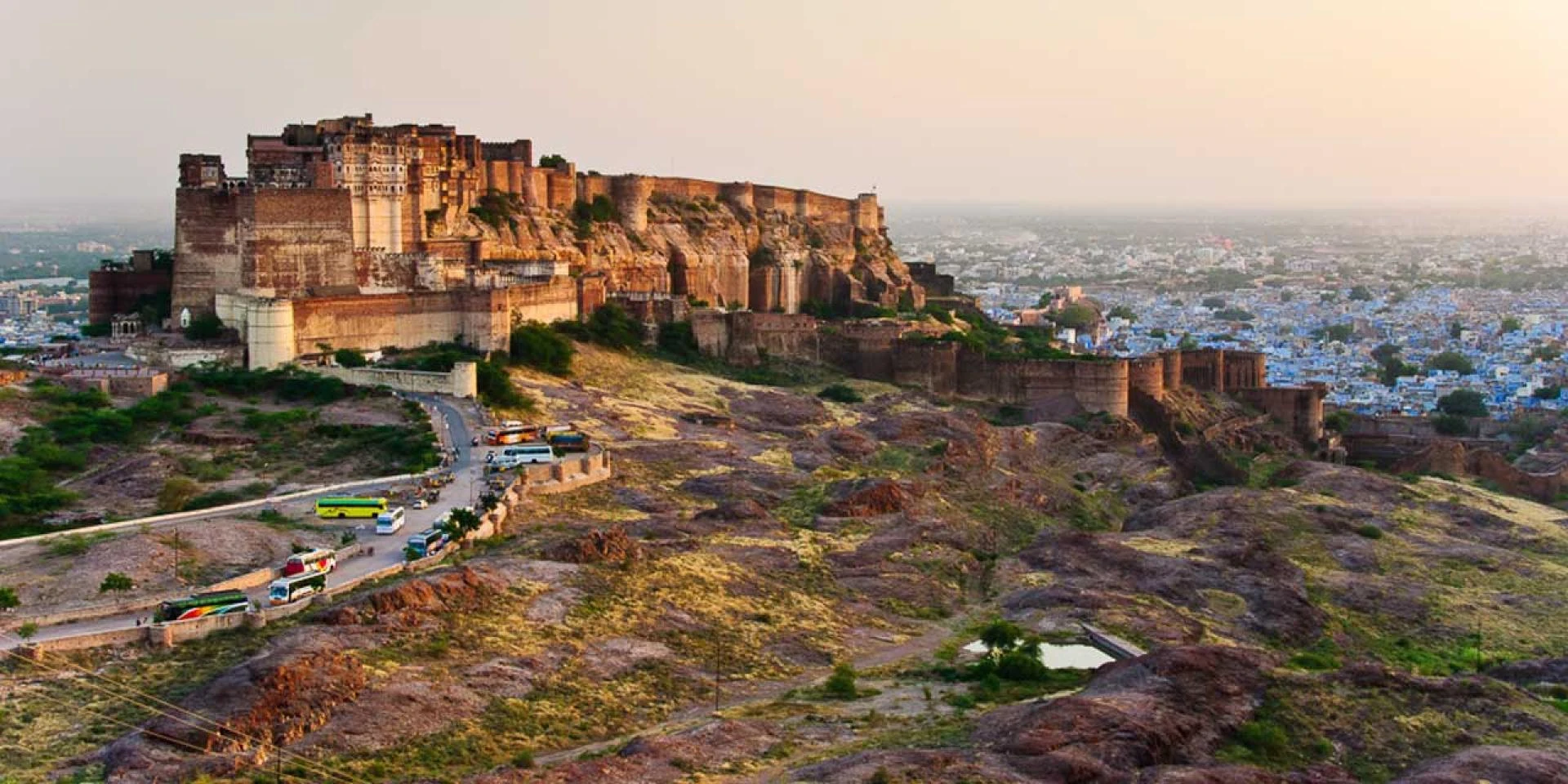
When you stand at the foot of the massive sandstone cliffs in Jodhpur, the sheer scale of the citadel above feels almost otherworldly. Known as the "Citadel of the Sun," this fortress isn’t just a monument; it is the beating heart of the Blue City’s history. For travelers navigating the desert landscapes of Rajasthan, securing a reliable Jaisalmer cab service is often the first step toward a seamless transition from the golden dunes to the blue-hued alleys of Jodhpur. As a local guide would tell you, the fort is best experienced not just by looking at its walls, but by understanding the stories etched into them.
The Legend and Legacy of Rao Jodha
The history of the fort begins in 1459 when Rao Jodha, the 15th Rathore ruler, decided to move his capital from Mandore to this strategic hilltop. The hill was known as Bhakurcheeria, the "Mountain of Birds." Legend says that to build the fort, Rao Jodha had to displace a hermit named Cheeria Nathji. The hermit, angered by the intrusion, cursed the kingdom with a scarcity of water—a struggle that persists in the arid regions of Rajasthan to this day. To appease the gods and ensure the fort’s longevity, a man named Raja Ram Meghwal voluntarily allowed himself to be buried alive in the foundations. This blend of sacrifice and grit is what defines the spirit of the Rathore clan. When you walk through the massive gates today, you aren't just walking into a tourist site; you are walking into a legacy of defiance and architectural brilliance.
Navigating the Seven Gates of Victory
Entering the fort is a journey through time, marked by seven distinct gates, or "pols." The most famous is the Jay Pol, built by Maharaja Man Singh to celebrate his victories over the armies of Jaipur and Bikaner. As you ascend, look closely at the Loh Pol (Iron Gate). Here, you will find the haunting handprints of the royal widows who committed sati in the 19th century. These small, red-smeared prints serve as a somber reminder of the fort's complex social history. For those on a comprehensive Jodhpur sightseeing tour, spending extra time at these gates allows for a deeper appreciation of the defensive ingenuity that kept this fort unconquered for centuries. The steep, winding paths were designed specifically to prevent enemy elephants from gaining enough momentum to ram the gates, a tactical detail that local guides love to point out.
The Splendor of the Royal Palaces
Once inside the main complex, the rugged exterior gives way to delicate lace-like carvings in red sandstone. The palaces within the fort, such as Moti Mahal (Pearl Palace), Phool Mahal (Flower Palace), and Sheesh Mahal (Mirror Palace), showcase the peak of Rajputana craftsmanship. Moti Mahal, with its five hidden alcoves for the Maharaja’s queens to listen to court proceedings, highlights the blend of administrative power and private royal life. The Phool Mahal, adorned with gold filigree and vibrant paintings, was the private chamber of pleasure for the rulers. These rooms are so well-preserved that you can almost hear the rustle of silk and the echoes of royal festivities. The museum within the fort is equally impressive, housing one of the most well-documented collections of palanquins, royal cradles, and armory in India.
A Local’s Secret: Best Viewpoints and Photography
While most tourists stick to the museum route, a local’s perspective takes you to the edges of the ramparts. The view from the top offers a panoramic vista of the "Brahmin Blue" houses that give Jodhpur its nickname. If you visit during the late afternoon, the setting sun hits the blue walls, creating a glow that is impossible to replicate elsewhere. For the best photography, head toward the Chamunda Mataji Temple located at the southern tip of the fort. This temple is a place of deep spiritual significance for the locals and offers a vantage point that encompasses both the fort’s architecture and the sprawling city below. Understanding the Mehrangarh Fort Jodhpur layout helps you find these quiet corners where the wind whistles through the battlements, offering a moment of peace away from the crowds.
Practical Tips for the Modern Explorer
Visiting a monument of this scale requires a bit of planning to avoid the heat and the crowds. It is highly recommended to arrive as soon as the gates open at 9:00 AM. This allows you to explore the open courtyards before the Rajasthan sun reaches its peak. Comfortable footwear is non-negotiable, as the paths are steep and paved with uneven stones. If you are traveling from nearby cities, booking a dedicated vehicle ensures you aren't rushed and can explore at your own pace. Many travelers find that having a dedicated driver who knows the local shortcuts and the best parking spots near the old city entrance saves hours of frustration.
Beyond the Walls: The Rao Jodha Desert Rock Park
Just outside the fort lies the Rao Jodha Desert Rock Park, a project dedicated to restoring the natural ecology of the rocky wasteland. For nature lovers, this is a must-visit. The walking trails through the volcanic rock formations offer a different view of the fort’s towering walls and allow you to see the local flora that has adapted to this harsh environment. It provides a stark, beautiful contrast to the manicured luxury of the palaces inside. Walking these trails gives you a sense of why this specific location was chosen for a stronghold—it is naturally formidable and perfectly integrated into the landscape.
Immersing Yourself in Jodhpur’s Culture
To truly appreciate the fort, one must also engage with the city it protects. After your descent, wander into the Stepwell Square (Toorji Ka Jhalra) or the Sardar Market near the Clock Tower. The relationship between the fort and the market is centuries old; the fort provided protection, while the city provided the vibrant trade that made the kingdom wealthy. Sampling local delicacies like Mawa Kachori or Mirchi Bada in the shadow of the fort is the perfect way to conclude your day. Jodhpur is a city that demands your time and curiosity, and starting that journey at the heights of Mehrangarh is the only way to truly understand the soul of Marwar.