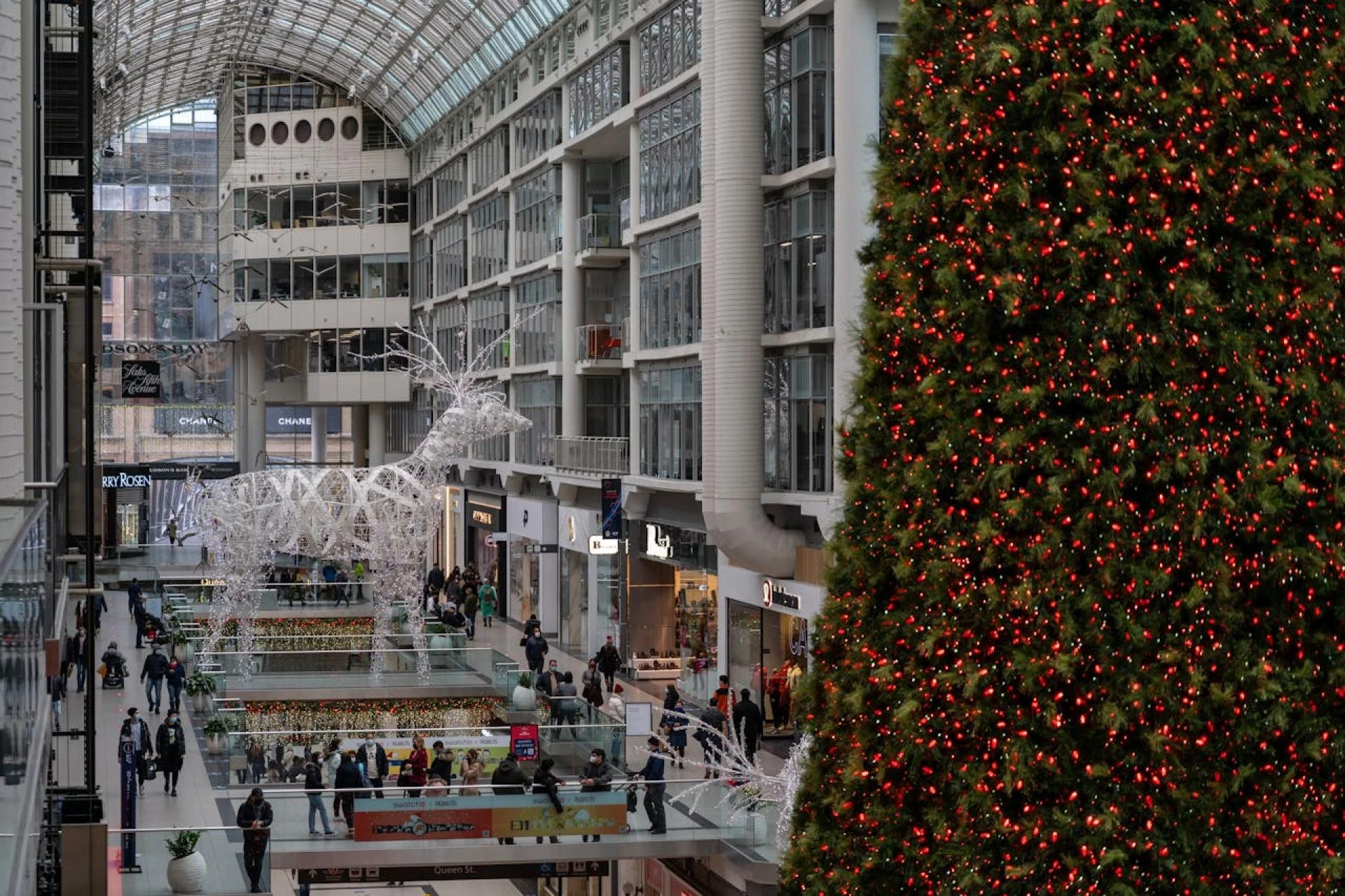
For large retail stores or shopping malls, the challenges associated with HVAC design are specific. The vast floor space, varying human traffic, different store configurations, and comfort needs of shoppers create the challenge of designing an effective HVAC system. The design of the HVAC system for such stores is of primary importance, not just for the comfort of shoppers, but also for the achievement of energy efficiency and cost control.
Understanding the Complexity of Retail Environments
As opposed to residential areas or commercial establishments, malls have different areas such as anchor stores, food courts, corridors, cinemas, etc., each with different cooling requirements. Peak loads can vary significantly throughout the day and across seasons. The planning of HVAC in such areas should be done in a way that the indoor comfort levels are consistent.
The Importance of Zoning and Flexibility
Zoning is one of the most critical factors in retail HVAC design. Different areas often require independent temperature control to avoid overcooling or overheating. Systems that allow individual zones to operate based on occupancy and usage provide greater flexibility and energy savings. This is where advanced indoor solutions such as vrf indoor units become relevant, as they support precise zoning and adaptable control without compromising overall system performance.
Balancing Energy Efficiency with Performance
Energy consumption is a key concern that affects the operating costs of the mall since the operating hours are extended. This can be managed well with the adoption of efficient HVAC equipment, which can help save on energy costs in the future. Smart load management, inverter-driven compressors, and smart controls help ensure that energy is used only where and when needed. With the adoption of the latest technologies in the indoor environment, retailers can achieve comfort while aligning with the green building codes.
Designing for Aesthetics and Space Optimization
Retail spaces prioritize visual appeal, and HVAC systems must blend seamlessly into interior designs. Bulky equipment or visible ducting can disrupt store layouts and customer experience. Compact and versatile indoor installations allow designers to maintain clean aesthetics by delivering effective cooling. Properly planned indoor components, including vrf indoor units, can be integrated discreetly into ceilings or concealed spaces, preserving the overall look and feel of the mall.
Planning for Noise Control and Customer Comfort
Noise levels are usually overlooked during HVAC planning, but are crucial in retail environments. Excessive noise can affect customer dwell time and overall experience. Quiet indoor operation is especially important in premium retail zones, restaurants, and entertainment areas. Choosing systems designed for low-noise performance ensures a calm and pleasant shopping atmosphere.
Scalability and Future Expansion
Retail developments often evolve, with new stores, renovations, or layout changes. HVAC systems should be scalable enough to accommodate future expansion without major redesigns. Modular indoor solutions allow operators to add or modify zones as needed, ensuring long-term adaptability and cost efficiency.
Conclusion
Effective HVAC planning for large retail and mall spaces requires a careful balance of comfort, efficiency, aesthetics, and flexibility. By focusing on zoning, energy performance, noise control, and future scalability, mall developers and facility managers can create environments that enhance both customer experience and operational efficiency. A strategic approach to indoor system selection plays a vital role in achieving these goals and supporting the long-term success of retail spaces.