
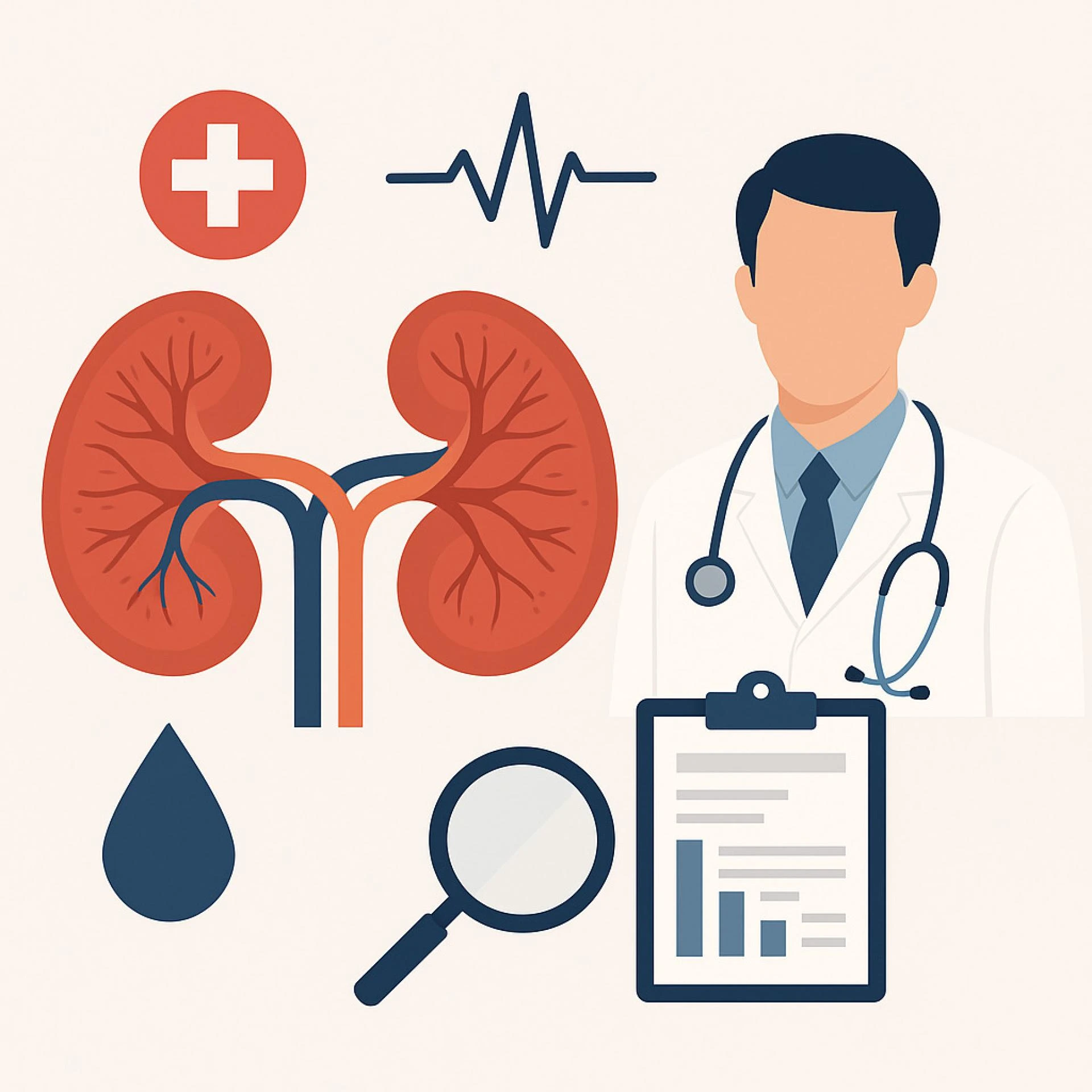
If you are looking for a kidney specialist in Delhi, understanding the stages of Chronic Kidney Disease (CKD) and how it is diagnosed is essential. CKD is a silent health threat that can go unnoticed until it becomes serious. Early diagnosis and timely intervention by an expert nephrologist can make a major difference. In this article, we’ll explore the five stages of CKD, how they are diagnosed, and why consulting a kidney specialist early on is crucial for better kidney health.
Understanding CKD and Its Importance
Chronic Kidney Disease refers to the gradual loss of kidney function over time. Healthy kidneys filter waste and extra fluids from your blood, but when damaged, they fail to perform these critical functions properly. Often, CKD symptoms are subtle in the early stages, which makes regular health checkups even more important, especially for those with risk factors like diabetes, high blood pressure, or a family history of kidney problems.
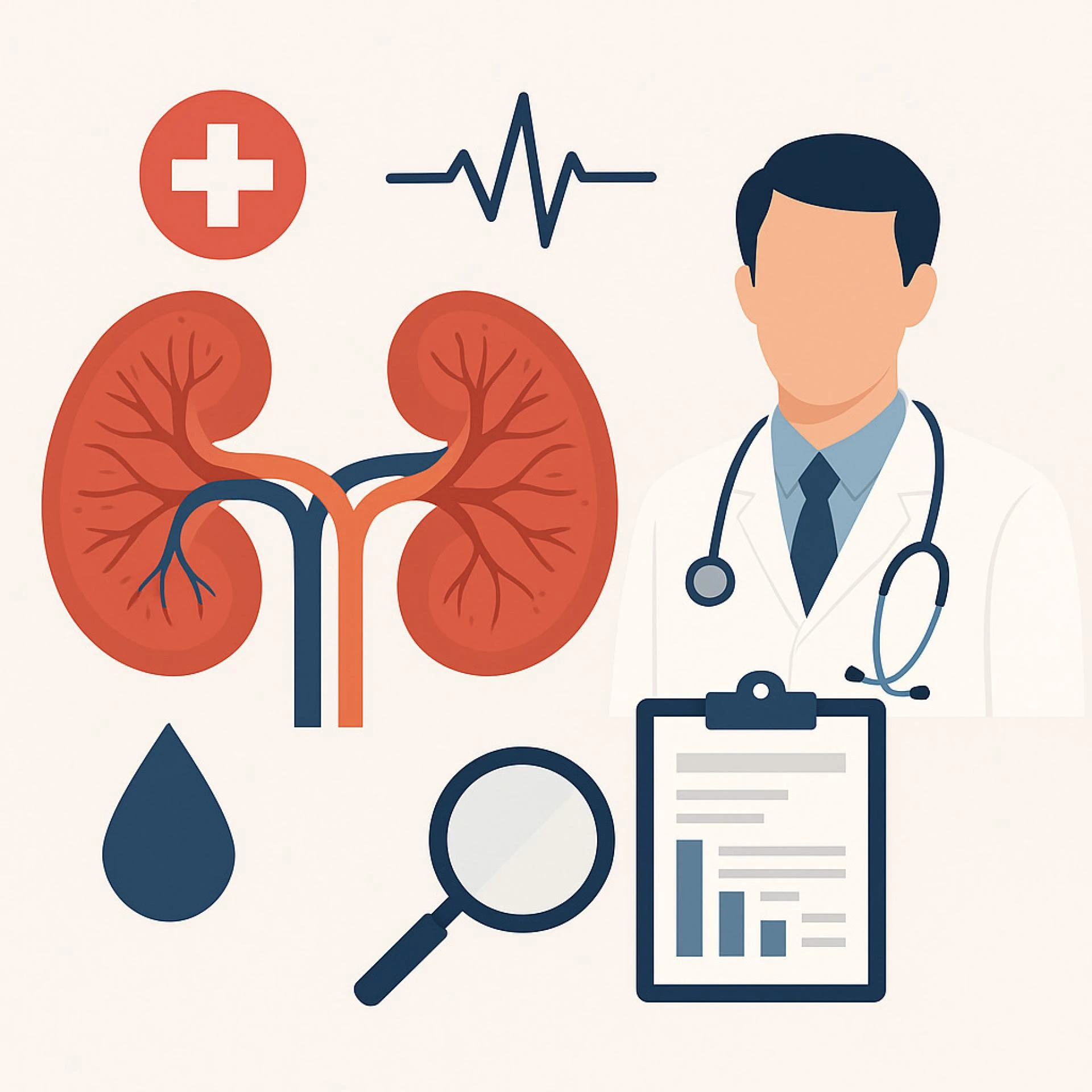
What Are the Stages of CKD?
CKD is classified into five distinct stages, depending on the glomerular filtration rate (GFR):
Stage 1: Kidney Damage with Normal or High GFR (≥90 ml/min)
- Kidneys appear healthy but show signs of early damage (e.g., protein in urine).
- No visible symptoms, but risks start to build.
Stage 2: Mild Reduction in GFR (60–89 ml/min)
- Slight loss of kidney function.
- May experience mild fatigue or swelling.
Stage 3: Moderate Reduction in GFR (30–59 ml/min)
- More significant kidney function loss.
- Symptoms like back pain, swelling, and frequent urination become more noticeable.
Stage 4: Severe Reduction in GFR (15–29 ml/min)
- Kidney function is critically low.
- Patients often prepare for dialysis or a transplant.
Stage 5: Kidney Failure (GFR <15 ml/min)
- Complete kidney failure, requiring dialysis or a kidney transplant to survive.
How Is CKD Diagnosed?
Doctors use a combination of tests to diagnose CKD:
- Blood Tests: Measure creatinine levels and calculate GFR.
- Urine Tests: Check for protein (albumin) or blood.
- Imaging Tests: Ultrasound or CT scan to assess kidney structure.
- Kidney Biopsy: In selected cases, a tissue sample is analyzed to find the cause of kidney damage.
Risk factors like hypertension, diabetes, obesity, and heart disease are also carefully reviewed.
Conclusion
If you are facing kidney-related symptoms or belong to a high-risk group, consulting a kidney specialist in Delhi at the earliest can help in early detection and better management of Chronic Kidney Disease. Early intervention not only slows disease progression but also significantly improves quality of life. Don't wait for symptoms to worsen — proactive care is the best care!
Would you also like a catchy meta description and SEO tags for this blog? 🚀
It’ll help if you're planning to post it online!