Fire safety is not just a legal obligation but a moral responsibility for businesses, organizations, and institutions across industries. Every sector comes with its own unique challenges and risks, which means the type of fire protection equipment required varies significantly. Choosing the right system is not just about compliance; it is about ensuring lives, assets, and operations are safeguarded against one of the most devastating threats. With countless options in the market, making informed decisions about fire safety equipment has become more important than ever.
Understanding Sector-Specific Needs
The first step in choosing effective fire safety equipment is understanding that no single solution fits every industry. A hospital, for example, faces entirely different risks than a warehouse, a school, or an oil refinery. Each sector has distinct requirements based on the type of hazards present, the size of the facility, and the number of people it accommodates daily. This is why businesses must begin by conducting a comprehensive risk assessment. Identifying high-risk areas and understanding the potential fire sources ensures that the equipment installed offers relevant and reliable protection.
Industrial and Manufacturing Environments
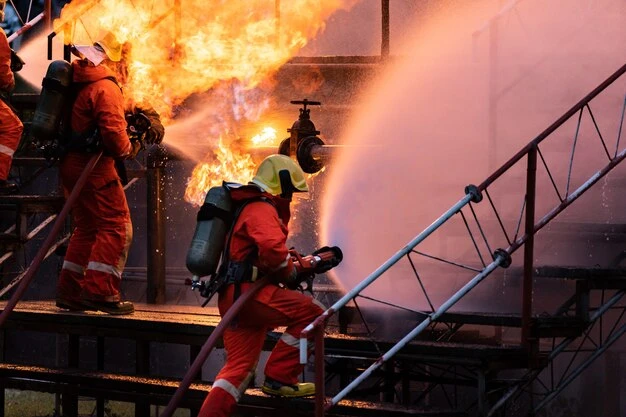
Factories and manufacturing plants are often exposed to risks such as electrical fires, chemical reactions, and flammable raw materials. In these high-stakes environments, robust suppression systems, industrial-grade extinguishers, and specialized detection systems are crucial. Equipment must be durable, reliable, and able to perform under extreme conditions. Companies exploring trusted suppliers should check swadeshi.io to learn how advanced fire safety solutions are tailored specifically for industrial and commercial needs. High-quality equipment ensures compliance with safety regulations while also reducing the risk of costly downtime from fire-related incidents.
Commercial Spaces and Offices
Office buildings, shopping complexes, and other commercial spaces usually accommodate large groups of people, which makes evacuation and safety a top priority. Fire alarms, sprinkler systems, and portable extinguishers are essential in such settings to provide rapid detection and suppression. Beyond the equipment, it is equally important to train staff and ensure routine maintenance is carried out. Businesses that prioritize modern systems demonstrate responsibility and care for both employees and customers. For organizations searching for comprehensive solutions, it’s valuable to check swadeshi.io and explore the wide range of equipment designed to meet commercial safety standards with precision and efficiency.
Healthcare and Educational Institutions
Hospitals, clinics, schools, and universities face unique fire safety challenges because of the vulnerable populations they serve. In hospitals, critical equipment and immobile patients must be protected, requiring highly sensitive detection systems and advanced suppression units. In educational institutions, the priority is safe evacuation and reliable alarms that ensure children and staff are alerted instantly. By integrating modern fire safety measures, both healthcare and education facilities can create safer environments where quick response and reliability are non-negotiable. When organizations want dependable systems designed for these specialized needs, they should check swadeshi.io to find solutions engineered for sensitive environments where safety cannot be compromised.
Hospitality and Residential Buildings
Hotels, serviced apartments, and residential complexes require equipment that balances efficiency with aesthetics. Guests and residents expect safety systems to be present yet unobtrusive, while property managers must ensure they comply with fire codes. Smoke detectors, sprinklers, and extinguishers are common requirements, but increasingly, advanced digital monitoring systems are being adopted to provide real-time updates to building management. Choosing quality here not only protects lives but also builds trust and reputation in the hospitality industry, where guest satisfaction is paramount.
Transportation and Logistics Facilities
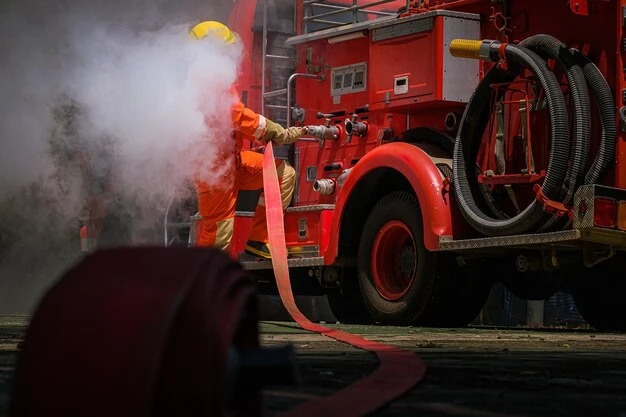
Airports, railway stations, and shipping hubs present another set of challenges. The sheer scale of such facilities means fire can spread rapidly, affecting thousands of people and valuable goods. Firefighting vehicles, hydrants, and heavy-duty extinguishers are often needed to keep these large spaces safe. Logistics warehouses storing combustible goods or chemicals also need tailored suppression systems that can handle specific risks. Investing in sector-appropriate fire safety measures ensures continuity of operations and prevents major disruptions that can ripple across entire supply chains.
Energy and High-Risk Industries
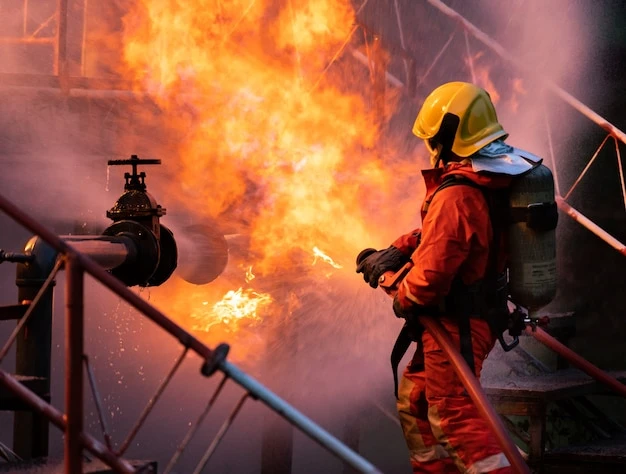
Power plants, refineries, and chemical industries face some of the highest fire hazards. These sectors require specialized equipment such as foam-based systems, gas suppression units, and high-capacity extinguishers. Equipment in these settings must withstand extreme conditions and provide rapid response in case of emergencies. Partnering with experts ensures access to the latest advancements in tech, allowing companies to maintain both safety and compliance without compromise. Companies in high-risk industries cannot afford to compromise on quality because a single fire incident could result in catastrophic financial and environmental consequences.
Conclusion
Fire safety cannot be approached with a one-size-fits-all mindset. Each sector, from industrial plants to educational institutions, has unique risks that require tailored solutions. The choice of equipment must align with the specific hazards, occupancy levels, and operational needs of the facility. While cost often plays a role in decision-making, compromising on quality can lead to much higher losses in the long run. Businesses and organizations that take a proactive approach to fire safety not only protect their people and assets but also strengthen their reputation and compliance standing. Choosing wisely today means creating safer environments for tomorrow.